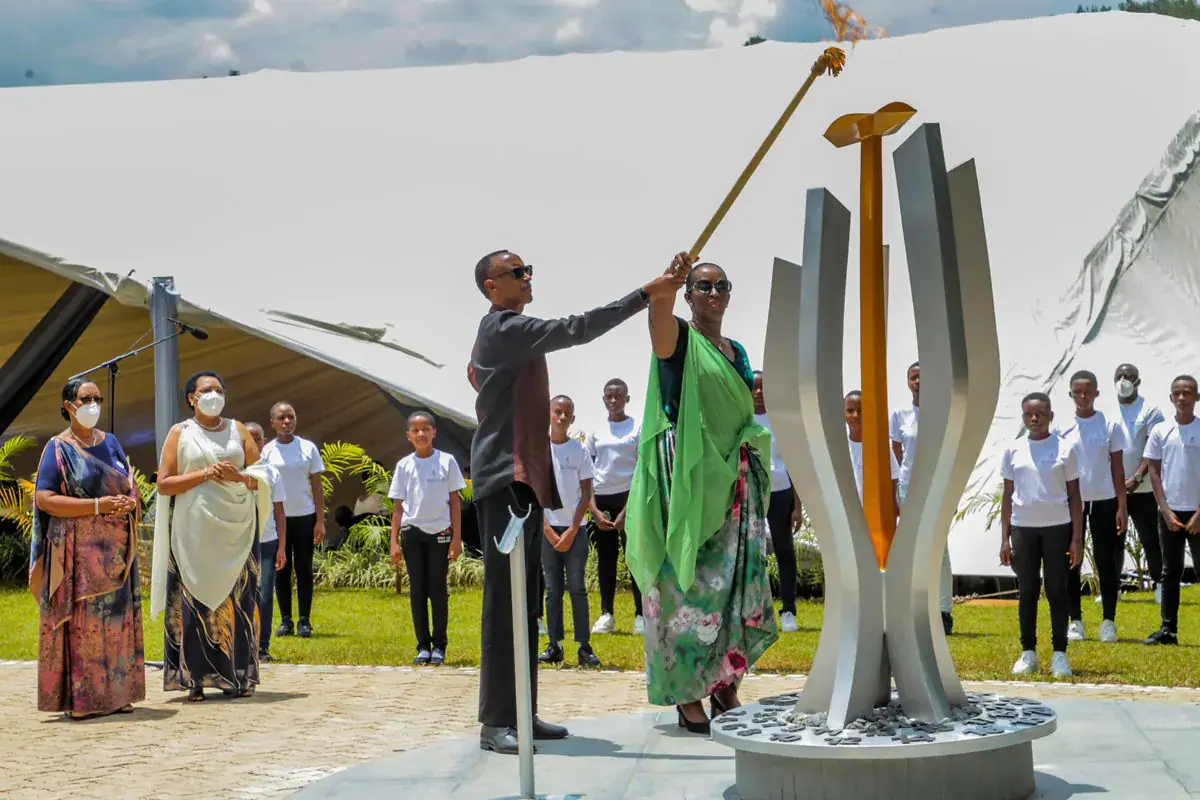
Rwandans recently commemorated the 29th anniversary of the Genocide Against the Tutsi, a tragic event that claimed over a million lives. For survivors and witnesses, the memories of 29 years ago remain vivid. The Rwandan government and citizens alike stress the importance of preserving the history of the genocide to prevent distortion and denial. This effort is crucial in educating the younger generation, who did not experience the horrors firsthand, about the significance of this dark period in Rwandan history.
The Rwandan government has initiated innovative ways to share information about the Genocide, including social media campaigns targeting young people. However, more needs to be done to ensure that the history of the genocide is accurately preserved and passed on to future generations. One proposed solution is the development of a compulsory curriculum for students of all levels to study the genocide. This would encourage a deeper understanding of the events and their significance.
Providing research grants to academic institutions to study the genocide as a subject is another strategy being considered. This would motivate schools to engage in research and education on the topic, promoting a culture of remembrance and understanding. By involving young people in genocide commemoration activities, they can build commitment and strengthen action in favor of preserving Rwanda's history.
The digital sphere offers numerous opportunities for young people to engage with their history and share their experiences. Social media, in particular, provides a platform for the broad-based dissemination of facts about the Genocide. By leveraging these digital tools, young Rwandans can play an active role in preserving the country's history and promoting awareness about the genocide.
It is essential to create an environment that encourages dialogue and exploration of the genocide, rather than simply presenting facts. By allowing young people to discover how the Genocide Against the Tutsi was planned and executed independently, they can develop a deeper understanding of the events. This approach can help to foster a sense of responsibility and ownership among young Rwandans in preserving their country's history.
Unless people take it upon themselves to recognize and learn about the Genocide Against the Tutsi, history will continue to be distorted, and deniers will continue to spread false information. Protecting Rwanda's history should be a collective effort, with an interconnected approach among all age groups. Engaging young people is crucial to the sustainability of these efforts and ensuring that the history of the genocide is preserved for future generations.
The efforts employed today to preserve the memories of the Genocide Against the Tutsi will benefit not only the present generation but also generations to come. By working together to educate young people and promote awareness about the genocide, Rwandans can ensure that the history of this tragic event is accurately preserved and respected.
Key points
- The Rwandan government is working to develop a compulsory curriculum for students to study the Genocide Against the Tutsi.
- Social media campaigns are being used to target young people and promote awareness about the genocide.
- Engaging young people in genocide commemoration activities is crucial to preserving Rwanda's history and promoting a culture of remembrance.