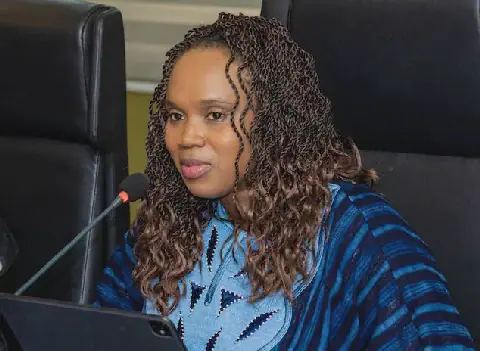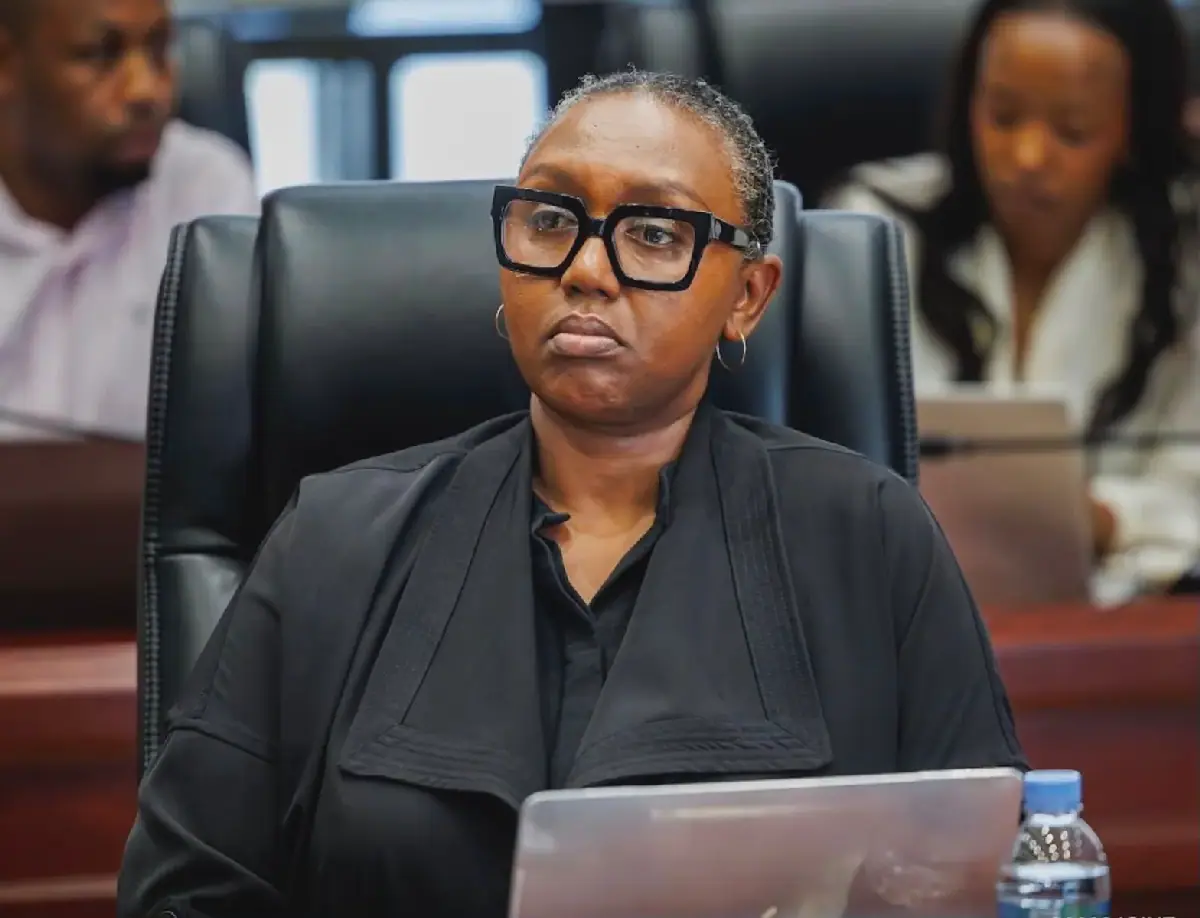
The government of Rwanda has accused the leadership of the Democratic Republic of Congo (DRC) of backing the Forces Démocratiques de Libération du Rwanda (FDLR) militia, which Rwanda says is a threat to its security. According to Yolande Makolo, a government spokesperson, DRC leaders are touring the world, spreading hate speech against Rwanda, and will not bring peace to the region. Makolo made these remarks in response to comments by DRC Foreign Minister Thérèse Kayikwamba Wagner.
Wagner had dismissed criticism of DRC's role in regional security issues, including its alleged support for the FDLR militia. The FDLR is blamed for perpetuating genocide ideology in the DRC and threatening regional stability. US Ambassador to Guinea and Ethiopia, Tibor Nagy, had criticized US sanctions imposed on Rwanda's defense ministry and a local bank, saying they would not help resolve the conflict between Rwanda and the DRC.
Nagy argued that if the US wants to remain neutral, it should provide assistance to resolve the conflict, rather than imposing one-sided sanctions. Wagner responded, stating that the issue at hand cannot be compared to the thousands of people killed and millions displaced in eastern DRC. She questioned whether Nagy had considered the trauma and displacement caused by decades of conflict.
Makolo countered Wagner's remarks, saying they downplayed the brutality of FDLR's actions and the threat they pose to regional stability. The FDLR was formed by Hutu extremists responsible for the 1994 genocide against Tutsis in Rwanda, and has continued to commit atrocities in the DRC. Makolo accused the DRC government of supporting the FDLR, despite its commitments under the Washington agreement to disarm the group.
The US Office of Foreign Assets Control (OFAC) recently imposed sanctions on Rwanda's defense ministry and a local bank, accusing them of supporting the M23 rebel group in eastern DRC. The sanctions were announced amid ongoing concerns about regional stability and the DRC government's alleged ties to the FDLR. The conflict between Rwanda and the DRC has led to significant humanitarian and economic challenges.
The leaders of Rwanda and the DRC, Paul Kagame and Félix Antoine Tshisekedi Tshilombo, signed the Washington agreement on December 4, 2026, aimed at normalizing relations, addressing regional security concerns, and promoting economic cooperation. The agreement includes commitments to respect each other's sovereignty and territorial integrity, and to prevent activities that threaten regional stability.
The agreement also includes provisions for the disarmament of the FDLR and other armed groups, as well as cooperation on refugee repatriation and human rights. The implementation of the agreement will require close cooperation between the two countries and the international community. The situation remains complex, with ongoing concerns about regional stability and the humanitarian situation in eastern DRC.
Key points
- DRC leaders accused of backing FDLR militia
- Rwanda, DRC leaders trade accusations over FDLR presence
- US sanctions imposed on Rwanda's defense ministry and local bank