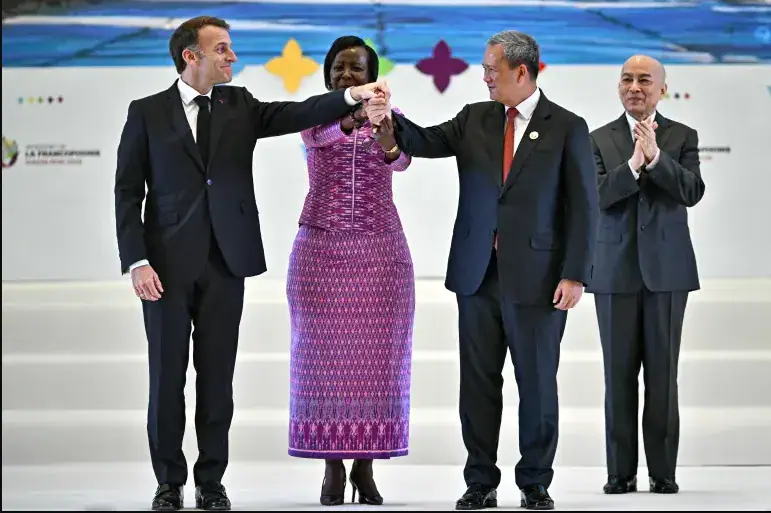
The OIF has been facing a leadership crisis after its member states failed to agree on a new secretary-general. Louise Mushikiwabo, the current secretary-general from Rwanda, will continue to lead the organization for another year. This decision was made during a meeting of OIF member states in Cambodia on November 16, 2026. The organization has 53 member states, but they were unable to reach a consensus on a new leader.
The OIF leadership crisis has exposed deeper divisions within the organization. Four candidates were vying for the top position, including Mushikiwabo, Dacian Cioloș from Romania, Coumba Bâ from Mauritania, and Juliana Lumumba from the Congo. The organization's member states were unable to reach a consensus, leading to the decision to extend Mushikiwabo's mandate for another year. This has sparked concerns about the organization's future and its ability to function effectively.
Rwanda has announced that it will not nominate a candidate for the OIF leadership position after Mushikiwabo's extended term ends. This decision has significant implications for the organization's future, as Rwanda has been a key player in the OIF. The country's decision may be related to disagreements with other member states, particularly France and the Democratic Republic of Congo.
Analysts say the OIF leadership crisis reflects deeper divisions within the organization. The organization's reliance on consensus-based decision-making has made it difficult to make progress on key issues. The crisis has also highlighted the challenges facing the OIF as it seeks to promote cooperation and understanding among its member states.
Aloys Mutabingwa, a Rwandan politician and analyst, says the OIF leadership crisis is a result of deeper divisions within the organization. He notes that the organization's decision-making process is often slow and cumbersome, which can make it difficult to address key issues. Mutabingwa also suggests that the crisis may have significant implications for the organization's future.
The OIF has been an important platform for Rwanda to engage with other countries and promote its interests. However, the current leadership crisis has raised questions about the organization's effectiveness and its ability to promote cooperation among its member states. Rwanda's decision not to nominate a candidate for the leadership position may be a sign of its growing frustration with the organization.
The OIF leadership crisis has significant implications for the organization's future. The organization's ability to promote cooperation and understanding among its member states will depend on its ability to address its internal divisions and find a new leader. The crisis has also highlighted the challenges facing international organizations as they seek to promote cooperation and understanding among their member states.
Key points
- Rwanda may leave the OIF due to a leadership crisis and disagreements over the organization's future.
Reporting sources
- U Rwanda rushobora kuva muri OIF rugakora ibindi - Aloys Mutabingwa · https://www.kigalitoday.com/