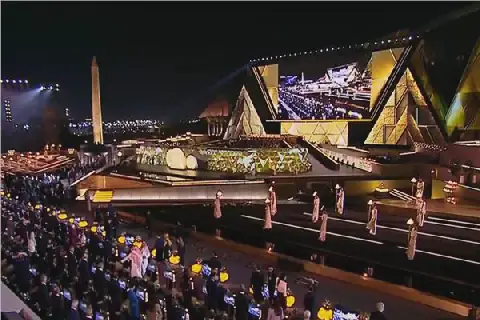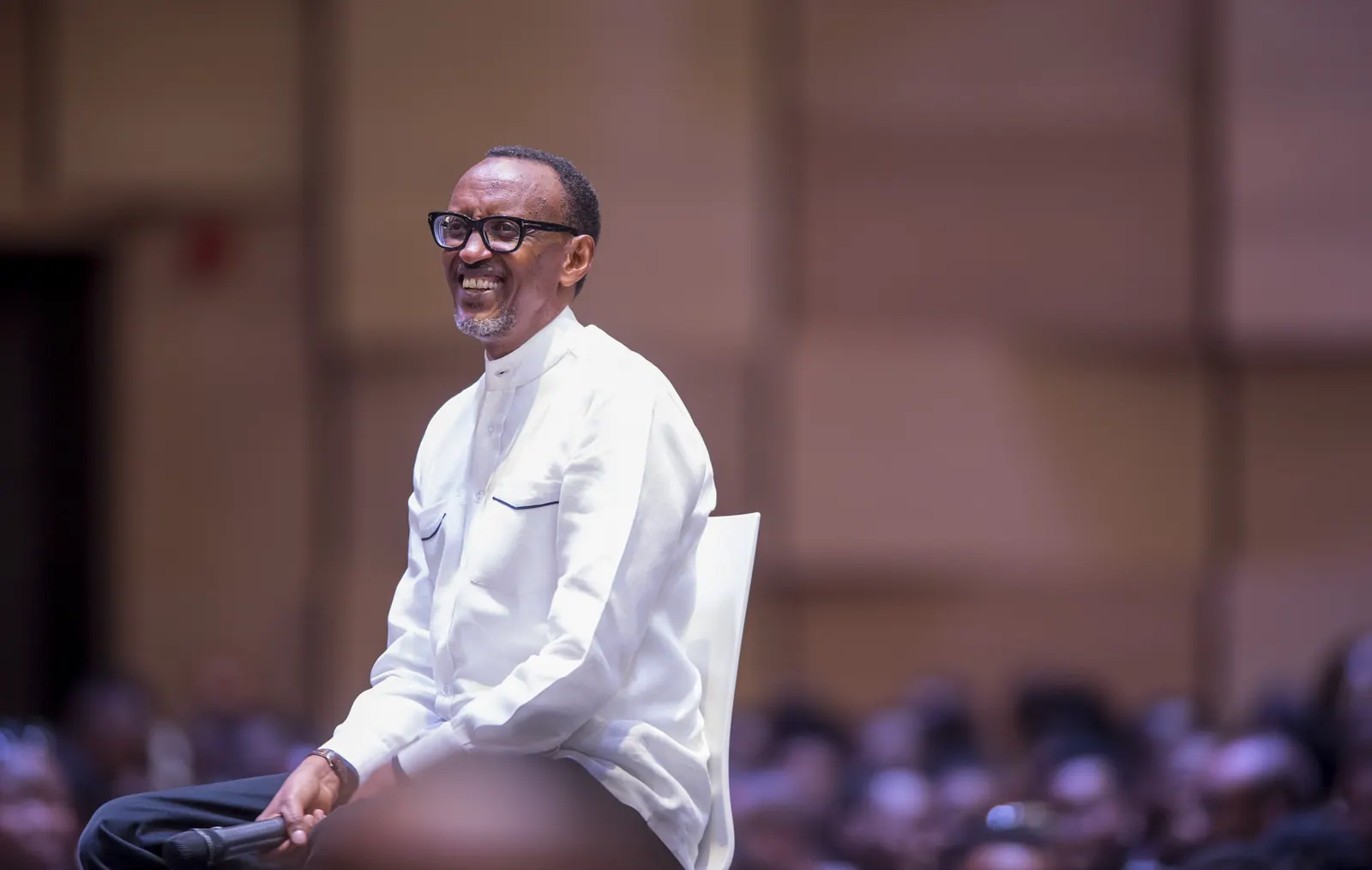
Rwandans gathered to celebrate President Paul Kagame's birthday on October 23, marking 69 years since he was born. The President has been credited with leading the country's remarkable transformation and promoting national unity. Kagame was born in 1957 and has been praised for his efforts to fight corruption, promote good governance, and drive economic growth. His leadership has earned Rwanda international recognition and admiration.
Those who knew Kagame in his youth described him as a driven and disciplined individual. One person who attended primary school with him in Uganda recalled that Kagame was always well-dressed and concerned about cleanliness. His upbringing by his parents, who valued education and social responsibility, played a significant role in shaping his values. Kagame's early life was marked by challenges, including living in refugee camps in Uganda.
Kagame's educational journey began at Rwengoro Primary School in Uganda, where he excelled academically. He later attended Ntare School, a prestigious secondary school in Uganda, where he continued to demonstrate his academic prowess. Those who knew him during this period attributed his success to his hard work and determination. Kagame's academic achievements earned him a spot at Ntare School, which was a significant accomplishment.
Kagame's family background played a significant role in shaping his values and worldview. His parents, Rutagambwa Rugambwa Deogratias and Asteria, were a devout Catholic family who valued education and social responsibility. His father was a coffee trader and one of the founders of the Trafipro cooperative in Rwanda. Kagame's family had royal connections, with his maternal grandmother being a queen in the Rwandan monarchy.
Kagame's early life was marked by significant challenges, including the outbreak of violence in Rwanda in the 1960s. His family was forced to flee to Uganda, where they faced difficulties adjusting to life as refugees. Kagame's father passed away when he was 15 years old, leaving his family to rely on aid from the United Nations High Commissioner for Refugees (UNHCR). Despite these challenges, Kagame remained committed to his education and personal development.
Kagame's leadership style and commitment to public service have earned him widespread recognition. Those who have worked with him described him as a humble and approachable leader who values dialogue and collaboration. His efforts to promote national unity and reconciliation have been particularly notable, given Rwanda's complex history. Kagame's birthday celebrations were marked by tributes from across the country.
As Rwanda continues to develop and grow, Kagame's legacy as a leader and a nation-builder is likely to endure. His commitment to education, healthcare, and economic development has improved the lives of millions of Rwandans. While challenges remain, Kagame's leadership has provided a foundation for Rwanda's future growth and prosperity. The country continues to look to him for guidance and inspiration.
Key points
- President Kagame's leadership has driven Rwanda's transformation and promoted national unity.
- Kagame's early life was marked by challenges, including living in refugee camps in Uganda.
- His commitment to education, healthcare, and economic development has improved the lives of millions of Rwandans.