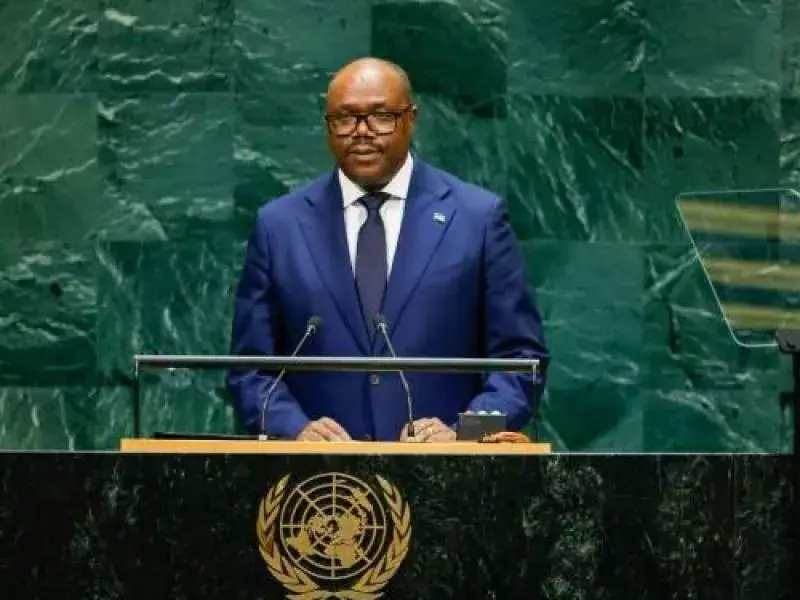
On September 25, 2026, Rwandan Prime Minister Dr. Justin Nsengiyumva addressed the 81st session of the United Nations General Assembly in New York, USA. He spoke on behalf of President Paul Kagame, focusing on the security situation in the eastern Democratic Republic of Congo (DRC). The region has been plagued by the M23 rebellion, supported by Rwanda, which has occupied large areas of North Kivu and South Kivu provinces.
Nsengiyumva highlighted the issue of the Forces démocratiques de libération du Rwanda (FDLR), a group that Rwanda considers a threat to its security. He accused the FDLR of collaborating with the DRC's armed forces (FARDC) and their allies in the east. According to Nsengiyumva, the FDLR has propagated genocidal ideology, committed atrocities, and directly threatened Rwanda's security with cross-border attacks.
The Prime Minister emphasized that the roots of the crisis in the DRC are primarily political, stemming from long-standing grievances, exclusion, and governance failures. He advocated for a political solution to the conflict, stating that it cannot be resolved overnight. Nsengiyumva called for the international community to consider these underlying factors when searching for a solution.
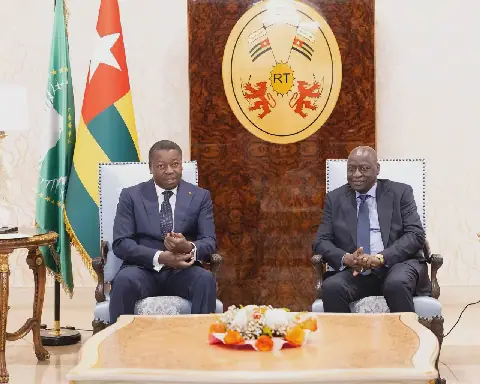
Rwanda supports ongoing diplomatic initiatives aimed at resolving the conflict. Nsengiyumva praised the Washington agreements between the DRC and Rwanda, as well as the Doha process between Kinshasa and the M23. He expressed gratitude to key actors, including US President Donald Trump, Qatari Emir Sheikh Tamim bin Hamad Al Thani, and African Union mediator Faure Gnassingbé of Togo.
Nsengiyumva urged all parties, including the UN Security Council, to support diplomatic efforts and encourage parties to honor their commitments. He emphasized that a lasting peace in the DRC's east requires addressing the conflict's root causes and the concerns of affected populations. The Rwandan government is committed to a region where countries can coexist peacefully, trade, and develop together.
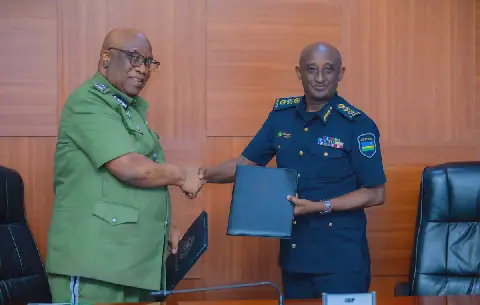
The agreement signed in Washington on June 27, 2025, between the DRC and Rwanda outlined the neutralization of the FDLR and the lifting of Rwandan defensive measures as key security commitments. However, Kigali contests Kinshasa's new protocol for disarming, demobilizing, and cantoning the FDLR, viewing it as non-compliant with the Washington agreement.
The situation remains complex, with persistent differences between the DRC and Rwanda on interpreting and implementing their respective commitments. The ongoing hostilities, mutual accusations of ceasefire violations, and divergent interpretations of the Washington agreement hinder its implementation and sustain mistrust between the two nations.
Key points
- Rwanda's Prime Minister Justin Nsengiyumva called for a political solution to the crisis in the DRC's eastern region.
- Nsengiyumva emphasized addressing the root causes of the conflict, including long-standing grievances and governance failures.
- Rwanda supports diplomatic initiatives, including the Washington agreements and the Doha process, to resolve the conflict.