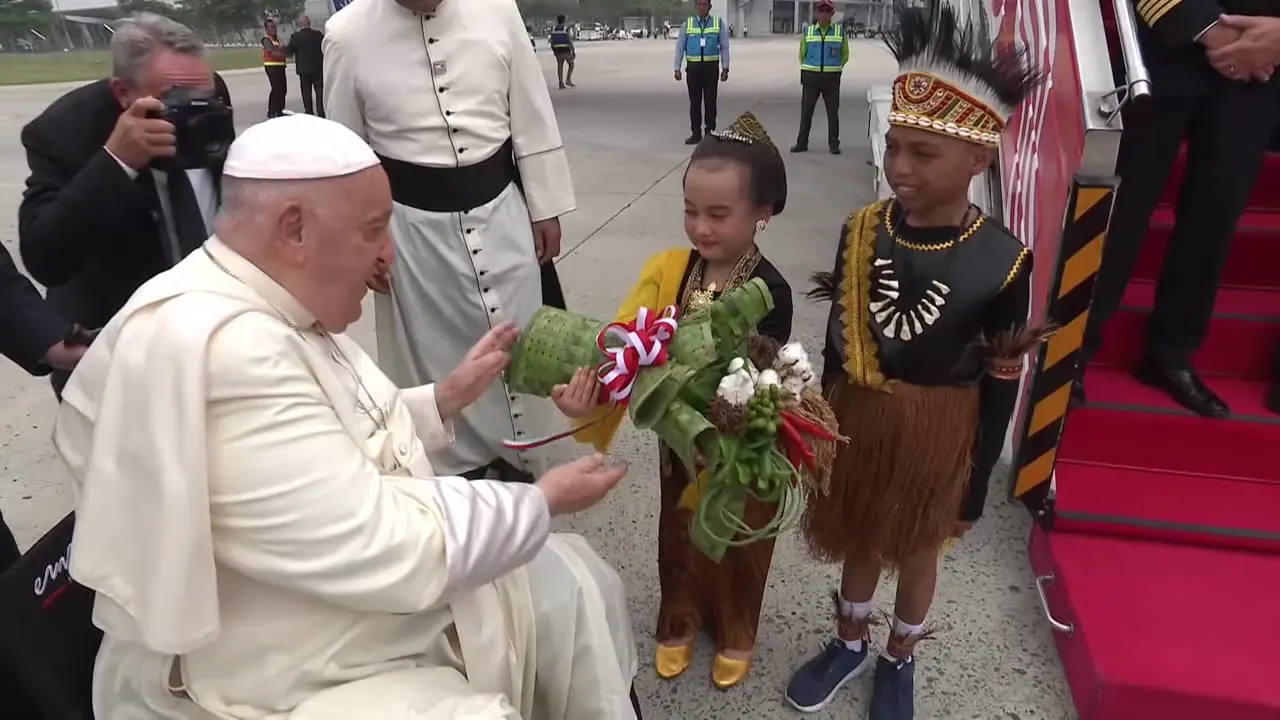
In the realm of diplomacy and state ceremonies, particularly in the 20th century, presenting flowers has become a customary gesture to welcome esteemed guests. In Rwanda, when a head of state or distinguished visitor arrives at the airport for an official visit, a protocol-driven ceremony is organized. This ceremony includes a reception committee, national anthems or traditional songs, and the presentation of flowers, typically by a child on behalf of the airport.
According to Emmy Arsonval Maniriho, an expert in airline and airport management, the tradition of presenting flowers is also observed during the inauguration of new flight routes. At airports, this often involves ceremonies that include presenting flowers, cutting a cake, offering gifts, taking photos, delivering speeches, and even a water salute for the aircraft. Maniriho cites the example of Noi Bai International Airport in Vietnam, which recently inaugurated a new route with Akasa Air, where airport officials presented flowers and a water salute.
In some countries, flowers are presented to passengers or airline staff rather than the aircraft itself. For instance, during the first flight of Southwest Airlines to Hawaii, passengers were given flower leis as part of a traditional welcome ceremony. Maniriho notes that while it is common for children to present flowers, there are no specific regulations governing this practice. Instead, it is often done because children symbolize the future of aviation.
The involvement of children in presenting flowers is seen as a symbolic gesture representing the future of air transport. When a child presents flowers to a pilot or airline representative, it conveys a message about the future of aviation. Maniriho explains that children will one day become passengers, pilots, engineers, air traffic controllers, or airline leaders, making their involvement in such ceremonies significant.
The use of children in airport ceremonies is not unique to Rwanda. At the inauguration of Noida International Airport in India, a child dressed as a pilot presented flowers as part of the celebration. In many cases, the child is chosen by the event organizers, who may be airport employees, airline staff, tourism officials, or ceremony planners. The selection of the child often depends on the message the organizers wish to convey.
While there are no strict guidelines on who should present flowers, the practice is often used to represent the future of aviation and the youth. The child may be an airport or airline employee, but this is not a requirement. They may also be a student or representative of an organization associated with the airport or country.
In Rwanda, the tradition of greeting guests with flowers at the airport reflects the country's diplomatic efforts to create a welcoming atmosphere for esteemed visitors. As observed in various countries, this practice has become an integral part of airport ceremonies, symbolizing respect, hospitality, and a warm welcome.
Key points
- The tradition of presenting flowers to guests at airports is a diplomatic gesture that symbolizes respect and hospitality.
- Children are often chosen to present flowers as they represent the future of aviation.
- The practice of presenting flowers at airports is not unique to Rwanda and is observed in various countries during diplomatic ceremonies and the inauguration of new flight routes.