The National Ethics and Anti-Corruption Commission in Rwanda, also known as the Urwego rw'Umuvunyi, has announced that 99.9% of officials across various sectors have disclosed their assets since its establishment in 2004. This achievement is attributed to the good political will to comply with the law. The Commission's report for this year will be made public soon. The asset disclosure process is part of efforts to promote transparency and accountability in the country.
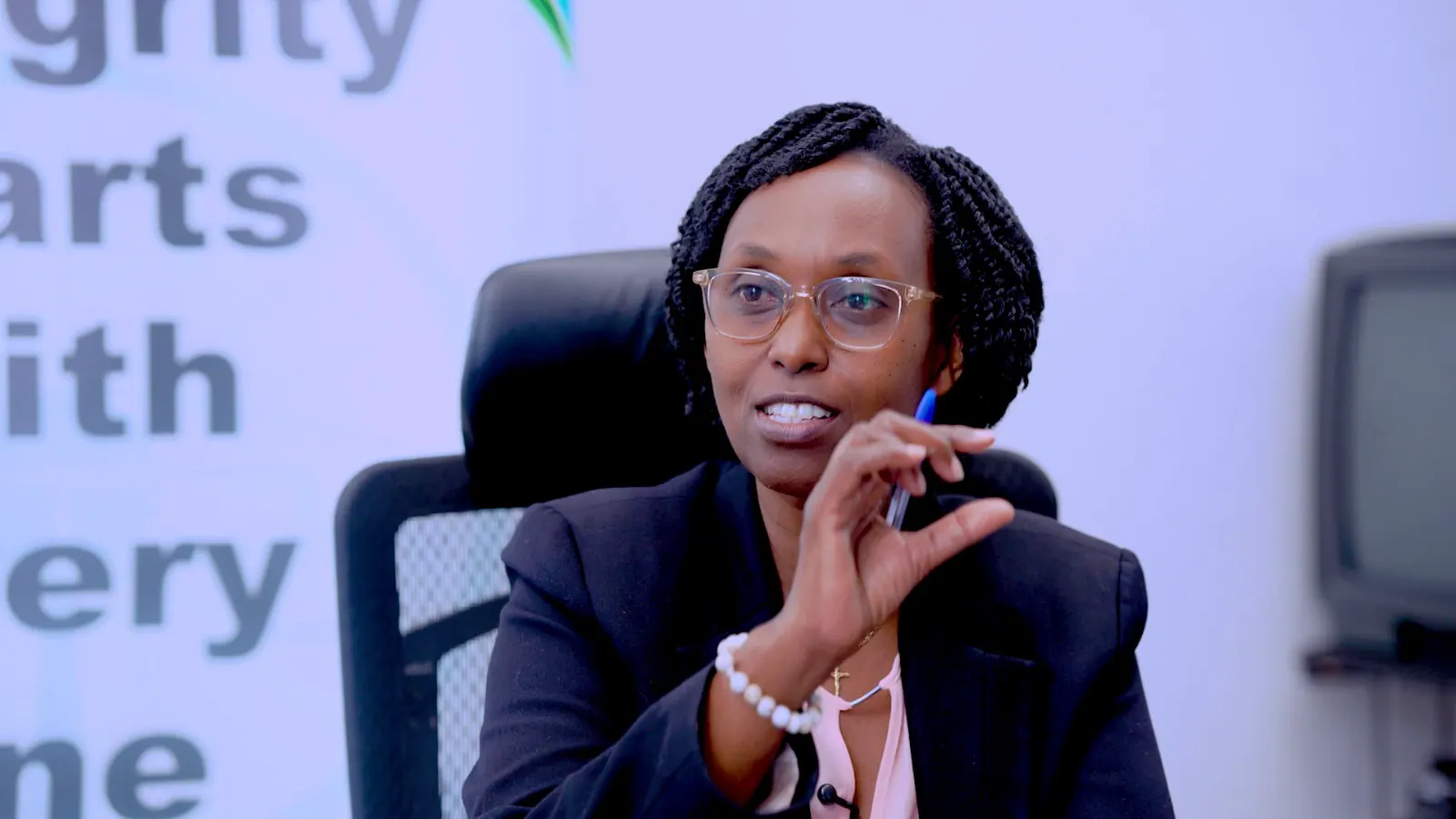
According to Mwiseneza Jean d'Arc, the head of the asset disclosure department at the National Ethics and Anti-Corruption Commission, the high rate of asset disclosure by officials is a positive step towards complying with the law. He noted that the Commission has received asset disclosures from officials at all levels, from top leaders to lower-ranking officials. The Commission's goal is to ensure that all officials comply with the asset disclosure requirement.
In 2025, over 21,000 officials disclosed their assets, including those who were subjected to verification of the information they provided about the sources of their assets. Those who failed to provide information on the sources of their assets risk being punished with imprisonment ranging from 7 to 10 years. The law requires all Rwandan citizens, including officials, to disclose their assets and provide information on their sources.
The 2021 law specifies the list of officials required to disclose their assets, including top leaders such as the Head of State, judges, prosecutors, and lower-ranking officials like sector executives and notaries. The law also provides for the use of technology, including the ODASI system, to receive and verify asset disclosures. The Commission reported that 99.95% of officials who were required to disclose their assets did so.
According to the Commission's report, out of 19,707 officials required to disclose their assets, 19,697 did so, while 10 failed to comply and were sanctioned. In the 2022/2023 financial year, 17,687 officials disclosed their assets, and 3,333 were subjected to verification by the Commission. Six individuals were investigated by the Rwanda Investigation Bureau.
In the 2023/2024 financial year, 18,569 officials disclosed their assets, and the Commission verified the assets of 5,724 individuals selected based on their positions and sectors. The verification process aims to identify potential cases of corruption. The Commission's efforts are part of Rwanda's broader strategy to combat corruption and promote good governance.
The National Ethics and Anti-Corruption Commission will continue to work with officials to ensure compliance with the asset disclosure requirement. The Commission's report for this year will provide more details on the asset disclosure process and the actions taken against those who failed to comply. The Rwandan government has emphasized its commitment to fighting corruption and promoting transparency in the country.
Key points
- Over 99.9% of Rwandan officials have disclosed their assets since 2004.
- The National Ethics and Anti-Corruption Commission verified the assets of 5,724 officials in the 2023/2024 financial year.
- Those who fail to disclose their assets or provide information on their sources risk being punished with imprisonment.