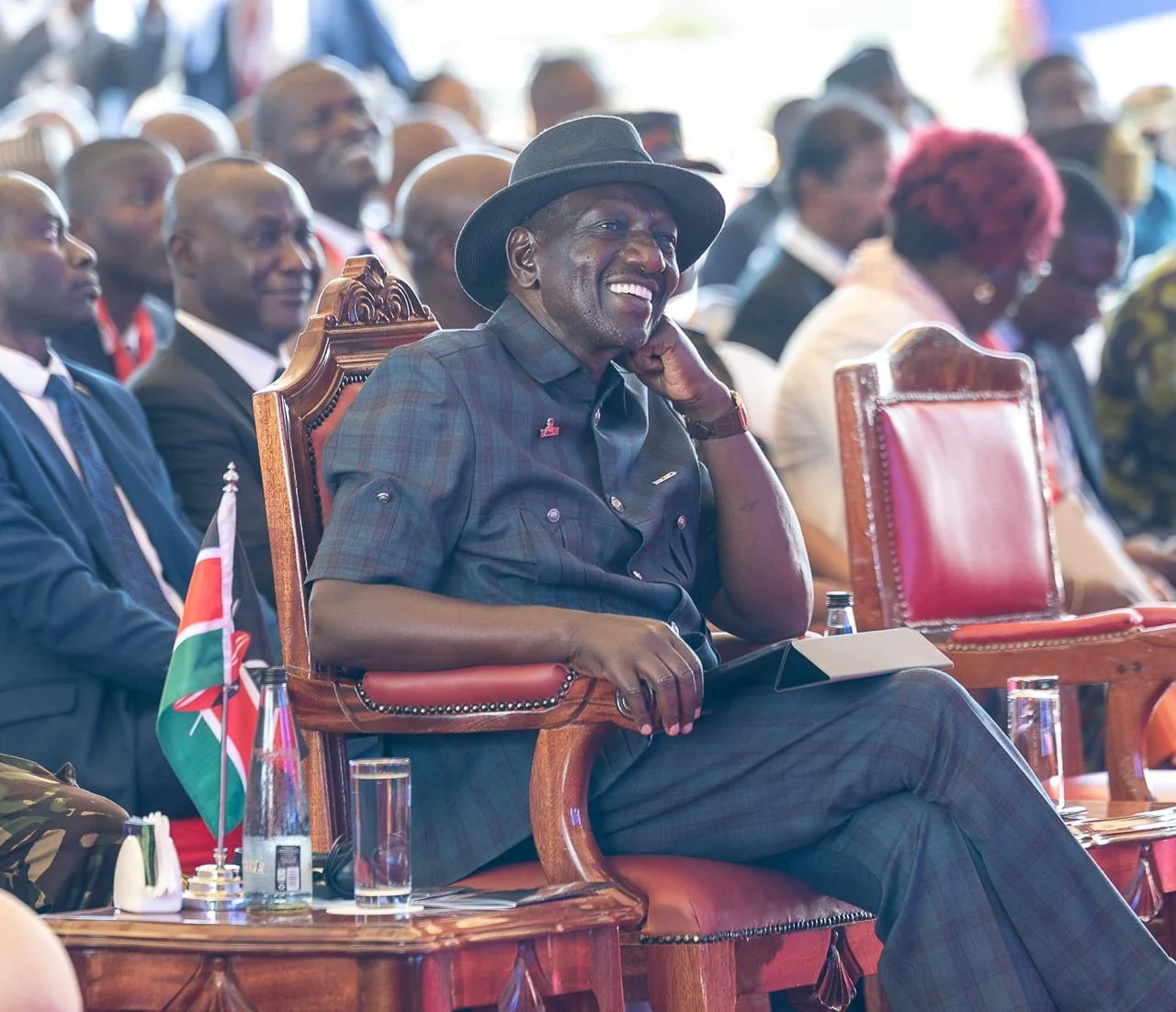
On September 30, 2026, President William Ruto launched the Dangote East Africa Petroleum Refinery in Mokowe, Lamu County, Kenya. The project, valued at $16 billion, aims to process 700,000 barrels of crude oil per day. Ruto stated that the refinery signifies a shift from traditional infrastructure financing, where the government relies heavily on taxes and public borrowing. Instead, the government will combine state assets, public investment, and private capital to finance its participation in the project.
The proposed financing model involves using the National Infrastructure Fund, alongside public assets such as land, to secure a stake in the refinery. The private sector will provide much of the capital, technical expertise, and management needed to develop the project. According to Ruto, this approach marks a move away from depending mainly on taxes and public borrowing to finance major infrastructure and industrial projects. The President emphasized that public resources alone cannot meet the country's growing infrastructure needs.
The National Infrastructure Fund is a state-owned investment vehicle created to finance major development projects and mobilize over $43 billion over 10 years for energy, roads, and other critical infrastructure. The fund aims to attract private investment, with a target of mobilizing up to Sh10 for every shilling invested. The Dangote refinery is among the projects identified for possible equity participation by the fund. Ruto highlighted the fund's role in mobilizing assets, savings, and capital markets to crowd in long-term investment.
President Ruto confirmed that the Kenyan government will own a stake in the refinery, ending uncertainty over the state's direct ownership position. The government will deploy its assets, including land, and use the National Infrastructure Fund to invest in the refinery. Earlier reports indicated that Kenya could acquire a 10 percent stake, estimated at about $1.6 billion based on the projected $16 billion cost of the refinery. However, the final ownership structure has not been fully settled.
Regional governments have been offered a combined 30 percent stake in the refinery. The financing plan comes as the refinery's large capital needs remain a major part of discussions around the project, alongside questions on crude oil supply and the infrastructure required to support operations. Analysts have raised concerns about whether the refinery will be able to secure enough crude and financing to operate at its planned capacity.
Despite concerns, Ruto presented the investment as an opportunity to increase the role of private investors and long-term institutional funds in Kenya's industrial development. He encouraged Kenyans to participate through the country's capital markets, citing the growth in assets listed on the Nairobi Securities Exchange. The value of assets listed has risen from Sh2 trillion three years ago to Sh4.2 trillion. The President emphasized that the government will increasingly judge the impact of public investment by how much additional private money it can bring into major projects.
The proposed model combines government assets and public capital with private investment, with the National Infrastructure Fund expected to provide the main vehicle for Kenya's participation in the refinery. The private sector is expected to bring in much of the commercial funding, technical skills, and management needed to develop and operate the facility. The refinery is expected to supply refined petroleum products to Kenya and other East African markets, with construction expected to be completed in 2030.
Key points
- The Kenyan government will combine state assets, public investment, and private capital to finance its participation in the Dangote East Africa Petroleum Refinery.
- The National Infrastructure Fund will play a key role in mobilizing assets, savings, and capital markets to crowd in long-term investment.
- The refinery is expected to process 700,000 barrels of crude oil per day and supply refined petroleum products to Kenya and other East African markets.