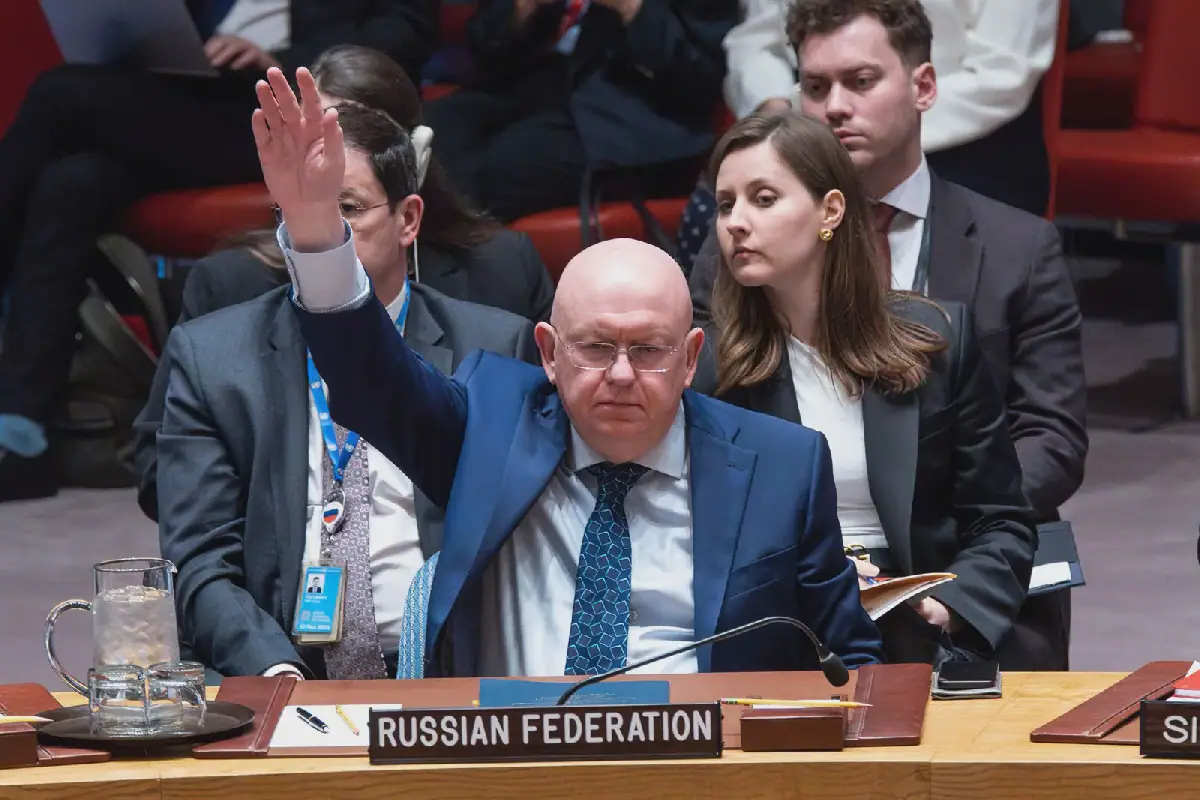
Political analyst Samir Bennis stated that Russia's rejection of the US-drafted UN Security Council resolution on Western Sahara will not reverse the progress made by Morocco in recent years. The veto, cast by Russia as a permanent member of the Security Council, blocked the resolution that had received 11 votes in favor, with three members abstaining. Bennis emphasized that the veto will have no legal effect on Security Council Resolution 2797, which remains the main reference guiding the UN-led political process.
The draft resolution, which sought to rename the United Nations Mission for the Referendum in Western Sahara (MINURSO), was opposed by Russia, which submitted an alternative draft resolution to extend MINURSO's mandate for another year. Bennis noted that the Russian proposal seeks to maintain MINURSO's current status, expressing support for efforts by the UN Secretary-General, his Personal Envoy, and the United States to advance the political process. This process aims to reach a just, lasting, and mutually acceptable solution to the dispute.
According to Bennis, the immediate consequence of the failure to adopt a new resolution is the expiration of MINURSO's mandate, which could leave its future uncertain. The analyst argued that the disagreement between the United States and Russia is primarily about MINURSO's name and future mandate rather than the broader political process established under Resolution 2797. The US-drafted proposal sought to rename MINURSO as the UN Mission in Western Sahara (MINUSO), removing the reference to a referendum from its official name.
Bennis also addressed the possible diplomatic implications of the Russian veto for Algeria, which has long supported the Polisario Front. He said the veto could give Algiers a brief opportunity to present the outcome as a diplomatic victory. However, Bennis argued that this would not reverse the changes that have taken place in the political and legal framework surrounding Western Sahara, particularly growing international support for Morocco's Autonomy Proposal.
Morocco has continued to gain international support for its Autonomy Proposal, with more than 135 countries backing the initiative as a basis for resolving the Western Sahara dispute. This growing diplomatic support reflects a shift in the international approach to the conflict, with an increasing number of countries expressing support for Morocco's position and calling for a negotiated political solution based on the Autonomy Plan.
Bennis concluded that Algeria's diplomatic efforts would not, on their own, be enough to halt the growing international momentum behind Morocco's autonomy plan. The analyst emphasized that the developments surrounding the dispute in recent years, particularly growing international support for Morocco's Autonomy Proposal, would not be undone by the Russian vote.
Ultimately, while the Russian veto has introduced fresh diplomatic uncertainty over MINURSO's future mandate, it does not erase the political and diplomatic developments surrounding the Western Sahara dispute. The vote may offer Algeria a short-term diplomatic talking point, but Morocco's growing international support and the continued prominence of its Autonomy Proposal in discussions over a political settlement remain central to the broader diplomatic landscape.
Key points
- The Russian veto of the US-drafted UN resolution on Western Sahara won't affect the political and legal framework established by Security Council Resolution 2797.
- Morocco's Autonomy Proposal has gained support from over 135 countries as a basis for resolving the Western Sahara dispute.
- The Russian veto may introduce uncertainty over MINURSO's future mandate, but it won't reverse Morocco's progress on Western Sahara.