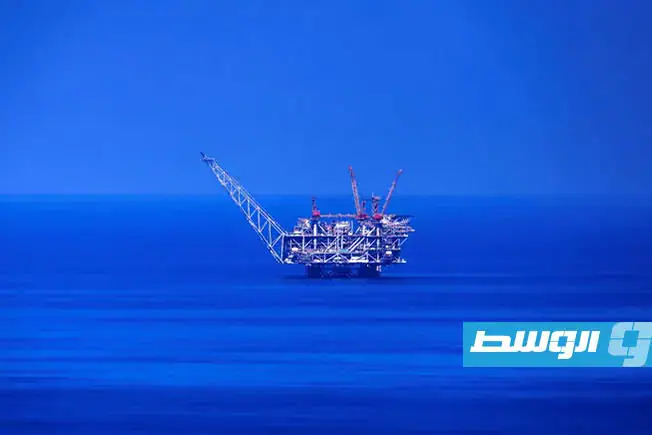
A Russian newspaper, Vzgliad, has reported that Turkey is strengthening its maritime position in the eastern Mediterranean following the approval of a maritime agreement with Libya by the Libyan House of Representatives. The agreement has raised concerns about the potential for conflict in the region, which is rich in natural gas resources. Vzgliad noted that Turkey is preparing a bill on maritime jurisdiction that would solidify its claims in the region.
The Vzgliad report stated that the Turkish-Libyan agreement has enhanced Ankara's vision for maritime boundaries in the Mediterranean, despite opposition from other countries in the region. Vzgliad noted that Turkey has reached understandings with Libyan parties on re-drawing maritime zones and the continental shelf rich in gas, although several countries dispute its claims. The dispute over maritime boundaries has reignited a conflict that had been dormant for years and has become a source of tension between countries in the region.
Vzgliad noted that the dispute over maritime boundaries has been ongoing for nearly a decade and involves several countries, including Egypt, Cyprus, Greece, Israel, Italy, Jordan, and Palestine. These countries have established the Eastern Mediterranean Gas Forum, which excludes Turkey. Vzgliad argued that Turkey's exclusion from the forum has contributed to its diplomatic isolation and has driven it to take more assertive actions to protect its interests.
The Russian newspaper highlighted several incidents that have raised tensions in the region, including the harassment of Greek ships by Turkish patrol boats. Vzgliad noted that neither side appears willing to compromise and that both are insisting on their maritime claims, making it difficult to reach an agreement on sharing resources. The Vzgliad report warned that the ongoing tensions could make it challenging to implement energy infrastructure projects, including gas pipelines and offshore field development.
Vzgliad concluded that the escalation of tensions could increase the likelihood of a military confrontation in the eastern Mediterranean. The report noted that the region's complex geopolitics and competing claims make it challenging to find a peaceful resolution to the conflict. Vzgliad's warning comes as Turkey and Libya have strengthened their cooperation in recent years, which has raised concerns among other countries in the region.
The Vzgliad report has sparked concerns about the potential for conflict in the eastern Mediterranean, which could have significant implications for the global energy market. The region is home to significant natural gas reserves, and any conflict could disrupt energy supplies and impact global prices. The international community has called for calm and urged all parties to engage in dialogue to resolve their differences peacefully.
The Turkish-Libyan maritime agreement has been met with opposition from several countries, including Greece and Cyprus. The agreement has also raised concerns among energy companies operating in the region, which could impact investment in the sector. Vzgliad's warning highlights the need for a peaceful resolution to the conflict to ensure the stability of the region and the global energy market.
Key points
- The Vzgliad report warns that the Turkish-Libyan maritime agreement could lead to a "gas war" in the eastern Mediterranean.
- The dispute over maritime boundaries in the eastern Mediterranean involves several countries, including Egypt, Cyprus, Greece, Israel, Italy, Jordan, and Palestine.
- The escalation of tensions in the region could increase the likelihood of a military confrontation and disrupt energy supplies.