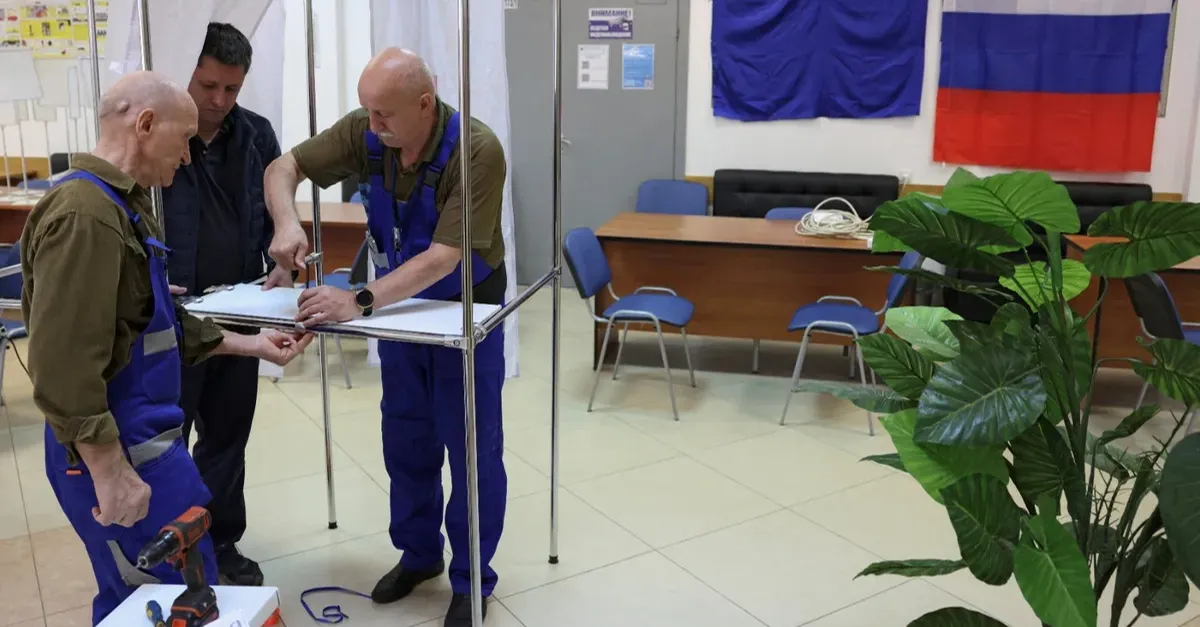
The Russian Duma elections, also known as the parliamentary elections, entered their second day of voting with a significant turnout. According to the Russian Election Committee, over 30% of eligible voters have cast their ballots. This figure includes not only those who voted on the first day but also those who participated through the electronic voting system. The elections began on September 14 in regions that Russia claims to have annexed, including Zaporizhzhia, Kherson, Donetsk, and Luhansk.
The voting process is being closely watched by both locals and international observers. According to Hussein Meshik, a reporter for Al-Qahera News in Moscow, experts and election observers within Russia consider the 30% turnout to be expected at this stage. They believe it reflects continued interest in the electoral process. Meshik added that local opinion polls suggest that the ruling party, United Russia, is likely to receive the largest share of votes.
The Duma elections hold significant importance in Russia, extending beyond a mere constitutional procedure. They are seen as an indicator of public opinion and the future political landscape. The elections will determine the composition of the State Duma, the lower house of the Russian parliament, for the next five years. A total of 450 deputies will be elected through a mixed system, with 225 chosen through single-mandate districts and the remaining 225 allocated proportionally based on the number of votes received by each party.
Electronic voting has been made available to citizens since September 14, allowing them to cast their ballots remotely. This system aims to increase voter convenience and participation. However, some critics have raised concerns about the potential for voter manipulation and the transparency of the process. Despite these concerns, the Russian government has emphasized its commitment to ensuring the integrity and fairness of the elections.
The regions that have been allowed to vote since September 14 are those that Russia claims to have annexed from Ukraine. These regions include Zaporizhzhia, Kherson, Donetsk, and Luhansk. The decision to allow voting in these areas has been met with controversy, with Ukraine and Western countries rejecting Russia's claims of annexation. The international community has called for a boycott of the elections in these regions, citing concerns about their legitimacy.
As the elections continue, attention is focused on the potential outcomes and their implications for Russia's future. According to local polls, United Russia is expected to maintain its majority in the Duma. However, other parties, such as the Communist Party and the Liberal Democratic Party, may also gain representation. The final results will provide insight into the evolving dynamics of Russian politics and the popularity of various parties.
The Russian Duma elections will conclude on September 17, with the final results expected to be announced shortly after. The outcome will have significant implications for Russia's domestic and foreign policy. As the country navigates complex international relations and internal challenges, the elections offer a glimpse into the priorities and preferences of the Russian electorate.
Key points
- Over 30% voter turnout reported in Russian Duma elections
- Electronic voting system introduced to increase participation
- Ruling party, United Russia, expected to win majority of seats