The third Russian-African Summit took place in Moscow on October 27-28, bringing together 48 African countries, with 22 represented by their heads of state and government. The summit provided a platform for discussions on various aspects of cooperation, including international trade, agriculture, technology, and energy. African leaders engaged with President Putin and his administration to explore ways to strengthen ties between Russia and Africa. The summit highlighted Russia's growing influence in Africa and its desire to expand cooperation with the continent.
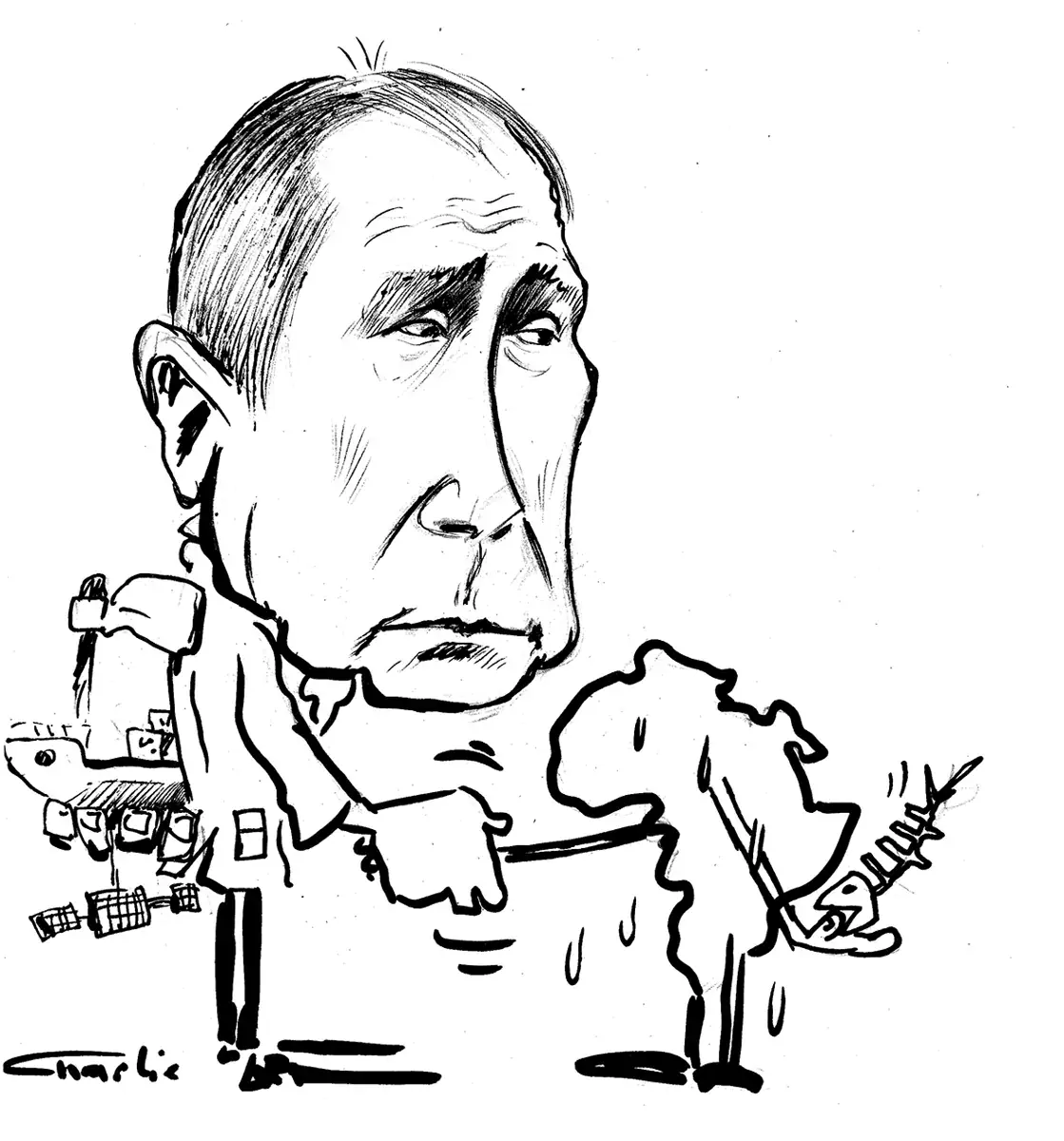
The summit's discussions were dominated by issues related to international trade, particularly in the wake of the trade tensions sparked by US President Donald Trump's tariffs. African leaders sought to address the challenges posed by the new global economic order and find ways to mitigate the negative impacts on their economies. President Putin used the opportunity to criticize Western powers, including the US, for their colonial and imperialist policies, which he claimed had hindered Africa's development. He portrayed Russia as a champion of the Global South, seeking to promote a more equitable international order.
Russia's energy sector was a significant topic of discussion at the summit, with Putin highlighting his country's expertise in nuclear energy. He offered to provide African countries with nuclear power plants, which could help address their energy needs. This move is seen as an attempt by Russia to expand its influence in Africa and create new economic opportunities. African leaders have expressed interest in diversifying their energy sources and reducing their dependence on traditional fossil fuels.
The summit also provided a platform for African leaders to raise concerns about Russia's actions in Ukraine. Some critics have accused Putin of hypocrisy, given his claims to be promoting a more equitable international order while pursuing an aggressive foreign policy in Eastern Europe. However, Putin defended his actions, arguing that Russia's operations in Ukraine were necessary to promote stability and security in the region.
African leaders also used the summit to remind Putin of his promises and commitments made at previous summits. They urged him to follow through on his pledges to increase economic cooperation and provide support for African development initiatives. Putin's administration has faced criticism for not fully implementing its commitments, and African leaders are eager to see tangible results from the summit.
The Russian-African Summit has become an annual event, with the first summit taking place in 2019. The event has provided a platform for African leaders to engage with Russia and explore new opportunities for cooperation. While some critics have raised concerns about Russia's motives, African leaders see the summit as an opportunity to diversify their partnerships and promote their economic interests.
The summit concluded with a commitment to strengthen cooperation between Russia and Africa in various areas, including trade, energy, and technology. African leaders left Moscow with a renewed sense of optimism about the potential for cooperation with Russia. However, the success of the summit will depend on the implementation of the agreements and commitments made during the event.
Key points
- Russian President Vladimir Putin hosted 48 African countries at the third Russian-African Summit in Moscow, focusing on cooperation in trade, agriculture, technology, and energy.
- The summit provided a platform for African leaders to raise concerns about global trade tensions and Russia's actions in Ukraine.
- Russia offered to provide African countries with nuclear power plants, which could help address their energy needs and expand Russian influence on the continent.