The Russian government on Friday used its veto power at the United Nations Security Council to block a US resolution on Western Sahara, a move that has significant implications for the region. The resolution, which was aimed at extending the mandate of the UN's peacekeeping mission in Western Sahara, MINURSO, for another year, was rejected due to Russia's veto. The mission's mandate is set to expire on Saturday.
The US resolution would have prolonged MINURSO's mandate for a year, while also endorsing Morocco's autonomy plan as the sole basis for negotiations and reducing the mission's military component. Additionally, it proposed renaming the mission to MINUSO and conducting a census of Sahrawi refugees. However, Russia opposed the resolution, arguing that it overstepped the Council's authority by prejudging issues of sovereignty.
A counter-resolution submitted by Russia, which merely sought to extend MINURSO's mandate for a year, failed to gain the necessary nine votes, with three votes in favor, one against, and eleven abstentions. The US Ambassador to the UN, Michael Waltz, noted that a referendum had long been unfeasible due to persistent disagreements over the composition of the electorate and that the UN had ceased preparations for one decades ago.
The French, British, and eight non-permanent members of the Security Council supported the US resolution. Russia's representative, Vassily Nebenzia, justified his country's veto, stating that the Council could not predetermine issues of sovereignty. The veto has been met with mixed reactions, with Morocco welcoming the development and the Polisario Front, supported by Algeria, expressing gratitude to Russia.
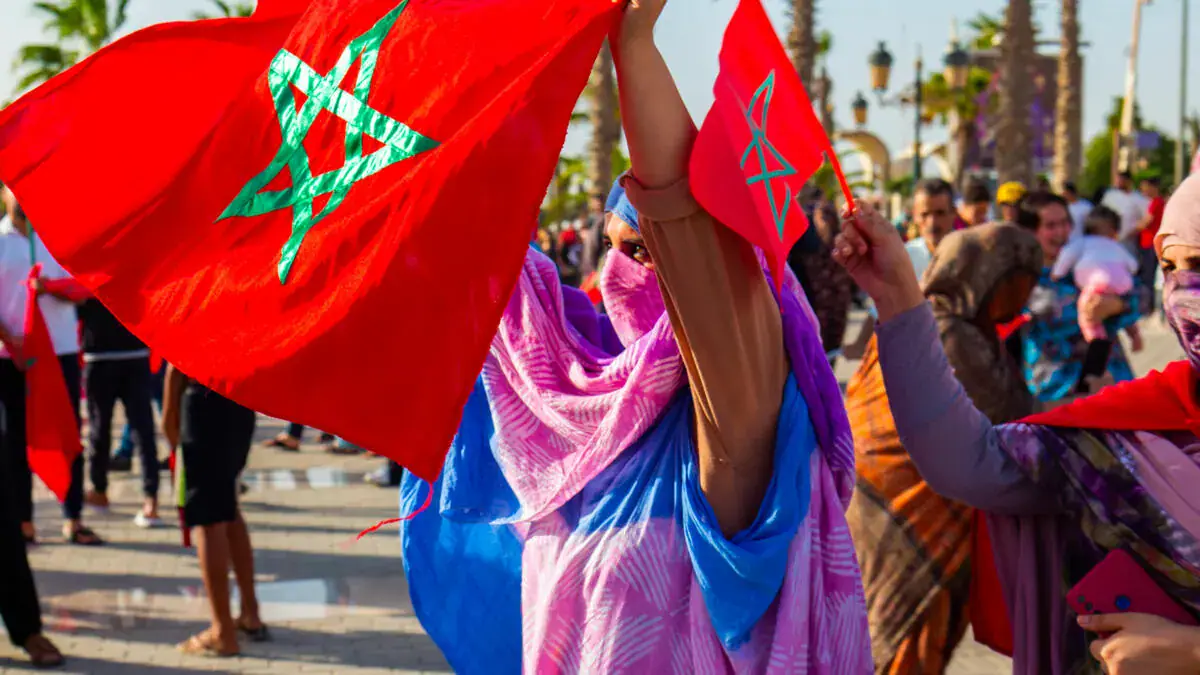
The Moroccan government has hailed the veto as a "significant development," adding that MINURSO's personnel and equipment should leave the territory in the coming days and that the issue should be removed from the Council's agenda. However, Morocco has reaffirmed its commitment to the ceasefire. In Laâyoune, the largest city in Western Sahara, residents celebrated the "Day of Unity," commemorating last year's UN vote in favor of Morocco's autonomy plan.
Established to organize a referendum under a ceasefire negotiated by the UN, MINURSO currently comprises 155 military personnel and has an annual budget of $62 million. The Polisario Front views the US resolution as a threat to the foundations of the UN peace process. The situation remains complex, with multiple stakeholders holding differing positions on the future of Western Sahara.
The Russian veto has significant implications for the future of Western Sahara, as it effectively maintains the status quo and paves the way for Morocco's autonomy plan to move forward. The international community will be watching closely to see how the situation develops in the coming days and weeks.
Key points
- Russia vetoes US resolution on Western Sahara at UN Security Council
- Morocco welcomes veto, Polisario Front expresses gratitude to Russia
- MINURSO's mandate set to expire, future of Western Sahara uncertain