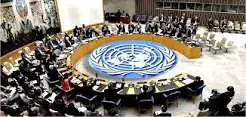
In a recent development at the United Nations Security Council, Russia exercised its veto power to block a US resolution regarding Western Sahara. The resolution, which garnered support from 11 council members, aimed to extend the mandate of the UN Mission for the Referendum in Western Sahara (MINURSO) for another year. However, Russia's veto prevented the resolution from passing. The Russian delegation proposed an alternative resolution that sought to extend the mission's mandate without significant changes.
The US resolution, which was vetoed by Russia, proposed extending the mandate of MINURSO until October 31, 2027. Additionally, it suggested renaming the mission to "United Nations Mission in Western Sahara" (MINUSO), effective November 1, 2026. The proposed changes aimed to reflect the evolving nature of the mission and its role in the region. However, Russia's opposition to these changes led to the veto.
Russia's alternative resolution, which was also put to a vote, aimed to extend the mandate of MINURSO for another year without significant changes. The resolution emphasized the need for a fair, lasting, and mutually acceptable solution to the Western Sahara conflict, in line with the UN Charter and the principle of self-determination. The Russian proposal garnered support from some council members but ultimately failed to gain the necessary votes.
The Western Sahara conflict has been a longstanding issue, with Morocco and the Polisario Front vying for control over the region. The UN has been involved in efforts to resolve the conflict, with MINURSO playing a crucial role in maintaining peace and stability in the region. The mission's mandate has been extended several times, with the current mandate set to expire on October 31, 2026.
The veto by Russia has significant implications for the future of MINURSO and the Western Sahara conflict. The UN Security Council will need to revisit the issue and explore alternative solutions to extend the mission's mandate. The situation remains complex, with various stakeholders holding different positions on the conflict.
Algeria, a key player in the region, has been actively involved in efforts to resolve the Western Sahara conflict. The country has provided significant support to the Sahrawi people, who have been displaced due to the conflict. Algeria's position on the issue has been shaped by its historical ties with the Sahrawi people and its commitment to upholding the principles of self-determination and territorial integrity.
The international community has expressed concern over the implications of Russia's veto on the Western Sahara conflict. The UN Secretary-General has emphasized the need for a peaceful and lasting solution to the conflict, in line with the UN Charter and relevant Security Council resolutions. The situation remains a pressing concern for the international community, with efforts underway to find a mutually acceptable solution.
Key points
- Russia's veto prevents the US resolution on Western Sahara from passing at the UN Security Council.
- The US resolution proposed extending the mandate of MINURSO and renaming the mission to MINUSO.
- Russia's alternative resolution emphasizes the need for a fair, lasting, and mutually acceptable solution to the Western Sahara conflict.