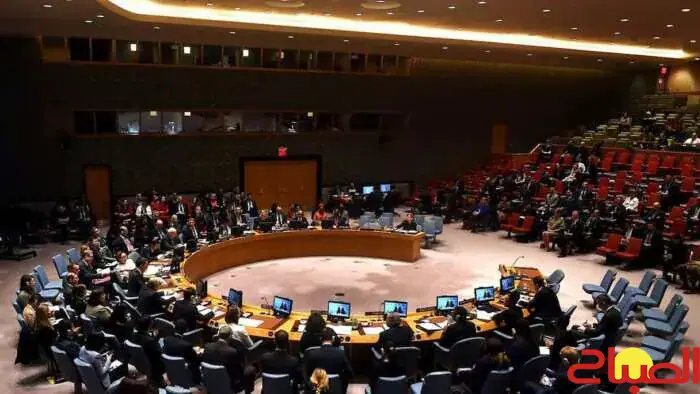
Russia has used its veto power at the UN Security Council to block a US-proposed resolution on Western Sahara. The resolution received 11 votes in favor, with three members abstaining, but Russia's veto prevented its adoption. The US had drafted the resolution to make changes to the management of the Western Sahara file, including the political framework for negotiations and the nature of the UN mission.
The US draft resolution included proposals to make the Moroccan autonomy initiative the sole framework for negotiations aimed at finding a political solution. This would have placed the initiative at the center of the UN's approach and redrawn the basis for consultations on the region's future. The resolution also suggested changes to the UN mission's mandate, including a new name and a revised role.
The proposed resolution, if adopted, would have led to significant changes in the UN's approach to Western Sahara. The changes included renaming the UN Mission for the Referendum in Western Sahara (MINURSO) to MINUSO, by removing the letter "R" associated with the concept of a referendum. This move signaled a shift away from the referendum approach and towards a political settlement.
The US resolution also proposed reducing the military component of the UN mission by 50%, with the closure of some observation sites. This was part of a broader effort to restructure the UN's military presence in the region. Additionally, the resolution called for a census of the population in Tindouf refugee camps within six months, in coordination with international agencies.
The proposed census aimed to determine the actual number of people eligible for humanitarian assistance and improve monitoring of aid distribution. The resolution also sought to address issues with the management of humanitarian aid in the region. By taking these steps, the US hoped to improve the effectiveness and transparency of the UN's humanitarian efforts.
Despite the US efforts, Russia's veto has stalled the adoption of the resolution. The veto has maintained the status quo, with the current UN mission mandate and structure remaining in place. The situation in Western Sahara remains unresolved, with ongoing negotiations and diplomatic efforts needed to find a lasting solution.
The Russian veto has highlighted the ongoing divisions within the UN Security Council on the Western Sahara issue. The US and Morocco have expressed disappointment at the veto, while Russia has not publicly explained its reasons for blocking the resolution. The situation is likely to continue to be a subject of debate and diplomatic maneuvering at the UN.
Key points
- Russia vetoed a US-drafted resolution on Western Sahara at the UN Security Council.
- The resolution aimed to make changes to the management of the Western Sahara file, including the political framework for negotiations and the nature of the UN mission.
- The veto has maintained the status quo, with the current UN mission mandate and structure remaining in place.