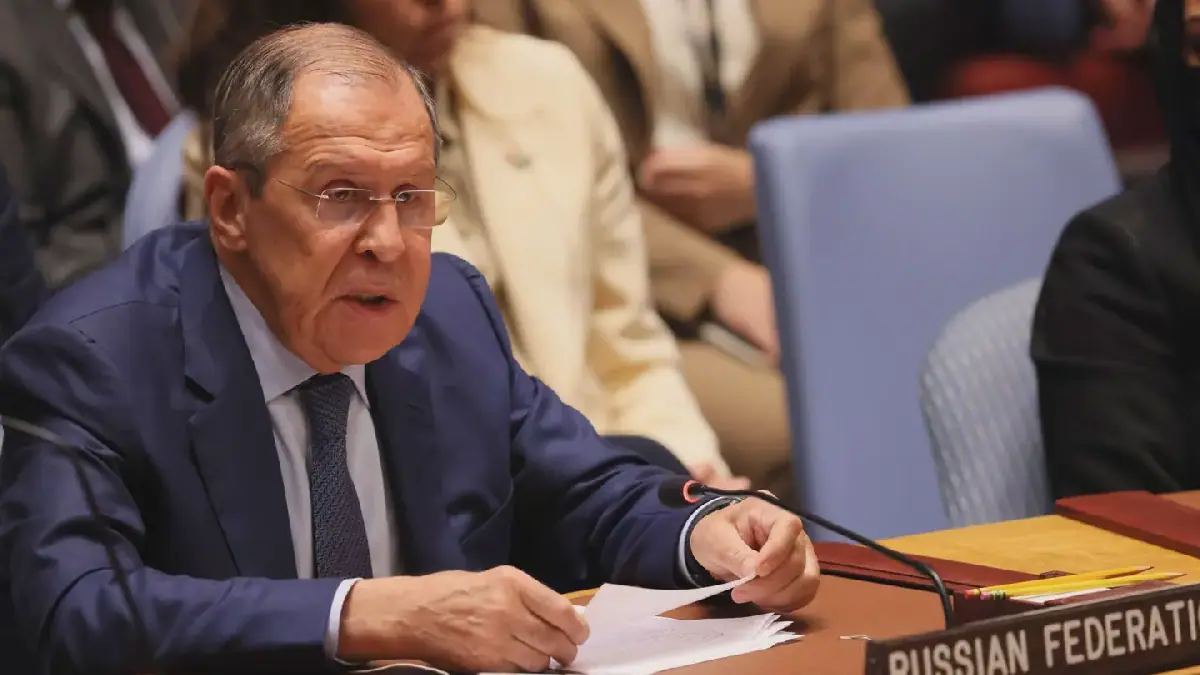
In a dramatic turn of events at the United Nations Security Council, Russia has vetoed a US resolution on Western Sahara. The resolution, which was put to a vote on Friday, October 30, 2026, failed to gain approval despite receiving 11 favorable votes from the 15-member Council. Three countries abstained from voting, but the majority was not enough to overcome Russia's veto. The vote took place as the mandate of the UN Multidimensional Integrated Stabilization Mission in the Western Sahara (MINURSO) was set to expire.
According to sources, the US resolution aimed to address the long-standing issue of Western Sahara, a disputed territory in North Africa. The territory has been a source of tension between Morocco and the Polisario Front, a separatist group, for decades. The US had been working to find a solution to the conflict, but Russia's veto has thrown a wrench into the efforts. The Russian move has been seen as a significant development in the international efforts to resolve the Western Sahara conflict.
The MINURSO mission was established in 1991 to monitor a ceasefire between Morocco and the Polisario Front. The mission's mandate has been extended several times, but it is set to expire on October 31, 2026. The UN has been working to find a lasting solution to the conflict, but the process has been slow and contentious. Russia's veto has raised concerns about the future of the mission and the prospects for a peaceful resolution to the conflict.
The Western Sahara conflict has been a major issue in international diplomacy for decades. Morocco claims sovereignty over the territory, while the Polisario Front seeks independence. The conflict has led to a humanitarian crisis, with thousands of people displaced and many more affected by the violence. The international community has been working to find a solution, but the process has been complicated by the competing interests of various countries.
Russia's veto has been seen as a significant development in the international efforts to resolve the Western Sahara conflict. The move has raised questions about Russia's interests in the region and its relations with Morocco and other countries involved in the conflict. The US and other countries have expressed disappointment at Russia's veto, but have vowed to continue working towards a solution.
The future of the MINURSO mission is now uncertain, as the UN Security Council will need to find a new way forward. The mission has played a critical role in maintaining stability in the region, and its expiration could have significant consequences. The international community will be watching closely to see how the situation develops and what steps will be taken to address the Western Sahara conflict.
The Western Sahara conflict is a complex and contentious issue, with many competing interests and perspectives. The international community will need to work together to find a lasting solution, but Russia's veto has thrown a wrench into the efforts. The situation will continue to be closely watched, as the fate of the MINURSO mission and the future of Western Sahara hang in the balance.
Key points
- Russia vetoes US resolution on Western Sahara at UN Security Council
- MINURSO mission mandate set to expire on October 31, 2026
- Western Sahara conflict remains a major issue in international diplomacy