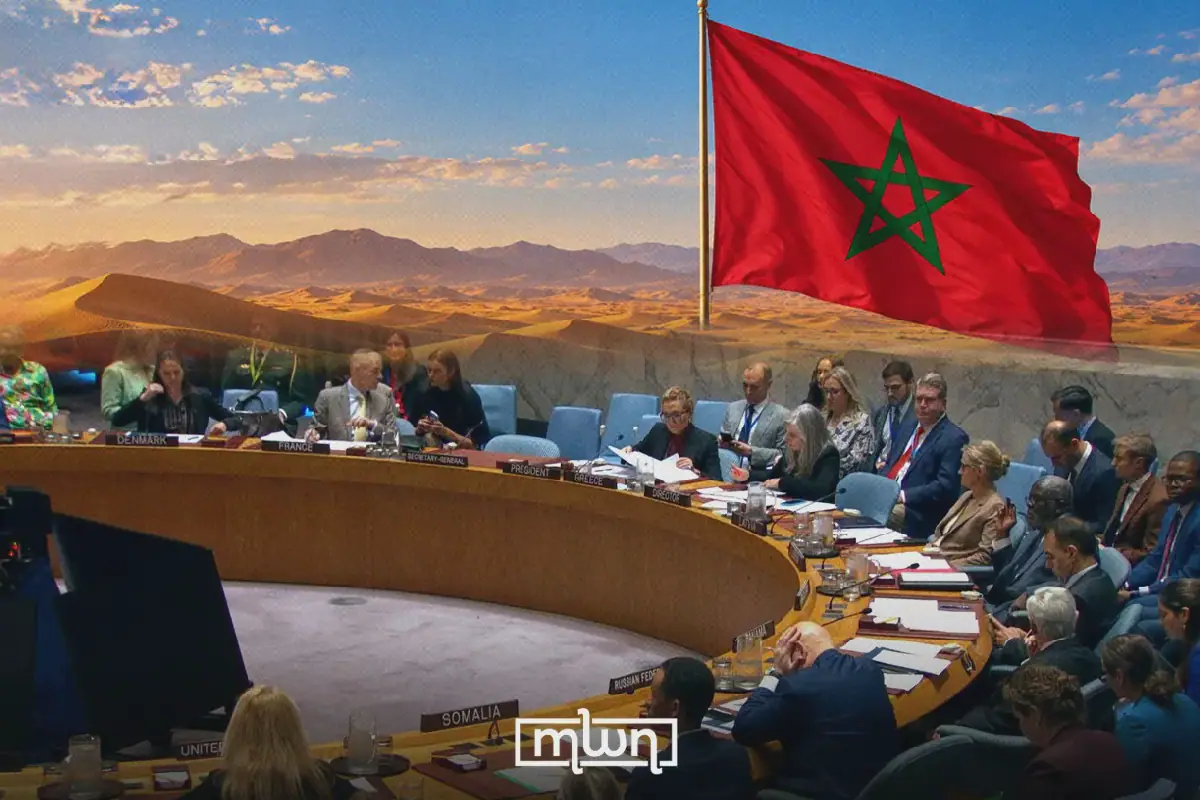
Russia has vetoed a UN Security Council resolution on Western Sahara, despite receiving 11 votes in favor and only three abstentions. As a permanent member of the Security Council, Russia's single vote against constituted a veto, preventing the adoption of the resolution. The resolution, drafted by the United States, aimed to advance the UN-led political process and address longstanding aspects of the dispute.
The US proposal sought to reshape the mandate and future role of the UN Mission for the Referendum in Western Sahara (MINURSO), including renaming it to the UN Mission in Western Sahara (MINUSO). The resolution placed Morocco's Autonomy Proposal at the center of negotiations and called for renewed discussions involving parties to the dispute, including Algeria. It also requested the registration of the refugee population in the Tindouf camps within six months.
Russia's veto comes against the backdrop of its longstanding strategic relationship with Algeria, one of its major partners in North Africa. Algeria challenges Morocco's territorial integrity and sovereignty over its southern provinces and backs outdated narratives against the Autonomy Plan. The veto undermines Washington's latest diplomatic effort to move the dispute toward a negotiated settlement under Morocco's autonomy proposal.
The draft resolution proposed several significant changes to the UN's approach to the Western Sahara dispute. It included a revision of the mandate and structure of MINURSO, extending its mandate until October 31, 2027. The resolution also requested the UN Secretary-General to submit detailed proposals concerning the mission's future structure and staffing.
The draft called for renewed negotiations involving all parties to the dispute, using Morocco's expanded and updated Autonomy Proposal as the basis for discussions. It took note of US President Donald Trump's call for the parties to engage without delay, using Morocco's proposal as the framework for negotiating a mutually acceptable solution.
The resolution also addressed the role of the UN Personal Envoy for Western Sahara, Staffan de Mistura, and the registration of the refugee population in the Tindouf camps. It stressed that the registration process should take place without interference from any entity and called on all concerned to facilitate unimpeded access and freedom of movement for the exercise.
Despite Russia's veto, the matter is not permanently closed, as the United States or any other Security Council member can submit a new draft resolution. Council members may revise the text to address objections raised during negotiations, seek compromise on disputed provisions, and circulate an amended proposal for another vote.
Key points
- Russia vetoes UN Security Council resolution on Western Sahara, undermining US efforts to resolve the dispute through Morocco's autonomy proposal.
- The veto reflects Russia's close ties with Algeria, which challenges Morocco's territorial integrity and sovereignty over its southern provinces.
- The US-drafted resolution aimed to advance the UN-led political process and address longstanding aspects of the dispute through Morocco's autonomy proposal.