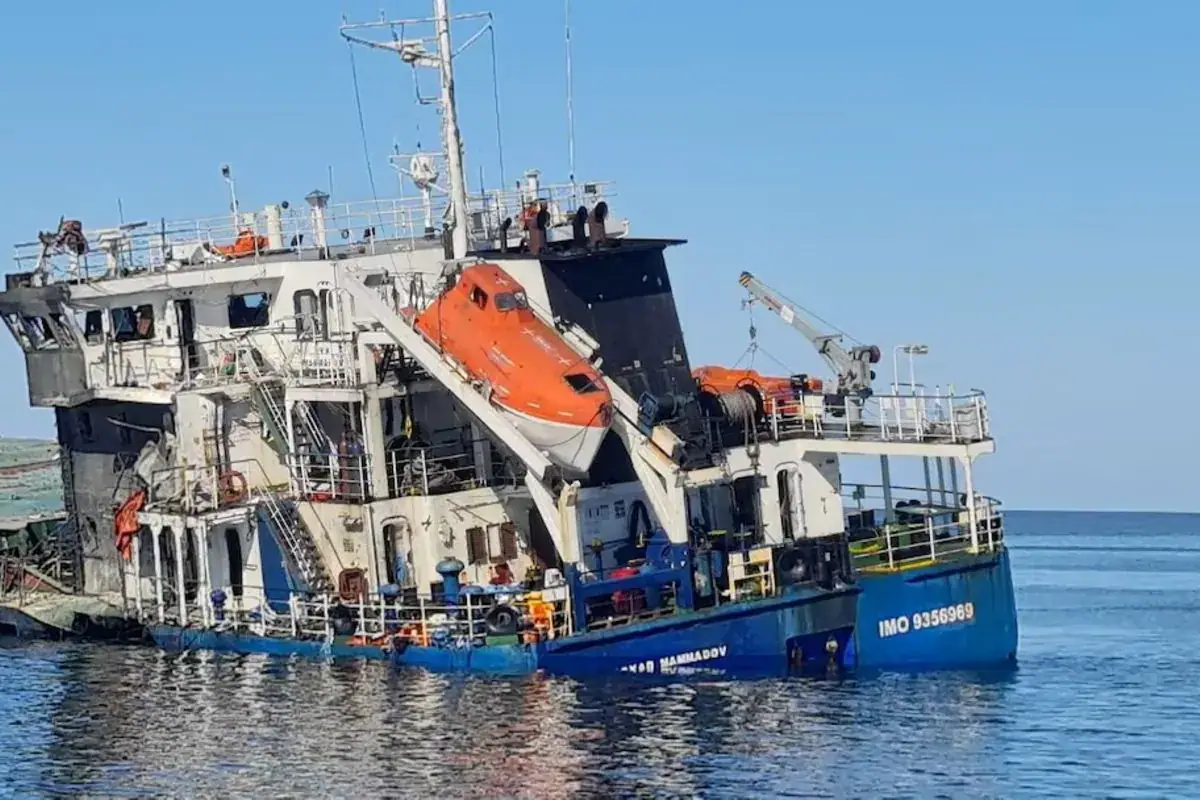
The conflict between Russia and Ukraine is expanding into the Black Sea, posing a significant challenge to NATO's eastern flank. Recent attacks on cargo ships near Romania and Bulgaria have raised concerns about the security of the region. A Greek container ship was sunk by naval drones in Bulgaria's exclusive economic zone last week, while another ship was struck just outside Romanian waters on October 23. These incidents have prompted NATO to deploy maritime patrol aircraft, radars, and drones to bolster its presence in the Black Sea.
Military analysts attribute the attacks to Russia, citing similarities between the naval drones used and Russian variants. The attacks have been seen as an escalation of the conflict, with Russia testing NATO's red lines. Iulia Joja, director of the Black Sea programme for the Washington-based Middle East Institute think-tank, said Russia's actions were taking into account the West's aversion to escalation. Joja drew a comparison with Russian drone incursions into NATO airspace in recent years, suggesting that Russia is probing the limits of NATO's response.
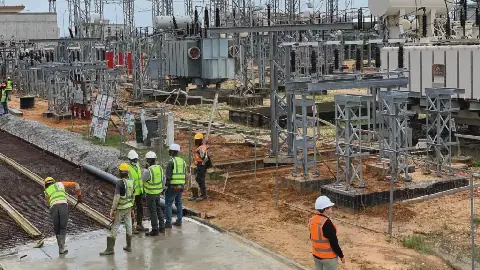
The Black Sea is a crucial waterway for trade, particularly for Romania, which relies on it for its offshore Neptun Deep project, set to make it the European Union's largest gas producer next year. The project was approached by a naval drone in August, highlighting the vulnerability of the region. Bucharest has accused Russia of "systematic" strikes on civilian ships but has stopped short of attributing individual attacks, citing the need for forensic evidence. Sofia has not blamed Russia but has noted that some of the attacks seem to benefit it.
The surge in strikes on Black Sea shipping has severely impacted exports of grain and oil used by Russia and Ukraine. According to Ambrey Analytics, 317 merchant and other vessels were hit in the Black Sea and Sea of Azov between May and October, a more than fourfold rise on the 74 vessels struck in the previous half-year. The tempo of attacks has fluctuated ahead of the fifth anniversary of Russia's full-scale invasion in February. Ukraine carried out 137 attacks on ships compared with 92 Russian ones in the third quarter.
The attacks have led to a significant decline in grain exports from Ukraine and Russia. Russia exported just 0.3 million metric tons of grain in September through the Black Sea and Sea of Azov, down from 4.74 million metric tons in the same month last year. Ukraine suspended operations at its Black Sea ports in late July due to Russian attacks, prompting it to divert volumes to river ports on the Danube and onwards through Romania's Sulina Canal. Even with this alternative route, Ukraine's port exports of grain slumped to 0.81 million metric tons in September compared with 2.1 million in September last year.
The situation has prompted concerns about a potential food crisis, with Ukrainian President Volodymyr Zelenskiy warning of an agricultural crisis in the coming months. Several countries, including Egypt, Turkey, and India, have pushed for maritime ceasefires to avert the fallout from the disruption of shipping. Turkey controls the transit of warships through the Bosphorus and Dardanelles under the Montreux Convention and has proposed a narrow maritime ceasefire. However, Russia has rejected the idea, saying it would provide respite to Kyiv.
NATO has acknowledged the need for cost-effective counter-drone capabilities to address the threat posed by Russia's actions. A NATO official said the alliance's commitment to defending all its members, including those on the Black Sea, was "ironclad." The official noted that NATO had already committed to investing more than $40 billion in counter-drone capabilities in the next five years. Meanwhile, Romania has highlighted its pressing need for surface-to-air interceptors and radar systems to counter threats.
Key points
- Russia's attacks on cargo ships in the Black Sea are testing NATO's red lines and challenging the alliance's eastern flank.
- The conflict has led to a significant decline in grain exports from Ukraine and Russia, sparking concerns about a potential food crisis.
- NATO has pledged to invest in counter-drone capabilities to address the threat posed by Russia's actions in the Black Sea.