A recent analysis published in Foreign Affairs warns that the Russian-Ukrainian conflict is entering a new phase of escalation. According to author Andrei Kolesnikov, Russian President Vladimir Putin believes time is on his side, despite increasing economic and social pressures within Russia. The analysis notes that the recent parliamentary elections have given the Kremlin a new appearance of legitimacy to continue the war.
The elections saw the ruling party, United Russia, secure a significant majority. However, this contrasts with public sentiment within Russia, where surveys by the Levada Center indicate a decline in public support for the war and government performance. In July, 50% of respondents believed the military operation was achieving success, a 20-percentage-point decrease from the previous year. Furthermore, only 54% of respondents felt that the country was moving in the right direction.
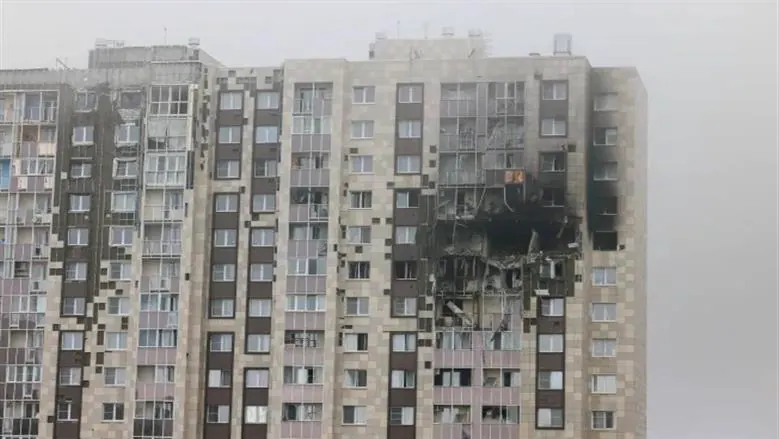
The analysis cautions that the next phase of the conflict may witness greater military escalation, particularly with the approaching winter. Moscow may target Ukraine's energy infrastructure to pressure Kyiv. Additionally, there is a possibility of new military mobilization, with the Kremlin potentially opting for selective or unannounced recruitment to avoid impacting daily life in Russia.
Despite growing war fatigue, surveys indicate that an increasing number of Russians prefer intensifying military strikes over making concessions to end the conflict. Over half of respondents in an August survey believed the war could continue for at least another year. The author suggests that the war has become closely tied to the survival of the political system, with increasing pressure on opponents and stricter laws regarding foreign agents.
The analysis also highlights a diplomatic effort by US President Donald Trump to establish a new channel for negotiation with Moscow. This includes a visit by CIA Director John Ratcliffe to Moscow in August, which may have aimed to create a backchannel for dialogue between Washington and the Kremlin. According to the article, Putin appears to be using time to his advantage, potentially delaying a political settlement while escalating military pressure on Ukraine.
The conflict's progression and potential for escalation are closely tied to the ability of Washington and Moscow to establish a new negotiating track. The article concludes that the possibility of reaching an agreement to end the war depends on the two nations' capacity to open a fresh diplomatic channel. As the situation continues to unfold, the humanitarian and economic impacts of the conflict are likely to intensify.
The ongoing conflict has significant implications for regional and global stability. As the situation develops, the international community remains closely engaged, with various nations and organizations advocating for a peaceful resolution. The path forward remains uncertain, with multiple factors influencing the trajectory of the conflict and its eventual outcome.
Key points
- Russia's war with Ukraine is entering a new phase of escalation amidst growing economic and social pressures within Russia.
- Despite growing war fatigue, a significant proportion of Russians prefer intensifying military strikes over making concessions to end the conflict.
- The possibility of reaching an agreement to end the war depends on the ability of Washington and Moscow to establish a new negotiating track.