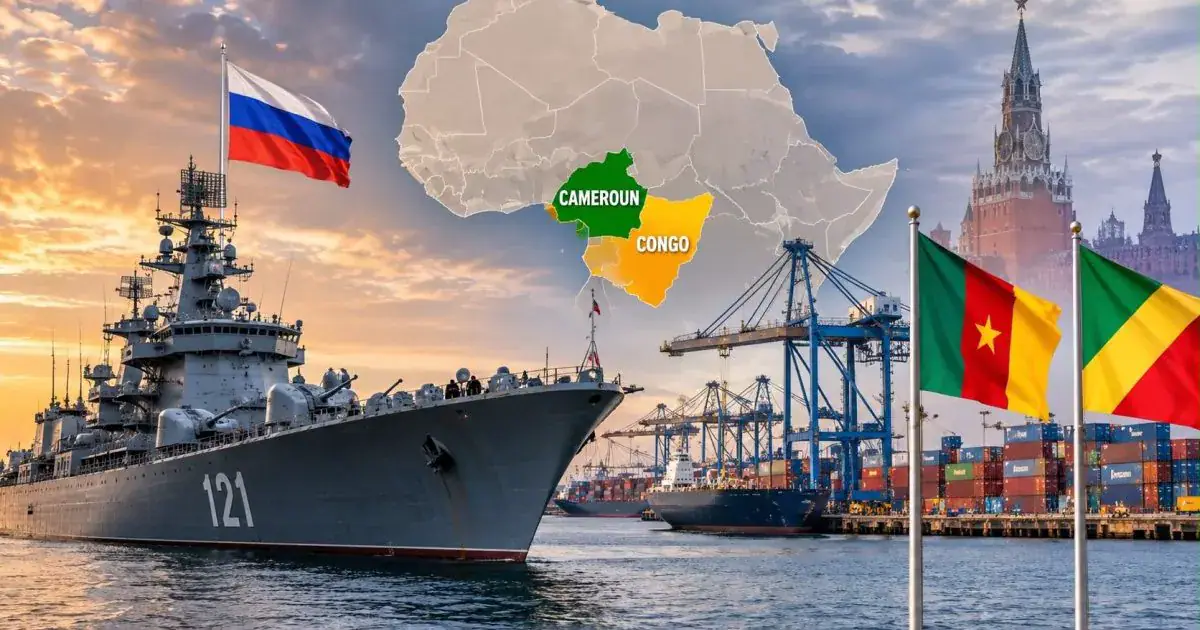
Russia is in talks with Cameroon and the Republic of Congo to secure access to their ports for its military ships. This development has raised questions about the strategic implications of such an arrangement. According to reports, Russian Prime Minister Mikhaïl Michoustine signed two decisions on October 30, 2026, to initiate negotiations with the two African countries on reciprocal access to their ports for military vessels. The proposed protocols would allow for refueling, repairs, and crew accommodations.
The negotiations come as Russia seeks to expand its presence in the Atlantic and bolster its military cooperation with countries in the Sahel region. The Gulf of Guinea, where Cameroon and Congo are located, is a strategic maritime area with significant commercial and energy flows. By securing access to ports in the region, Russia aims to enhance its naval capabilities and project power in the Atlantic. This move is seen as part of a broader strategy to consolidate Russia's military presence on the African continent.
The potential agreement would allow three Russian military ships to dock at a time in the ports of Cameroon and Congo, with an initial duration of five years. Russia's interests in the region are not limited to naval cooperation, as it also seeks to support its military operations in the Sahel. The landlocked countries of Mali, Burkina Faso, and Niger, which are part of the Alliance of Sahel States, rely on ports in the Gulf of Guinea for logistics and supplies.
The ports of Cameroon and Congo could serve as entry points for Russian military equipment and supplies bound for the Sahel region. The port of Conakry in Guinea has already played a role in delivering Russian military materiel to Mali. An agreement with Cameroon and Congo would provide Russia with additional logistical options and enhance its ability to project power in the region.
While Russia's strategic interests are clear, the benefits for Cameroon and Congo are less evident. The economic implications of hosting Russian military ships could be significant, with potential revenue generated from port fees, fuel sales, and other services. Local businesses may also benefit from providing technical and logistical support to Russian vessels. However, the terms of the proposed agreement remain unclear, including the specific ports involved, the number of annual visits, and the fees applicable.
From a military perspective, Cameroon and Congo may see an opportunity to deepen their cooperation with Russia through training, naval exercises, and access to technical expertise. A recent visit by the Russian training ship Perekop to Pointe-Noire, Congo, allowed 12 Congolese officer trainees to participate in a maritime training program. Enhanced cooperation with Russia could also contribute to the development of maritime surveillance and anti-piracy capabilities in the region.
However, experts caution that hosting foreign military vessels carries risks and obligations, including potential impacts on sovereignty and financial, technical, and security commitments. Cameroon and Congo will need to carefully negotiate the terms of any agreement, including tariffs, liability, and crew welfare. The deals will require precise commitments, funded programs, and evaluation mechanisms to ensure that the benefits are equitably distributed.
Key points
- Russia's negotiations with Cameroon and Congo aim to secure access to their ports for military ships, enhancing its naval presence in the Atlantic and supporting its military operations in the Sahel.
Reporting sources
- Cameroun, Congo, pourquoi Moscou convoite les ports d'Afrique centrale ? · 24 Heures au Bénin