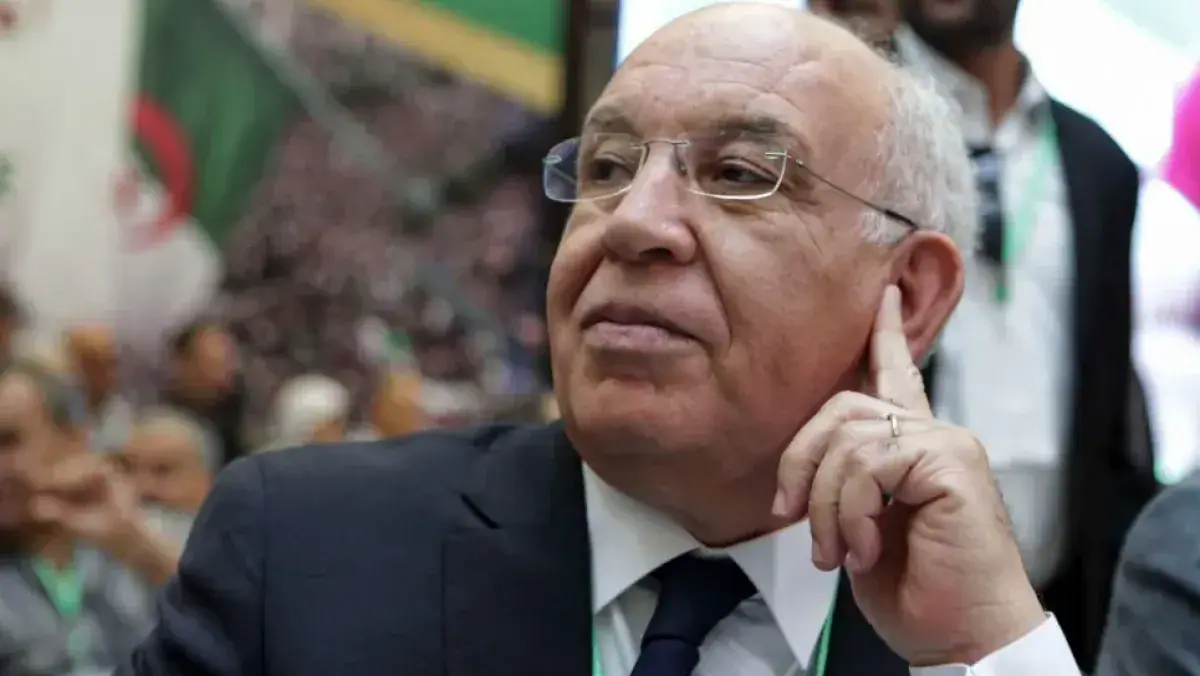
Algeria's former ambassador to Madrid, Abdelaziz Rahabi, has stated that Russia's use of its veto power in the UN Security Council reflects its growing frustration with US unilateralism. Rahabi noted that Russia's decision to use its veto power for the first time in eight years demonstrates its discontent with the US approach to imposing its will by force. This move has significant implications for the Western Sahara conflict.
Rahabi emphasized that Russia's stance on Western Sahara is guided by its strategic vision, which prioritizes the principles of decolonization and self-determination. He noted that Russia's historical support for liberation movements in Africa and its experience in World War II have shaped its approach to international relations. Rahabi also highlighted the importance of building trust among parties involved in the conflict.
The former ambassador outlined three key demands in the Western Sahara conflict, including making Morocco's autonomy proposal the sole basis for negotiation, removing the reference to a referendum from the UN mission's mandate, and treating Sahrawis as refugees rather than a people with the right to self-determination. Rahabi argued that these demands reflect a US and French strategy to legitimize Morocco's control over Western Sahara.
Rahabi linked the developments in Western Sahara to broader security shifts in the region, citing the new military cooperation agreement between Algeria and Niger as a preventive measure against a strategy that threatens Algeria's territorial integrity. He also discussed the role of international and regional powers in shaping the region's future, including the US, Israel, and the United Arab Emirates.
Rahabi analyzed China's position on Western Sahara, noting that its abstention from voting reflects its diplomatic approach and commitment to self-determination. He suggested that China's stance may have been influenced by pressure from Morocco's Arab allies but emphasized that China remains committed to the principles of decolonization and self-determination.
The former ambassador expressed disappointment with the limited engagement of BRICS countries on issues related to decolonization and self-determination, despite their historical ties to anti-colonial movements. Rahabi also criticized European countries, including France, Britain, and Greece, for their voting patterns in the Security Council, which he argued undermines their rhetoric on human rights and international law.
Rahabi concluded by emphasizing the importance of the UN Mission for the Referendum in Western Sahara (MINURSO) and the need for its continued presence in the region to ensure the protection of Sahrawi civilians and the implementation of the 1991 ceasefire agreement. He also suggested that the debate on Western Sahara may shift to the UN General Assembly, where all member states have an equal voice.
Key points
- Russia's veto power reflects growing frustration with US unilateralism in Western Sahara.
- The conflict is influenced by broader regional security shifts and international power dynamics.
- The UN Mission for the Referendum in Western Sahara plays a crucial role in maintaining peace and stability in the region.