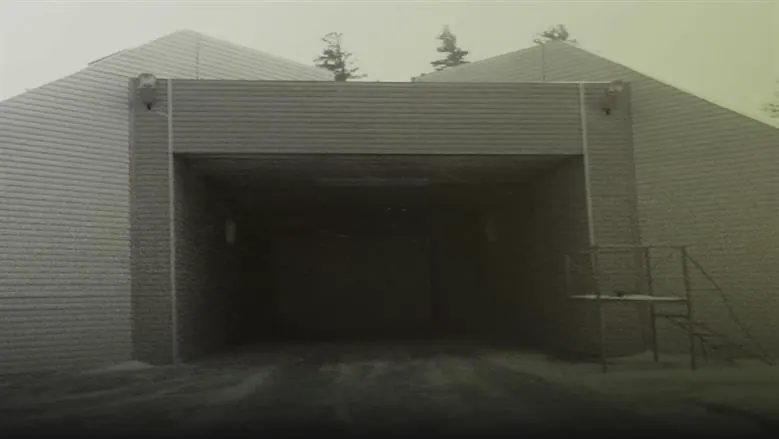
A recent investigation by The Sunday Times, Danwatch, and the Dossier Center has revealed extensive construction work at a secret Russian facility within the Ural Mountains. The site, known as 'Facility 1335' or 'Perimeter,' is associated with Russia's nuclear command system, dubbed the 'Dead Hand' in the West. This system was designed to ensure a retaliatory nuclear strike in the event of a massive attack on Russia's command centers.
The 'Dead Hand' system originated during the Cold War, driven by Soviet fears of a surprise nuclear attack from the United States. In response to the perceived threat, the Soviet Union developed a backup command system to guarantee a nuclear response even if its leadership was incapacitated. The system, developed by the Yuzhnoe design bureau in Dnipro, Ukraine, underwent its first tests in 1979 and became operational in 1989.
The 'Dead Hand' system relies on a network of command centers and control systems that collect and analyze various indicators of a potential nuclear attack, including seismic activity, radiation levels, and military communications. If these indicators suggest a nuclear attack and communication with the general staff is lost, the system can transfer control to authorized personnel, enabling a retaliatory strike.
While often described as an automated nuclear launch system, the 'Dead Hand' is not a standalone device that decides to initiate a nuclear war. Instead, it is designed to ensure that retaliatory orders reach Russian forces if command centers are destroyed. The system's modern capabilities and precise decision-making process remain classified.
The 'Dead Hand' system is part of Russia's broader nuclear deterrent, which includes intercontinental ballistic missiles, nuclear-powered submarines, and strategic bombers. Its significance lies in its command and control capabilities, ensuring that Russia can respond to a nuclear attack even if its leadership and command structures are severely damaged.
Russian President Vladimir Putin has been investing in the modernization of the country's nuclear forces, including the 'Dead Hand' system. This move has raised concerns among Western nations, particularly in light of the ongoing conflict in Ukraine. The revival of this Cold War-era system has sparked debate about the potential risks and implications of its deployment.
The international community remains vigilant about the potential risks associated with the 'Dead Hand' system. As global tensions continue to rise, the importance of understanding and addressing the implications of such systems grows. The 'Dead Hand' serves as a reminder of the complex and delicate nature of nuclear deterrence in the modern era.
Key points
- The 'Dead Hand' system is a backup command system designed to ensure a nuclear response in the event of a massive attack on Russia's command centers.
- The system relies on a network of command centers and control systems that collect and analyze various indicators of a potential nuclear attack.
- The 'Dead Hand' system is part of Russia's broader nuclear deterrent, which includes intercontinental ballistic missiles, nuclear-powered submarines, and strategic bombers.