As Russia hosts dozens of African leaders in Moscow for a major summit, the issue of recruitment of Africans to fight in Ukraine is expected to be a key topic of discussion. Amnesty International has documented cases of Africans being recruited through deception, coercion, and exploitation of economic hardship, leaving them exposed to combat far from home with little or no choice but to fight. The rights watchdog has called on African leaders to demand an end to the practice.
Amnesty International's African section directors have written an open letter to African leaders ahead of the summit, urging them to confront Russian authorities over recruitment practices that amount to human trafficking under international law. The letter states that African leaders' silence on this issue would be a "profound disservice" to their people. The organization has also called on governments to reject the exploitation of their nationals for foreign military objectives and demand investigations and prosecutions where trafficking involves state officials.
Kenya, one of the countries affected by the recruitment, has tried to engage Moscow formally, but Russia has been vague about its intentions. According to figures presented by Prime Cabinet Secretary Musalia Mudavadi to Parliament, 354 Kenyans are connected to the conflict, with 84 classified as killed or missing in action. However, families have disputed the government's account of the number of Kenyans affected, with the National Intelligence Service earlier putting the number of Kenyans recruited at 1,000.
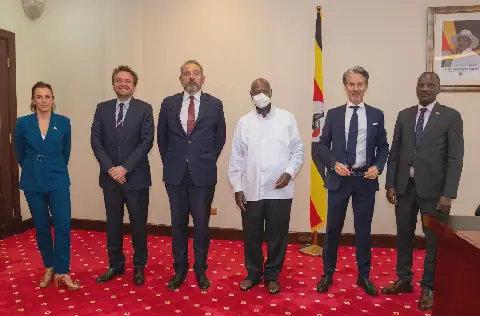
President William Ruto and Prime Cabinet Secretary Musalia Mudavadi are attending the summit, where they will meet Russian officials led by President Vladimir Putin. The Kenya Embassy in Moscow has stated that the government is continuing to engage Russian authorities over the recruitment of Kenyans into foreign armed formations and the welfare of affected families. The embassy has emphasized that the welfare, safety, and dignity of Kenyans abroad are a "paramount and non-negotiable priority."
The Russia-Africa Summit, which takes place on October 28-29, aims to discuss economic ties and humanitarian concerns related to conflicts in the region. However, the official agenda does not explicitly mention Ukraine or the issue of recruitment. Amnesty International has urged African leaders to address these issues directly with Russian authorities and call for an end to the recruitment practices.
Kenya is seeking a formal bilateral labor agreement with Russia to establish safe, transparent, and regulated employment pathways for Kenyan nationals. The proposed agreement would also list areas in which Kenyans cannot be recruited, including recruitment into foreign armed formations. This move is part of Kenya's efforts to protect its nationals and ensure their safety and well-being.
The issue of recruitment of Africans to fight in Ukraine is a key concern for African leaders attending the summit. With many African governments speaking out about the legacy of colonialism and the importance of sovereignty and African agency in international affairs, they must now address this practice that treats nationals of African countries as a commodity for other countries' military objectives.
Key points
- Amnesty International has documented cases of Africans being recruited to fight in Ukraine through deception, coercion, and exploitation of economic hardship.
- Kenya has recorded 354 nationals connected to the conflict in Ukraine, with 84 classified as killed or missing in action.
- African leaders are urged to demand an end to the recruitment practices and call for investigations and prosecutions where trafficking involves state officials.