Russia's electoral infrastructure has come under a barrage of cyberattacks, with over 1,000 distributed denial-of-service (DDoS) attacks reported in recent days. According to Ella Pamfilova, chair of the Central Election Commission, these attacks targeted infrastructure directly linked to the electoral process. DDoS attacks involve flooding a system or website with a large number of electronic requests, rendering it inoperable or severely limiting its response.
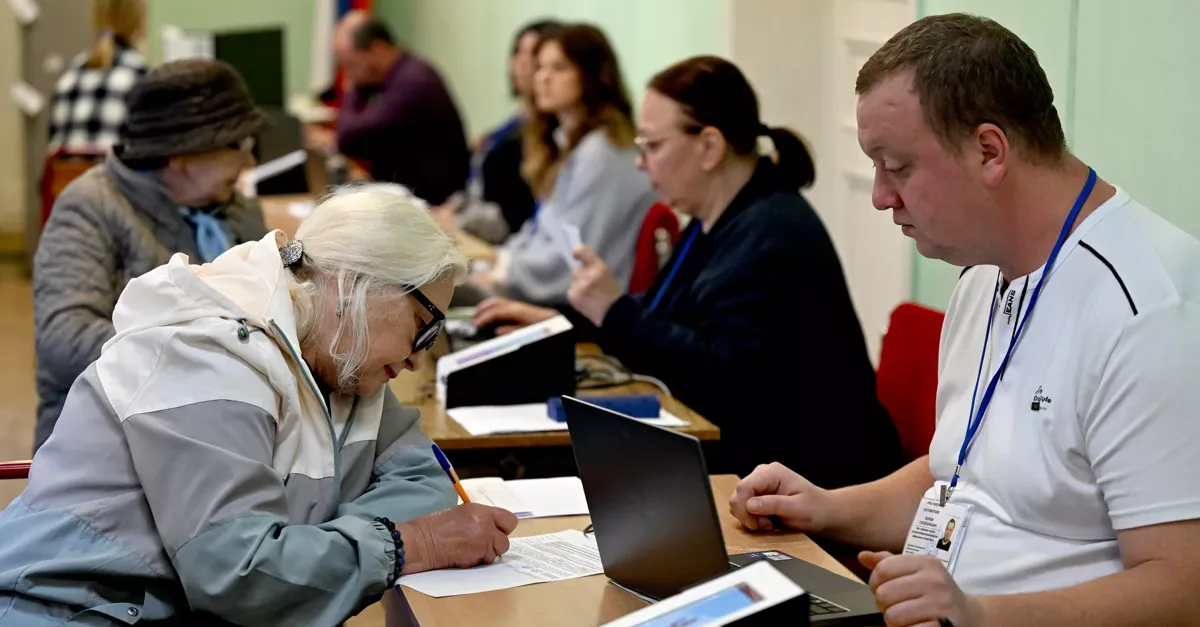
The attacks were reported as voting began for the State Duma, Russia's lower house of parliament, on September 18. The elections, which will run for three days until September 20, are seen as a significant event in Russian politics. President Vladimir Putin has described the elections as an important domestic political event. Over 2,200 election campaigns will take place across various levels on the unified voting day of 2026.
The Central Election Commission has reported that 123 foreign journalists from 31 media outlets have been accredited to cover the elections. These journalists represent countries including Japan, France, Germany, Switzerland, the Netherlands, China, Iraq, Slovenia, the UK, Iran, Egypt, Qatar, Spain, Finland, Azerbaijan, Lebanon, Turkey, and the United States. The commission's chair, Ella Pamfilova, stated that the accreditation reflects the significant international interest in Russia's electoral process.
The elections will see Russians vote for over 20,700 deputies and heads of administration. The voting process is being closely watched, both domestically and internationally. The large number of foreign journalists accredited to cover the event highlights the global attention focused on Russia's electoral process.
According to Pamfilova, the election commission is committed to transparency and openness. The accreditation of foreign journalists is part of this approach. The commission aims to ensure that the electoral process is free and fair.
The Russian electoral process has been the subject of significant attention in recent years, with concerns raised about cybersecurity and the potential for interference. The DDoS attacks reported in recent days highlight the ongoing challenges facing Russia's electoral infrastructure.
The elections will conclude on September 20, with the results expected to have significant implications for Russian politics. The outcome will determine the composition of the State Duma and the leadership of various regional administrations.
Key points
- Over 1,000 DDoS attacks have targeted Russia's electoral infrastructure in recent days.
- 123 foreign journalists have been accredited to cover the elections.
- The elections will see Russians vote for over 20,700 deputies and heads of administration.