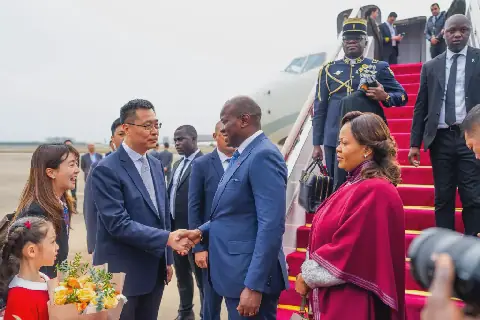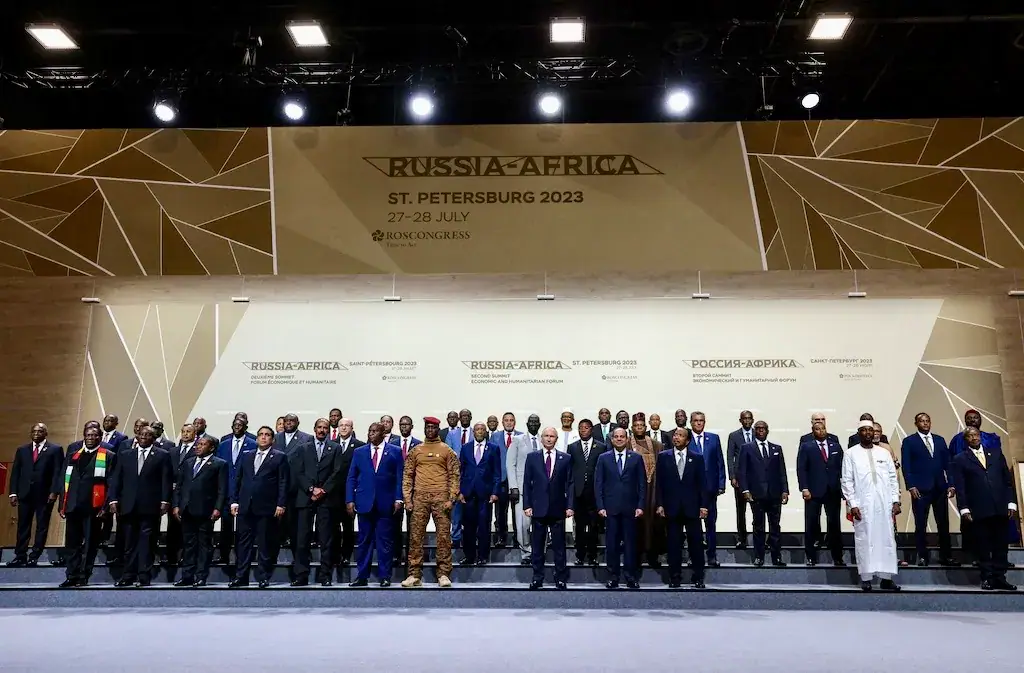
The Russia-Africa summit is set to take place on October 28-29, 2026, in Moscow, with the participation of numerous African heads of state and government. This event follows previous summits held in Sochi in 2019 and St. Petersburg in 2023. The summit will be accompanied by the Russia-Africa Economic and Humanitarian Forum, a geopolitical tool aimed at expanding Russian influence in Africa. The forum will focus on cooperation in vital areas such as industry, agriculture, energy, and infrastructure.
However, Russia's actions have raised concerns about its commitment to Africa. The country's invasion of Ukraine in February 2022 and its ongoing war have led to a significant deterioration in its relations with the international community. Russia's violation of the UN Charter has sparked skepticism among African leaders, who value sovereignty and territorial integrity. The Russian government's claims of promoting a multipolar world order and supporting African development have been met with skepticism.
A significant gap exists between Russia's rhetoric and its actions in Africa. Despite promises to help African countries develop their nuclear energy sectors, only one project has been completed, in Egypt. In other countries, such as Niger, Nigeria, and Uganda, agreements have been signed, but no concrete progress has been made. Russia's cooperation in the security sector has also been limited, with the deployment of mercenaries and paramilitary forces that have failed to stabilize conflict zones.
In several African countries, including those in the Sahel region and the Central African Republic, Russia's security cooperation has been marked by controversy. The deployment of Russian mercenaries has not led to the emergence of modern and autonomous African armies, as promised. Instead, these forces have been involved in predatory activities, such as looting natural resources. Recent incidents, such as the death of Russian mercenaries and Malian soldiers in jihadist attacks, have highlighted the limitations of Russia's security cooperation.
The upcoming Russia-Africa summit will likely be viewed with skepticism by many African leaders, who are aware of the gap between Russia's rhetoric and its actions. The Russian government's diplomatic efforts have focused on promoting cooperation in areas such as industry, agriculture, and energy, but the lack of concrete progress has raised questions about its commitment to Africa. African leaders will likely approach the summit with caution, aware of Russia's track record in Africa and its broader international relations.
The Russia-Africa summit will take place in Moscow, with the Russian government touting its cooperation with Africa. However, the event will be seen as a test of Russia's commitment to the continent, and its ability to deliver on its promises. The summit's outcome will likely depend on the ability of Russian leaders to address the concerns of African leaders and provide concrete evidence of its commitment to cooperation.
Ultimately, the Russia-Africa summit will be an important moment for African leaders to assess Russia's intentions and actions. The summit's success will depend on Russia's ability to demonstrate its commitment to Africa and to deliver on its promises. Key points to watch include the level of participation by African leaders, the concrete outcomes of the summit, and the potential for new cooperation agreements.
Key points
- Russia's actions in Africa have raised concerns about its commitment to the continent.
- The Russia-Africa summit will be a test of Russia's ability to deliver on its promises to Africa.
- The summit's outcome will depend on Russia's ability to address the concerns of African leaders and provide concrete evidence of its commitment to cooperation.