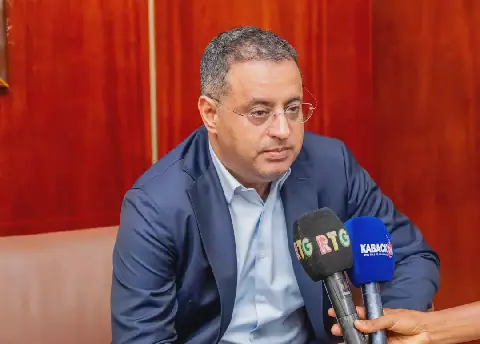
The Russia-Africa summit is currently underway in Moscow, aiming to strengthen Russia's cooperation with African allies. As part of this effort, Russia is offering its nuclear expertise to Togo's energy sector. On October 28, Rosatom, the Russian state-owned company, and Togo's Ministry of Energy signed a memorandum of cooperation on the peaceful use of atomic energy. This agreement was signed by Rosatom's Director General, Alexeï Likhachev, and Togo's Minister of Energy, Robert Koffi Messan Eklo.
The proposed project involves the use of floating nuclear power plants to increase Togo's access to electricity. According to Rosatom, this technology can provide a reliable and low-carbon source of energy. The floating nuclear power plants have distinct characteristics compared to traditional nuclear power plants, as they are built on maritime units with integrated reactors. This allows for easier transportation to suitable sites and reduces the need for land-based infrastructure.
Rosatom has expertise in building floating nuclear power plants, with units capable of reaching 100 megawatts. The company has approached several countries, including Egypt, Namibia, and Tanzania, which have expressed interest in this technology. Togo, with its access to the sea, is well-positioned to benefit from this innovation. However, the project is expected to be a long-term endeavor, requiring validation of several steps and adherence to strict environmental norms.
Before the project can move forward, several factors need to be addressed, including the training of specialists, financing modalities, and the execution calendar. The potential site for the floating nuclear power plant has not been announced. Rosatom and Togo's Ministry of Energy will establish ad hoc working groups to analyze the project's details and ensure its successful implementation.
The use of floating nuclear power plants can help Togo address its energy needs and reduce its reliance on fossil fuels. According to Rosatom, this technology can provide a reliable source of energy while minimizing carbon emissions. The project is expected to contribute to Togo's economic development and improve the living standards of its citizens.
The Russia-Africa summit provides a platform for Russia to strengthen its ties with African countries and explore opportunities for cooperation. The proposed floating nuclear power plant project is a significant development in Russia's efforts to expand its presence in Africa's energy sector. The project's success could pave the way for similar initiatives in other African countries.
The implementation of the floating nuclear power plant project will require close collaboration between Rosatom, Togo's Ministry of Energy, and other stakeholders. The project's progress will be closely watched by the international community, as it has the potential to serve as a model for future energy projects in Africa. The project's environmental and safety implications will also be closely monitored.
Key points
- Russia's Rosatom and Togo's Ministry of Energy have signed a memorandum to explore the use of floating nuclear power plants to boost Togo's electricity access.
- The proposed project aims to provide a reliable and low-carbon source of energy, with Rosatom offering expertise in building floating nuclear power plants.
- The project's success could pave the way for similar initiatives in other African countries, contributing to the continent's energy development and economic growth.