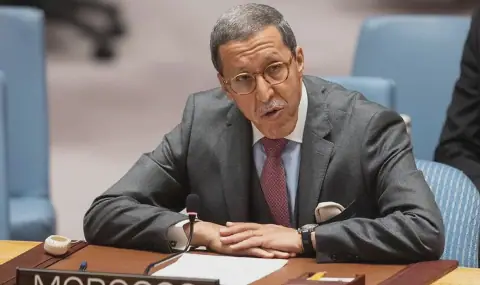
In a move that has heightened tensions, Russia has introduced a rival resolution on Western Sahara, ahead of a UN Security Council vote. This development comes as the international community grapples with the future of the MINURSO mission and the political process in the disputed region. According to sources, Russia's resolution seeks a simple extension of the MINURSO mandate until October 31, 2027, without any changes to its terms or prerogatives.
The Russian resolution reaffirms the pursuit of a just, lasting, and mutually acceptable solution, in line with the UN Charter, particularly the principle of self-determination. This move aligns with reservations expressed by China and Pakistan, who have also voiced concerns over the proposed reorientation of the MINURSO mission. China advocates for maintaining the mission's mandate and name, while Pakistan emphasizes the need for a political solution based on dialogue and consensus.
By presenting a concurrent resolution, Russia appears to be challenging the US-backed proposal, which had been poised for a vote. The Russian initiative may not necessarily aim to impose an alternative resolution but rather to contest the US-led effort, which lacked consensus among Security Council members. This development also provides Russia, China, and Pakistan with additional grounds to justify potential abstentions or vetoes.
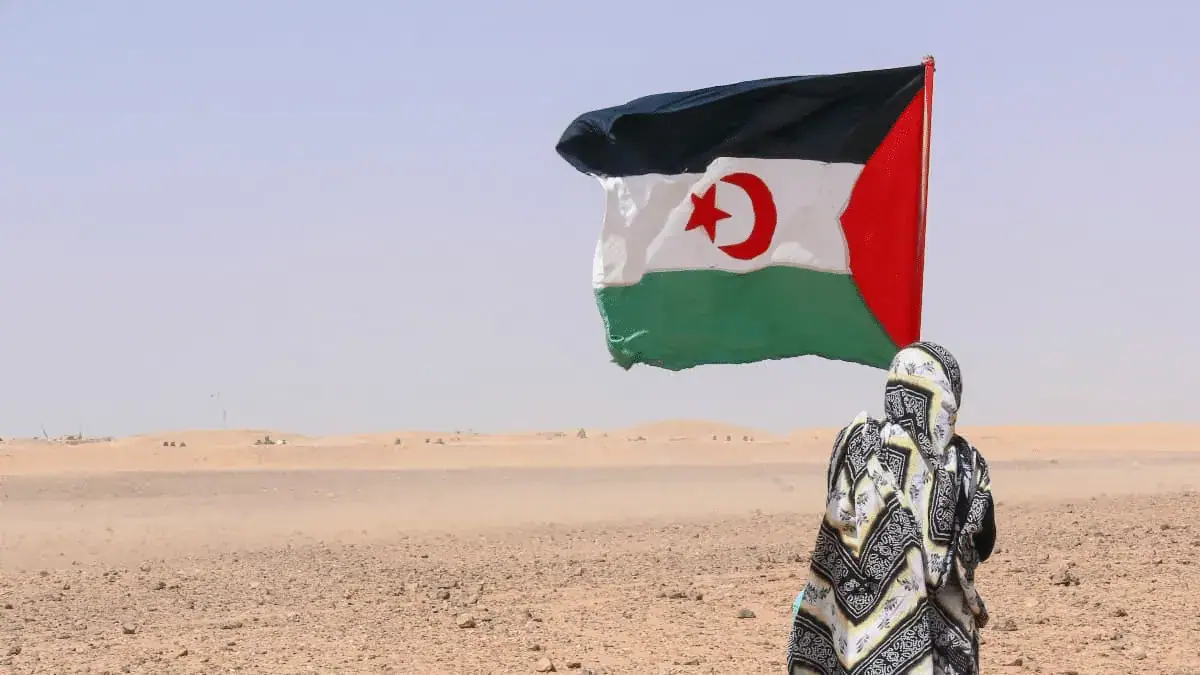
The introduction of the Russian resolution has significant implications for the Western Sahara conflict. The region has been embroiled in a decades-long dispute, with Morocco claiming sovereignty and the Polisario Front pushing for independence. The MINURSO mission, established in 1991, has been tasked with overseeing a ceasefire and facilitating a peaceful resolution.
The UN Security Council has historically been divided on the issue, with some members advocating for a more robust approach to resolving the conflict. The Russian resolution's emphasis on self-determination and a negotiated solution reflects the concerns of various stakeholders, including the African Union, which has called for a more inclusive and equitable process.
The rivalry between Russia and the US on this issue underscores the complexities of international diplomacy, particularly in the context of the Western Sahara conflict. As the Security Council prepares to vote, it remains uncertain whether a consensus will be reached or if the divisions will persist. The international community remains closely watching the developments, as a resolution to the conflict remains elusive.
The outcome of the Security Council vote will have far-reaching consequences for the people of Western Sahara and the region as a whole. A failure to reach a consensus may prolong the stalemate, while a unified approach could potentially pave the way for a more meaningful and lasting solution. As the situation unfolds, stakeholders will be closely monitoring the actions of the international community.
Key points
- Russia submits rival resolution on Western Sahara ahead of UN Security Council vote
- Resolution seeks simple extension of MINURSO mandate until October 31, 2027
- Move challenges US-backed proposal, reflects divisions within Security Council