Russian missile and drone attacks killed at least two people in Kyiv on Thursday, according to President Volodymyr Zelensky. The Ukrainian capital was rocked by multiple powerful explosions after authorities issued a missile alert. More than 20 blasts were heard, with the Ukrainian Air Force warning that Russian ballistic missiles were headed for the city. Zelensky wrote on Telegram that the main targets of the attack were Kyiv and civilian infrastructure, including residential buildings, a maternity hospital, energy facilities, and logistics.
The strikes came as Zelensky was meeting members of the US Congress as part of his trip to the United States to request stronger sanctions against Moscow. In a message on X, Zelensky noted that Russia will not end the war without pressure. Kyiv Mayor Vitaly Klitschko wrote in a Telegram message that the capital was under ballistic missile attack and urged residents to remain in shelters. The barrage was the latest in an intensifying exchange of long-range attacks, with both Kyiv and Moscow signalling at the UN that they will escalate strikes.
Kyiv residents are bracing for a harsh winter, with the shadow of last winter's experience hanging over the city. Russian forces struck the country's power and heating infrastructure, plunging Kyiv into darkness and bitter cold for weeks when temperatures dropped as low as -20C. Oleksandra Matveieva, founder of a Facebook group for mothers, said people are making plans in case Russian strikes knock out the energy system again. Her group, Travel Mama Club, has seen a surge in publications concerning accommodation in relatively safer western Ukraine or abroad.
Russia has stepped up its attacks on Kyiv over the past month, with air raid alerts urging locals to seek shelter due to incoming drones and missiles now a nightly and daily occurrence. The alerts paralyse life across the city, especially in schools and hospitals, which follow strict safety protocols. UN investigators warn that escalating infrastructure attacks by both Russia and Ukraine are leaving civilians increasingly vulnerable as winter approaches.
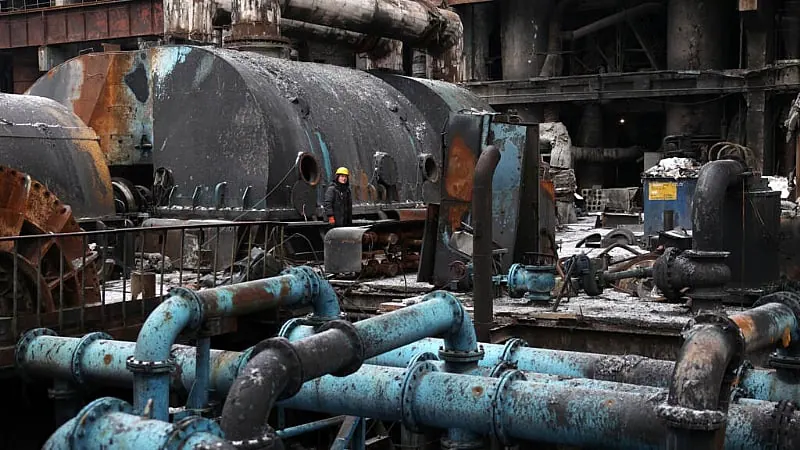
Ukrainian authorities have rushed to reinforce the battered energy system, with the energy ministry saying the country has already repaired 4.8 gigawatts of generating capacity and plans to restore or build over 10 gigawatts this year. The International Energy Agency said Ukraine had about 38 gigawatts of despatchable power generation capacity before Russia's full-scale invasion in February 2022. Last winter, demand peaked at 18GW, while the capacity had dropped to 11GW after years of attacks.
Kyiv mayor Vitaly Klitschko has said the city completed 80 percent of its preparations ahead of winter. The CEO of Ukraine's main gas provider Naftogaz, Sergiy Fedorenko, acknowledged Russia's strikes were "stronger, broader, more dangerous" but said the company had prepared for this and would withstand the blows over the difficult winter. Ukraine's Energy Minister Denys Shmygal expressed fears that Russia may seek to destroy water supplies.
Residents are making their own preparations, dusting off generators, portable batteries, and hot water bottles they relied on last year. Some hold on to the hope that the weather will be milder this year. Matveieva said if it's cold again, she will leave Kyiv with her daughter. The situation remains dire, with Kyiv residents weighing up whether to endure a repeat of last winter's experience.
Key points
- At least two people killed in Russian missile and drone attacks on Kyiv
- Kyiv residents bracing for harsh winter as Russian strikes intensify
- Ukrainian authorities rushing to reinforce energy system ahead of winter