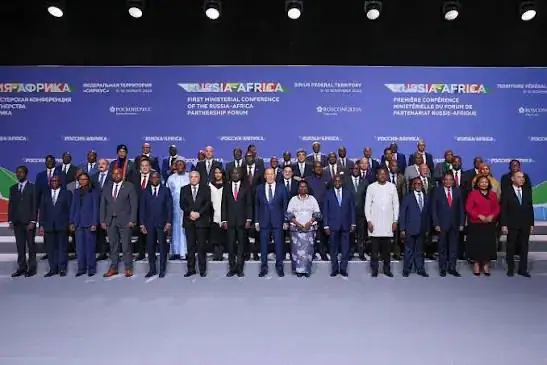
The third Russia-Africa summit is set to take place in Moscow on October 28-29, 2026, amidst a backdrop of uncertainty and questioning about Russia's role in Africa. The event is expected to bring together delegations from various African countries, but the climate is far from ideal. Russia is currently facing increased scrutiny over its actions in Ukraine and its ability to ensure security in the region.
Russia has been hit by a series of drone attacks from Ukraine, with 630 drones launched towards Moscow between October 21-22. The attacks have caused significant disruptions to the country's air traffic, with flights being cancelled or delayed, and restrictions put in place. The Russian authorities have initiated an emergency plan, which includes the closure of airspace and the destruction of any unidentified objects in the air.
The drone attacks have also targeted key infrastructure, including data centers. A recent attack on Yandex, a major Russian technology company, caused significant damage, with traffic dropping by 94%. The attack aimed to disrupt Moscow's digital capabilities, particularly its disinformation campaigns in Africa. The incident has raised concerns about Russia's ability to protect its own infrastructure and provide security to its partners.
The theme of the summit, "Developing together a mutually beneficial cooperation and the potential of each African country," has been met with skepticism. Critics argue that Russia's actions in Africa have been focused on consolidating military regimes, rather than promoting democracy or economic development. In countries where Russia has a significant presence, such as those in the Sahel region, democratic institutions have been undermined, and opposition parties have been silenced.
The summit's program includes discussions on sovereignty, economic development, and humanitarian cooperation. However, the agenda has been criticized for being overly ambitious, with some arguing that it is unrealistic to expect significant progress on these issues in just two days. The event will also feature panels on technologies and innovations for improving the quality of life, but the focus on these issues has been overshadowed by concerns about Russia's own security and credibility.
The presence of Russian mercenaries, such as those from the Africa Corps, has also raised concerns about Russia's true intentions in Africa. The group's activities have been criticized for perpetuating a form of neocolonialism, with some arguing that they are more interested in exploiting Africa's resources than in promoting development or security.
As the summit gets underway, it remains to be seen whether Russia can address the concerns of its African partners and demonstrate its commitment to mutually beneficial cooperation. However, with the shadow of the Ukraine conflict and internal security concerns looming large, it is clear that Moscow faces an uphill task in convincing others of its credibility.
Key points
- Russia is hosting the third Russia-Africa summit amidst concerns about its credibility and security.
- The summit's agenda includes discussions on sovereignty, economic development, and humanitarian cooperation.
- Critics argue that Russia's actions in Africa have been focused on consolidating military regimes, rather than promoting democracy or economic development.