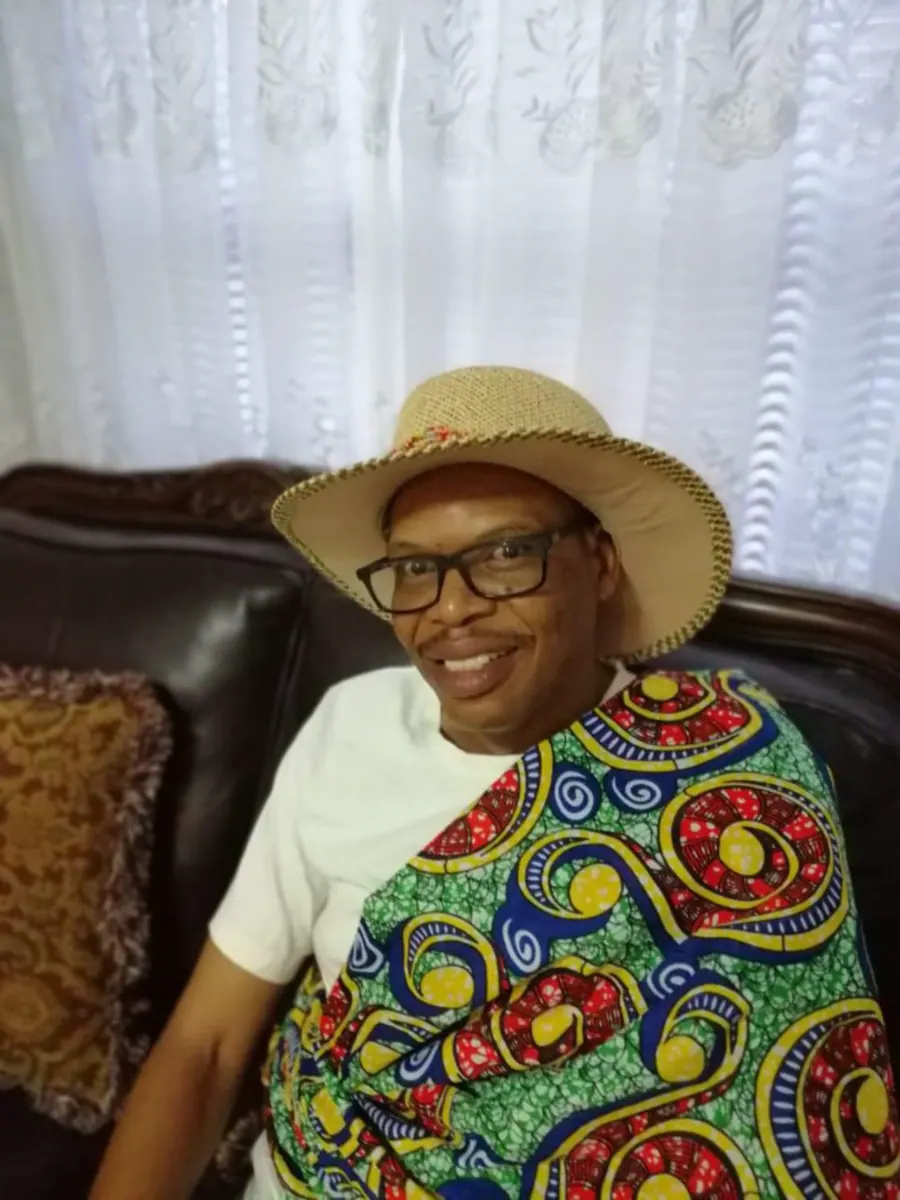
Dr. Mabila Mathebula, an author and life coach, has emphasized the need for rural development to go beyond electioneering promises. In a recent event, the Bareki Community in Limpopo Province received reconfigured title deeds from Deputy Minister of Land Reform and Rural Development, Mr. Stanley Mathabatha. While the title deeds were a positive step, the community still faces significant challenges, including poverty, unemployment, and lack of access to basic services.
The Bareki Community, comprising several villages, including Mokgwaneng, Mamaneng, Matatadibeng, and Ditholeng, has been struggling with underdevelopment. The community's history dates back to the 1950s when migrant workers bought land under challenging circumstances. Despite having title deeds, the community lacks hard infrastructure, including water and proper roads. The community has been without water since last November due to a dispute between the Sekhukhune District Municipality and Dr JS Moroka Local Municipality.
The lack of access to basic services has resulted in significant hardship for the community. Residents spend approximately R1,000 per month on water, buying it from individuals who own boreholes. The community has expressed frustration with the government's approach to rural development, which they believe is often driven by electioneering considerations rather than a genuine desire to address their challenges.
Experts and community leaders have emphasized the need for a more holistic approach to rural development. Dr. Patrice Motsepe of the Motsepe Foundation has highlighted the importance of supplementing education, training, and work experience with cultural background and community values. Similarly, the Nation of Islam's Most Honourable Elijah Mahammad proposed a 'workfare'-centered approach to uplifting his community, focusing on economic empowerment and self-sufficiency.
The South African government has been criticized for its approach to rural development, which some argue is outdated and ineffective. The idea that the government can engineer a social revolution through social grants and housing policies has been questioned. Charles Handy, a renowned management expert, has noted that bureaucratic rigidity and inability to harness people's energies and enthusiasm can lead to paradigm paralysis.
The concept of citizenship and the role of citizens in a democratic society have been highlighted as crucial in addressing rural development challenges. Learners are taught citizenship in Life Orientation, but leaders often treat citizens as subjects rather than active participants in the development process. To become active citizens, people must see the results of their votes and have opportunities to make a difference.
The handing over of title deeds to the Bareki Community is a step in the right direction, but much more needs to be done to address the community's fundamental challenges. As Adam Smith, a moral philosopher and economist, noted, great nations are not impoverished by private prudence but by public prodigality and misconduct. The South African government must take a more holistic and sustainable approach to rural development, prioritizing the needs and concerns of rural communities.
Key points
- The Bareki Community in Limpopo Province faces significant development challenges, including poverty, unemployment, and lack of access to basic services.
- A more holistic approach to rural development is needed, prioritizing community values, economic empowerment, and self-sufficiency.
- The South African government must address the concerns of rural communities and move beyond electioneering promises to deliver sustainable and effective rural development.