Mark Steele, vice-president of RSPCA New South Wales, has resigned from the animal welfare organisation, citing his deep shame over the welfare standards for RSPCA-certified chicken. Steele, a volunteer board member since 2021 and former non-executive director of RSPCA Australia, announced his decision on LinkedIn, effective at the end of September. He expressed his concerns over the RSPCA's association with the chicken meat industry, which slaughters around 800 million chickens annually.
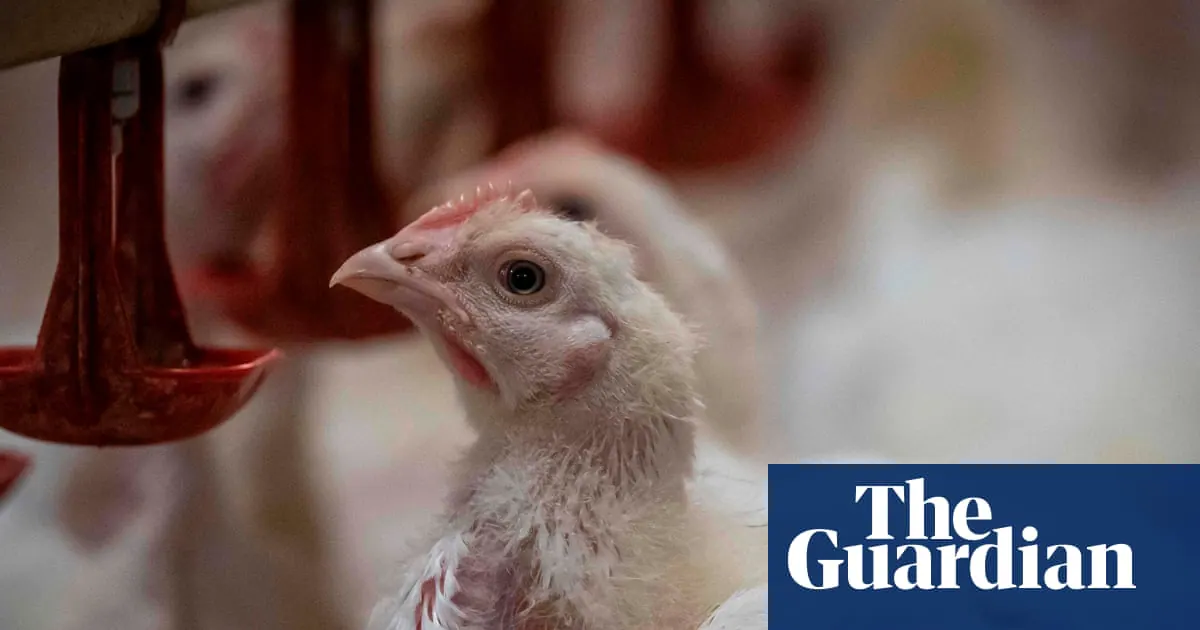
Chicken consumption in Australia has doubled over the past 30 years, with the average person consuming around 55kg per year. Most of these chickens are from fast-growing breeds that reach slaughter weight in just four to six weeks, raising concerns among animal welfare experts about their health due to rapid growth. Steele stated that shoppers likely believe the RSPCA Certified label guarantees a humane life for the birds, but he disagrees. He remarked that a life in such conditions cannot be considered good.
Jed Goodfellow from the Australian Alliance for Animals echoed Steele's concerns, highlighting that fast-growing chickens often face health issues linked to stress on their bodies. He noted that healthier, slower-growing breeds are being adopted in various parts of the world, particularly Europe. Goodfellow suggested that consumers might be willing to pay a little more for better welfare. This comes as the RSPCA upgraded its welfare standards for chicken meat, which will need to be implemented by 1 January 2031 to retain certification.
The new RSPCA welfare standards include changes such as lower stocking densities and reduced light intensity. However, they do not mandate the phasing out of fast-growing breeds. Instead, a voluntary category of "enhanced" welfare standards encourages producers to consider slower-growing breeds. Steele expressed disappointment that the lack of strict requirements means consumers may overlook the welfare concerns associated with fast-growing breeds.
Steele's resignation comes shortly after the RSPCA's decision to upgrade its welfare standards. He stated that until there is a significant change, he remains "sincerely ashamed" of the association between the RSPCA and these meat chickens. The RSPCA Certified label is currently carried by most chicken produced in Australia, suggesting higher welfare standards to consumers.
Melina Tensen, the RSPCA's senior scientific officer, indicated that the organisation aims to encourage a transition to slower-growing breeds. She urged consumers to support this change, as their spending habits send a message to retailers. Tensen's comments highlight the RSPCA's efforts to improve animal welfare, but Steele's resignation underscores the challenges in achieving this goal.
The RSPCA's welfare standards upgrade has sparked a debate about animal welfare in the chicken meat industry. Steele's resignation and Goodfellow's comments highlight concerns about the treatment of fast-growing chickens. The industry's adoption of slower-growing breeds and the RSPCA's voluntary "enhanced" welfare standards may lead to improved welfare conditions, but the effectiveness of these measures remains to be seen.
Key points
- Mark Steele resigns from RSPCA NSW over welfare standards for RSPCA-certified chicken.
- RSPCA upgrades welfare standards for chicken meat, but does not mandate phasing out fast-growing breeds.
- Animal welfare experts and organisations call for improved treatment of chickens in the meat industry.