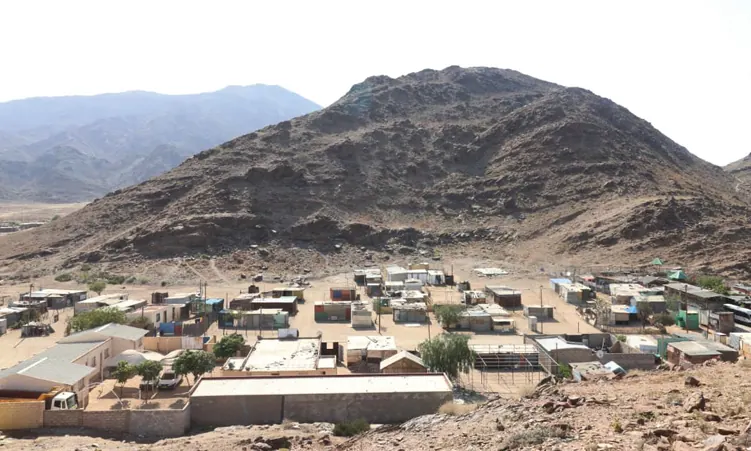
The Tutungeni informal settlement in Rosh Pinah, Namibia, is grappling with a surge in shebeens, with over 50 establishments allegedly operating in the 1,000-household settlement. Roshkor Township (Pty) Ltd, which manages the mining town, confirmed the number to The Namibian. Residents, however, estimate that there are closer to 54 shebeens in the area. The proliferation of these establishments has raised concerns about substance abuse and the involvement of children.
Children in the area are allegedly being paid to clean shebeens, often visiting the establishments shortly after school. Some residents claim that these children also engage in substance abuse, sniffing glue, and drinking alcohol. According to Immanuel Gomachab, a 54-year-old Tutungeni resident, some young people drink late into the night, while others clean shebeens during early morning hours to avoid detection. This has created a worrying trend, with some children not getting enough sleep.
The presence of children at shebeens has become a pressing concern for residents, who argue that it exposes them to alcohol and drug use. An anonymous resident stated that the number of shebeens in the area has resulted in schoolchildren spending time at these venues, particularly those operating into the early hours of the morning. The resident emphasized that the issue is compounded by the fact that some parents also drink, making it challenging to keep children away from substance abuse.
Discussions have taken place about a possible programme involving the Ministry of Gender Equality and Child Welfare to help the children. However, it is unclear how far these efforts have progressed. Gomachab expressed concern about the impact of substance abuse on young people, stating that they are engaging in high-risk behaviors. The situation has sparked worries about the long-term effects on the community.
Constituency councillor for Oranjemund and ||Kharas Regional Council member Nestor Sheimi acknowledged the issue of mushrooming shebeens, stating that it is a concern for leaders. He emphasized that the community should be encouraged to pursue alternative forms of income generation. Sheimi noted that the management of Rosh Pinah falls under Roshkor, and liquor licences are handled by the liquor licensing authorities.
Roshkor Township (Pty) Ltd acknowledged concerns about the number of shebeens in Tutungeni but stated that regulating them is difficult. The company attributed the proliferation of shebeens to residents' struggles to find employment, leading them to establish businesses. Roshkor emphasized that the community and authorities need to work together to address the problem.
Roshkor suggested that limiting the issuing of liquor licences could be a potential solution to the problem. The company expressed willingness to collaborate with stakeholders to find a way to mitigate the negative impacts of the shebeens on the community. Meanwhile, efforts to steer young people away from substance abuse and petty crime continue, with a local football academy reported to be working with the community in 2025.
Key points
- Over 50 shebeens operate in Rosh Pinah's Tutungeni informal settlement
- Children are allegedly paid to clean shebeens, exposing them to substance abuse risks
- Residents and authorities are exploring solutions to regulate shebeens and provide alternative income opportunities