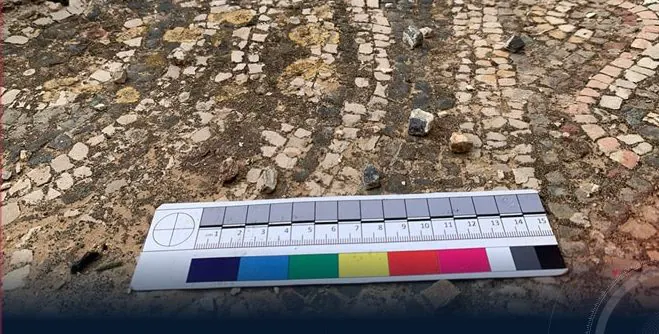
In a recent conservation effort, Roman bath mosaics in Sabratha, Libya, have been reburied to safeguard them from weather exposure and plant growth. The site, known for its ancient Roman ruins, features delicate mosaic floors that have been covered to ensure their preservation. The reburial process, which took place over five days in April 2025, was led by British researcher Will Wootton and his team in cooperation with the Department of Antiquities.
The reburial method involved covering around 150 square meters of mosaic floors with layers of local soil, sand, and gravel. This approach not only protects the mosaics but also allows for future conservation work if needed. The project was part of the Cultural Heritage Management in Libya initiative, aiming to preserve the country's rich cultural heritage. By replicating the conditions that helped preserve the mosaics underground for centuries, the team hopes to maintain the site's integrity.
The Roman baths in Sabratha featured rooms for cold, warm, and hot water, arranged according to a carefully planned path. The interiors were adorned with wall paintings, stucco decorations, sculptures, and sophisticated mosaics. However, experts found that some sections of the mosaic were so fragile that simply walking over them could cause collapse. To mitigate this, workers trimmed plants instead of removing their roots, avoiding further damage.
To prepare for the reburial, the team fenced the site to strike a balance between conservation and public access. Researchers documented the condition of the floors before covering them and placed open-weave plastic mesh over the most fragile areas. Pots made of clay or wood, and arched clay tiles, protected elevated surfaces from the weight of the covering material. This careful approach ensured the mosaics' safety during the reburial process.
The protective layers consist of about 10 centimeters of local soil directly over the mosaics, 35 centimeters of coarse sand, and about 5 centimeters of gravel. In main rooms, the total covering reached about half a meter. The system allows water drainage and restricts plant growth, providing a suitable environment for the mosaics' preservation. The protective layers can be removed for future study or restoration if needed.
The project required transporting around 76 cubic meters of material, weighing approximately 122 tons, over several days. The total cost was 18,000 dinars for covering six rooms, with about 11 people working on site each day. The project took around 400 hours over four and a half days to complete. Researchers described this as the second documented reburial of mosaics in Libya, providing valuable experience for local heritage staff.
While the reburial process was successful, researchers noted that it is not a permanent solution. The mosaics will still require regular monitoring for signs of plant growth, erosion, or drainage issues. Heavy rain after the intervention did not cause visible problems, but the experts emphasized that the mosaics will need stabilization if expertise and funding become available in the future. Not all areas could be treated, with fragile wall mosaics in two pools left uncovered due to a lack of suitable support materials.
Key points
- The reburial of Roman mosaics in Sabratha aims to protect them from deterioration.
- The project was part of the Cultural Heritage Management in Libya initiative.
- The reburial process allows for future conservation work and provides a practical way to preserve the mosaics.