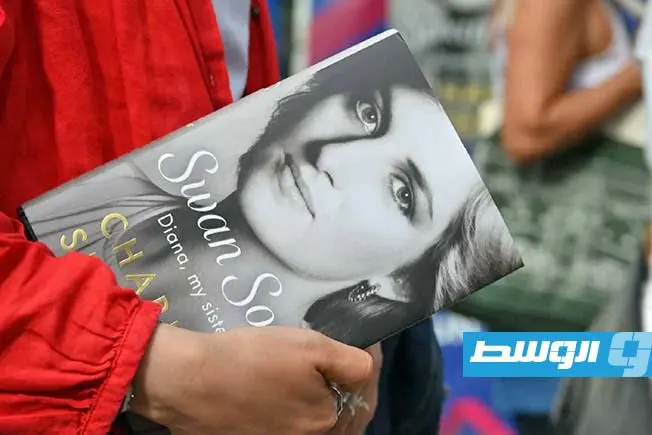
A recent investigation conducted by journalist Robert Hardman has uncovered several inconsistencies and errors in the memoirs of Earl Spencer, brother of the late Princess Diana. The book, titled "A Song of Swans: Diana, My Sister," was released last week and has sparked controversy with its claims about the royal family. Hardman's investigation, published in the Daily Mail, challenges several key assertions made by Spencer.
One of the most significant claims made by Spencer in his book is that King Charles was "delighted" by Princess Diana's death in 1997. However, Hardman cites a source close to the king at the time, who describes Charles's reaction as more akin to shock than jubilation. This source states that the king was in a state of despair, likening it to "the end of the world." This directly contradicts Spencer's account of the king's reaction.
Hardman's investigation also disputes Spencer's claim that Charles told him, "Don't worry, we'll forget her soon enough!" A friend of the king at the time describes Charles's actual response as being the opposite. Furthermore, Hardman points out that Spencer's book contains other factual inaccuracies, such as blaming former Daily Mirror editor Piers Morgan for publishing unauthorized photos of Diana in a gym in 1997.
However, these photos were actually published in 1993, two years before Morgan joined the newspaper. The publishers were forced to issue a formal apology, and Morgan is now seeking damages and calling for the book to be withdrawn. Spencer's book also makes several personal attacks on members of the royal family, including allegations against Prince Philip and Princess Anne.
The book describes the corridors of Buckingham Palace as "antiquated" and "stuffy," claiming that they ignored the wishes of Diana's family when planning her funeral. Spencer specifically mentions that his request to have Mozart's "Requiem Mass" played was rejected on false pretenses. However, Hardman notes that the Dean of Westminster Cathedral was actually the one who rejected the request.
Hardman's investigation also sheds light on other disputed claims made by Spencer, including allegations that Prince Philip "stole" artwork from artist Edward Seago and that Charles subjected him to psychological manipulation. The investigation highlights significant discrepancies between Spencer's account and historical records.
Ultimately, Hardman's investigation suggests that Spencer's memoirs prioritize his own narrative over that of his sister, Princess Diana. While the book has been praised for its engaging writing style, it appears to be driven by a persistent grievance against the royal institution and the media.
Key points
- Robert Hardman's investigation reveals several factual inaccuracies in Earl Spencer's memoirs about Princess Diana.
- Spencer's book contains disputed claims about the royal family's reaction to Princess Diana's death and personal attacks on various family members.
- Hardman's findings suggest that Spencer's memoirs prioritize his own narrative over that of his sister, Princess Diana.