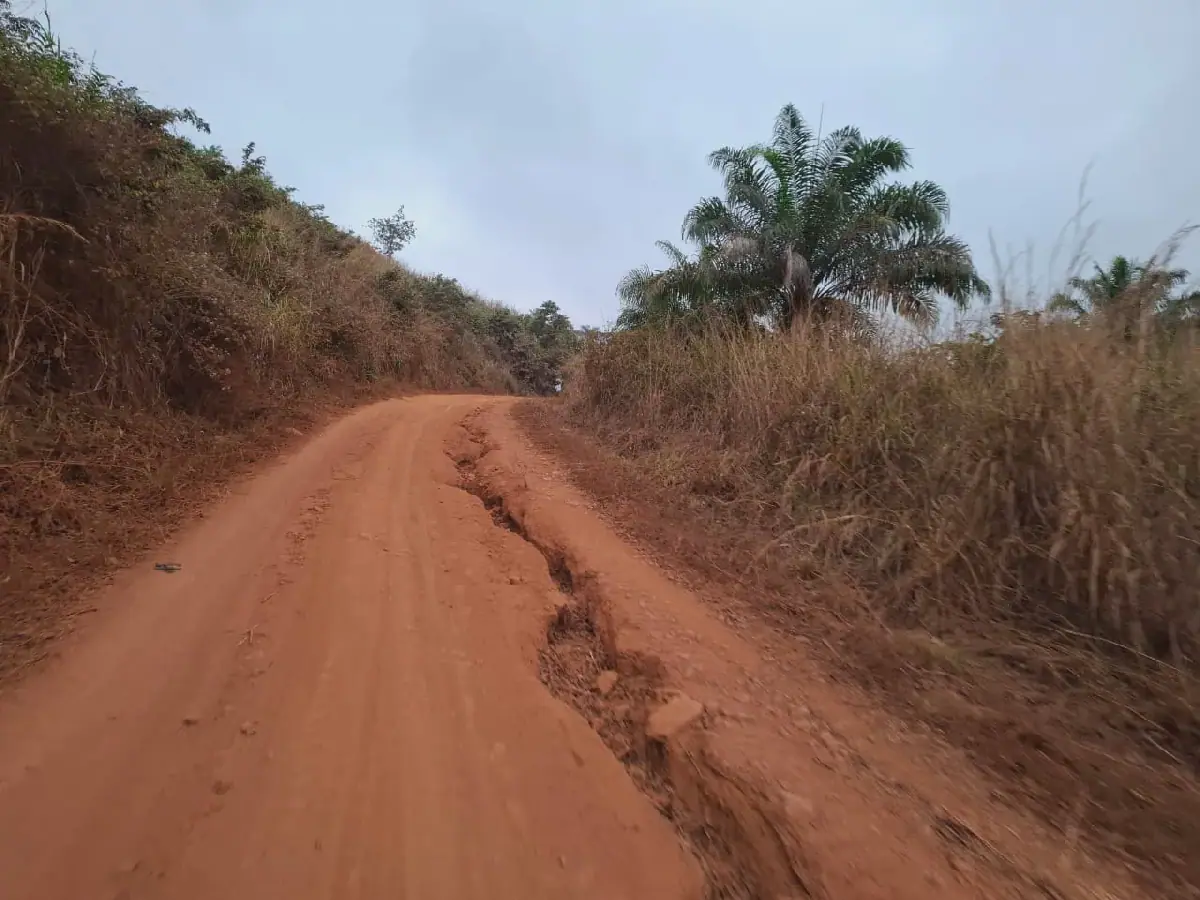
The degradation of 54 kilometers of the Kanyabayonga-Kikuku agricultural road is causing significant disruptions to the local economy and humanitarian efforts in the Democratic Republic of the Congo. The road, which connects several agricultural production areas to major consumption centers in Goma and Butembo, has become increasingly difficult to navigate, particularly during the rainy season. According to the NGO Solidarité communautaire de lutte contre le tribalisme (SOCOLUT-RDC), several sections of the road have become nearly impassable.
The damage to the road has resulted in a substantial increase in transportation costs, making it challenging for transporters to reach certain localities. Those who continue to use the route are forced to reduce their loads to navigate the degraded sections, further exacerbating the issue. As a consequence, food products from the area are becoming scarce in markets in Lubero, Butembo, Rutshuru, and Goma, leading to a rise in prices. This situation is particularly concerning for vulnerable households, who are struggling to access essential goods and services.
The impact of the road degradation extends beyond economic concerns, as access to markets, health centers, and other essential services is becoming increasingly difficult for local populations and displaced persons. Thousands of people have been forced to flee their homes due to conflict, and the degraded road is hindering humanitarian efforts to provide assistance. The SOCOLUT-RDC has expressed concern about the situation, highlighting the need for urgent intervention to rehabilitate the road and repair damaged infrastructure.
A key section of the road, the Malyanga bridge, which connects Kyagha to Kikuku, has suffered significant damage, while the Mukungu bridge, between Mirangi and Kyaghala, is on the verge of collapse. The Iyobora-Mirangi section of the road is almost impassable, further complicating the transportation of people and goods. The degradation of the road has severe consequences for the local economy, which relies heavily on agriculture and trade.
The humanitarian situation in the region is dire, with thousands of displaced persons in need of assistance. The degraded road is hindering the delivery of essential goods and services, including food, medicine, and shelter. The SOCOLUT-RDC is calling on humanitarian partners and development agencies to intervene quickly to address the situation. The rehabilitation of the road and repair of damaged infrastructure are crucial to ensuring the well-being of local populations and displaced persons.
The road degradation is not an isolated issue, as it is part of a broader challenge facing the region. The Democratic Republic of the Congo has struggled with infrastructure development and maintenance, particularly in rural areas. The situation highlights the need for sustained investment in infrastructure development and maintenance to support economic growth and humanitarian efforts.
The SOCOLUT-RDC is urging stakeholders to take immediate action to address the situation. The organization emphasizes that the rehabilitation of the road and repair of damaged infrastructure are critical to ensuring the well-being of local populations and displaced persons. The international community is being called upon to provide support to alleviate the suffering of those affected by the road degradation and to help restore stability to the region.
Key points
- Road degradation disrupts local economy and humanitarian aid in DR Congo
- Thousands of displaced persons affected by road degradation and lack of access to essential services
- SOCOLUT-RDC calls for urgent intervention to rehabilitate the road and repair damaged infrastructure