South Sudan's Reconstituted Joint Monitoring and Evaluation Commission (RJMEC) has called on parties to the 2018 peace agreement to engage in an inter-party dialogue to build consensus on elections and resolve outstanding political issues. The dialogue, set to begin on September 24, aims to produce an inclusive and practical path towards elections and the conclusion of the transitional period. RJMEC emphasized the importance of commitment to the Revitalised Agreement on the Resolution of the Conflict in South Sudan (R-ARCSS) in the current phase.
The inter-party dialogue was initially scheduled for September 17 but was postponed by the Ministry of Cabinet Affairs. The talks come amid deepening political disagreements over the conduct and legal framework for elections scheduled for December 22. President Salva Kiir recently signed amendments to the National Elections Act into law, removing requirements that had linked the holding of elections to the completion of a permanent constitution and a national census. The main opposition coalition has rejected these changes.
RJMEC's call for dialogue echoes a decision by the Intergovernmental Authority on Development (IGAD) at its 74th extraordinary session. IGAD reaffirmed the 2018 peace agreement as the framework for peace in South Sudan and called for inclusive dialogue to establish a consensual path towards the December elections. The dialogue is expected to address various election-related issues, including political representation, constituency boundaries, and mechanisms for resolving electoral disputes.
Some opposition groups have questioned the format of the talks. RJMEC also urged the parties to complete outstanding provisions of the peace agreement, including security arrangements, judicial reforms, and transitional justice. The commission noted that the parties had agreed in September 2024 to extend the transitional period by two years to February 2027 and to hold elections in December 2026.
The elections aim to end a transition established under the 2018 peace agreement, but preparations have been complicated by delays in implementing key provisions of the deal and continuing political and security tensions. RJMEC's latest assessment stated that the peace process remained under significant strain and that a political and security impasse had weakened trust among the parties.
With three months remaining before the scheduled vote, RJMEC urged the parties to use the dialogue and other mechanisms under the peace agreement to resolve outstanding differences. The commission emphasized the importance of an inclusive and practical path towards elections. South Sudan has never held a nationwide election since gaining independence in 2011.
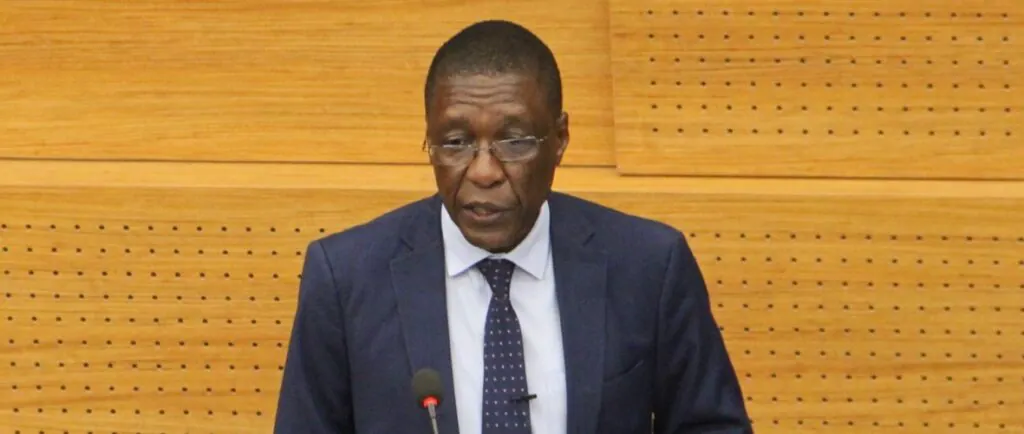
The inter-party dialogue is expected to address a range of issues, including campaign and election financing, security for candidates and rallies, and voter registration. RJMEC's Interim Chairperson, Gen. George Aggrey Owinow, has emphasized the need for commitment to the peace agreement. The parties must work together to ensure a peaceful and credible electoral process.
Key points
- RJMEC urges parties to use inter-party dialogue to resolve election disputes ahead of December vote.
- The dialogue aims to produce an inclusive and practical path towards elections and the conclusion of the transitional period.
- The peace process remains under significant strain due to delays in implementing key provisions of the 2018 peace agreement.