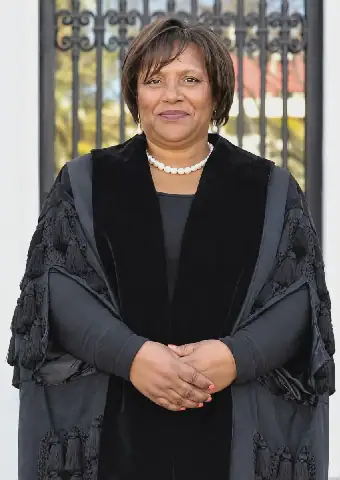
Risk management is an essential aspect of life that everyone must prioritize. According to Alberta Quarcoopome, a risk management expert, it is crucial for individuals to recognize that risk is a constant companion that can manifest anywhere. In her column, "Risk Watch," Quarcoopome stresses that individuals must be proactive in managing risks to prevent them from escalating into crises. She encourages readers to utilize their unique abilities to help others and pass on blessings.
Quarcoopome's message is rooted in biblical teachings, citing 1 Peter 4:10, which emphasizes the importance of using one's special abilities to help others. This approach to risk management highlights the significance of community and collective responsibility. By working together, individuals can mitigate risks and create a safer environment for everyone. Quarcoopome's column aims to educate readers on the importance of risk management and provide them with practical advice on how to navigate various risks.
The concept of risk management is particularly relevant in Ghana, where the country is grappling with economic recovery and job creation. The issue of job creation is critical, especially for the growing population of young people entering the labor market. Related articles in the Business and Financial Times highlight the challenges Ghana faces in creating jobs quickly enough to absorb its growing population. Effective risk management can play a crucial role in addressing these challenges.
Quarcoopome's emphasis on collective responsibility is echoed in various articles in the Business and Financial Times. For instance, a recent article on financial security highlights the need for innovative solutions to address Ghana's economic challenges. Another article on the business of being human stresses the importance of storytelling in selling products and services. These articles demonstrate the interconnectedness of risk management, economic development, and community well-being.
The importance of risk management extends beyond economic development to various aspects of life, including technology and governance. For example, the increasing use of mobile money in Ghana has introduced new risks, such as MoMo fraud. Experts are exploring ways to mitigate these risks, including the use of AI-enabled solutions. Effective risk management is critical in preventing crises and ensuring that organizations and individuals can operate safely and efficiently.
In addition to technological risks, effective governance is also crucial in managing risks. A recent article on political accountability and transparency highlights the importance of parliamentary majority in ensuring that governments are accountable to their citizens. Risk management is an essential aspect of governance, as it enables governments to anticipate and mitigate potential crises. By prioritizing risk management, governments can create a more stable and secure environment for their citizens.
Ultimately, risk management is a collective responsibility that requires the participation of individuals, organizations, and governments. By working together, stakeholders can create a safer and more secure environment for everyone. As Quarcoopome emphasizes, everyone has a role to play in managing risks and preventing crises. By prioritizing risk management, Ghana can build a more resilient and sustainable future for its citizens.
Key points
- Risk management expert Alberta Quarcoopome stresses that risk management is a collective responsibility that requires the participation of individuals, organizations, and governments.
Reporting sources
- Top Stories | November 9, 2026 Risk Watch with Alberta QUARCOOPOME: Risk management is everybody’s business (1) · Business and Financial Times