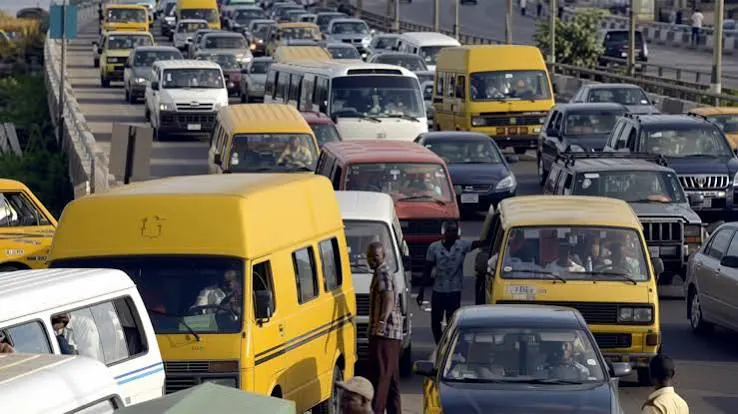
The increasing cost of transportation in Nigeria is forcing some workers to spend nights in their offices during the working week. This trend is being reported in major cities such as Abuja, Lagos, Port Harcourt, and Benin City. Workers are resorting to sleeping in their workplaces to reduce daily transportation expenses, which are putting additional pressure on already stretched household incomes.
Affected workers arrive at their offices with small bags containing clothes, food, and bedding, effectively turning their workplaces into temporary residences. They return home on Friday evenings and travel back to work on Monday mornings. This practice has become a norm for some civil servants and private-sector employees who are struggling to cope with the rising cost of commuting.
One worker shared that the cost of commuting had become difficult to sustain on his salary. He spends over N3,000 daily on transport, which is a significant portion of his earnings. Sleeping in the office is not comfortable, but it is better than spending all his pay on bus fare. This sentiment is shared by many workers who are facing similar financial pressures.
The practice of sleeping in the office has taken on the character of living at the workplace. Workers cook, bathe, and perform other daily activities in the office, making it a temporary home. This development highlights the growing financial pressure facing workers as transportation costs continue to consume a significant portion of their earnings.
For workers who commute long distances, daily transport expenses can amount to tens of thousands of naira each month. This is a significant burden, especially for those with limited incomes. The financial pressure is affecting not only workers but also their families, who are struggling to cope with the rising cost of living.
Workers are appealing to the Organized Labour and relevant bodies to address the current hike in pump prices and other adverse economic factors affecting the living standards of Nigerians. If these issues are not addressed, the development could take a toll on family life. The situation is becoming increasingly difficult for workers, and a solution is needed urgently.
The rising cost of transportation is a major challenge facing many Nigerians. The situation is affecting workers, families, and the overall economy. A report by The Nigerian Observer highlights the need for urgent action to address the issue and mitigate its impact on the lives of Nigerians.
Key points
- Workers are spending nights in offices due to rising transport costs.
- The practice of sleeping in offices has become a norm for some civil servants and private-sector employees.
- Workers are appealing to the Organized Labour and relevant bodies to address the current economic challenges.