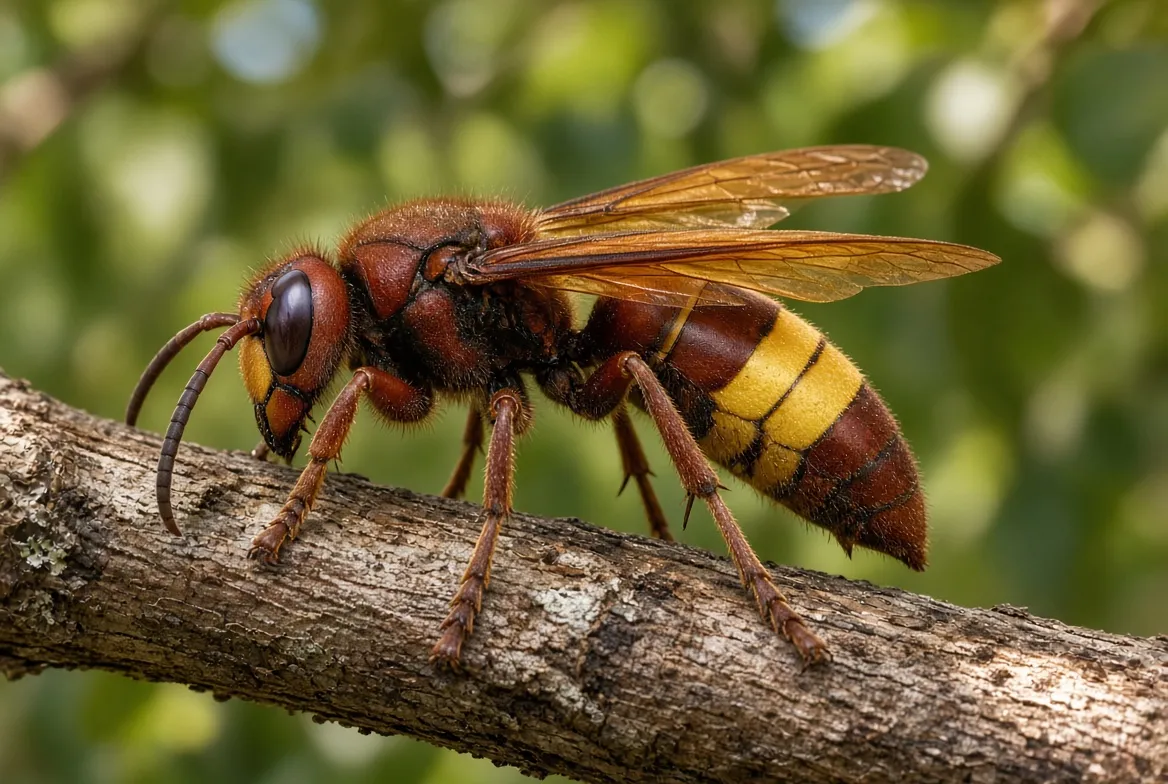
In Tangier, Morocco, sightings of the oriental hornet (Vespa orientalis) have evolved from isolated incidents to a dense presence, sparking scientific concern. Recent field observations by the Environment and Historical Heritage Protection Observatory have confirmed a notable increase in the number of hornet queens. This development is particularly significant, as the appearance of fertilized queens suggests the potential establishment of new colonies.
The observatory's team conducted site visits to various parks, public spaces, and educational institutions, revealing a substantial presence of oriental hornets in areas frequented by citizens, especially children and students. The presence of queens was also observed, although pinpointing the exact locations of some nests proved challenging. This has led to calls for a more in-depth scientific assessment before determining the necessary interventions.
The oriental hornet's biological cycle poses a significant threat, as fertilized queens that survive the winter can establish new colonies with hundreds of individuals in the spring, potentially growing to several thousand in favorable conditions. The period between March and April 2027 is crucial for early monitoring, considering climate variations that may affect the timing of queen appearances and nest construction.
The observatory emphasizes that the current situation warrants a serious and proactive approach, rather than alarmist reactions. A scientific and anticipatory strategy, based on monitoring, evaluation, and targeted intervention, is required. To this end, the observatory has called for the establishment of a local, multidisciplinary committee comprising experts in entomology, environment, and public health, as well as representatives from relevant institutions and sectors.
The proposed committee would be tasked with conducting a comprehensive field diagnosis to determine the scope and density of the hornet population, as well as identifying nest locations, prioritizing areas such as educational institutions, parks, public spaces, residential areas, and beekeepers. The committee would also develop a scientific program for monitoring and control, including tracking fertilized queens and safely intervening in nests.
Furthermore, the committee would be responsible for creating a plan for monitoring and prevention ahead of the 2027 spring season, with regular evaluations of the effectiveness of interventions. The observatory stresses the importance of adopting a proactive approach, given the potential consequences of inaction, and advocates for a coordinated effort to address the issue.
The situation in Tangier highlights the need for a collaborative and science-driven approach to managing the oriental hornet population. With the right strategies in place, it is possible to mitigate the risks associated with the hornet's presence and protect both public health and the environment.
Key points
- The oriental hornet queen sightings in Tangier have increased significantly, prompting concerns about the potential establishment of new colonies.
- A local, multidisciplinary committee has been proposed to address the issue, including experts in entomology, environment, and public health.
- The committee would develop a scientific program for monitoring and control, as well as a plan for prevention ahead of the 2027 spring season.