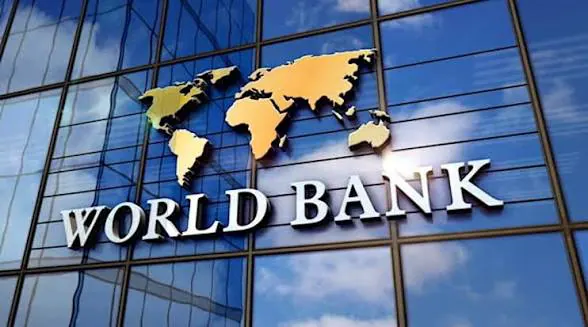
The World Bank has expressed concerns that rising fuel prices may undermine Nigeria's poverty reduction efforts, despite a projected economic growth and decline in inflation in 2026. According to the World Bank's Africa Economic Update, Nigeria's economy is expected to grow from 4.0 per cent in 2025 to 4.3 per cent in 2026. The report also forecasts a moderate decline in headline inflation from 23.0 per cent in 2025 to 15.7 per cent in 2026.
Despite the positive economic outlook, the World Bank warns that higher energy prices, linked to conflicts in the Middle East, could disproportionately affect low-income households. These households spend a larger share of their income on transportation and essential goods, making them more vulnerable to price shocks. The report also notes that food inflation is expected to remain elevated, reaching 20.3 per cent around mid-year.
The World Bank projects Nigeria's poverty rate to stand at 63 per cent in 2026, before gradually declining to about 58 per cent by 2028. However, the report cautions that the projected rise in international oil prices could strengthen Nigeria's external position, with the current account surplus expected to increase from 4.8 per cent of GDP in 2025 to 6.0 per cent in 2026.
The World Bank also identifies increased government spending ahead of the 2027 general elections as a potential risk to the continuation of fiscal reforms. The report notes that Nigeria largely relies on market forces to determine energy prices, unlike some regional countries that have introduced direct measures to shield consumers from external energy price shocks.
According to the World Bank's report, Nigeria's economy is expected to average 4.4 per cent growth in 2027 and 2028. The report also highlights the importance of fiscal reforms in Nigeria's economic growth and poverty reduction efforts. The World Bank's assessment is based on its latest Africa Economic Update report.
The World Bank's warning comes as Nigeria's economy continues to face challenges, including high inflation and poverty rates. The report emphasizes the need for the government to implement policies that protect low-income households from the impact of rising fuel prices. The World Bank's assessment is based on its analysis of Nigeria's economic trends and forecasts.
Faisat Musekir reported on October 7, 2026, that the World Bank's warning is a timely reminder of the challenges facing Nigeria's economy. The report's findings highlight the need for the government to prioritize poverty reduction and implement policies that support low-income households. The World Bank's Africa Economic Update report provides a comprehensive analysis of Nigeria's economic trends and forecasts.
Key points
- High fuel prices may slow Nigeria's poverty reduction efforts despite economic growth and falling inflation in 2026.
- Nigeria's poverty rate is projected to stand at 63 per cent in 2026 before gradually declining to about 58 per cent by 2028.
- The World Bank identifies increased government spending ahead of the 2027 general elections as a potential risk to the continuation of fiscal reforms.