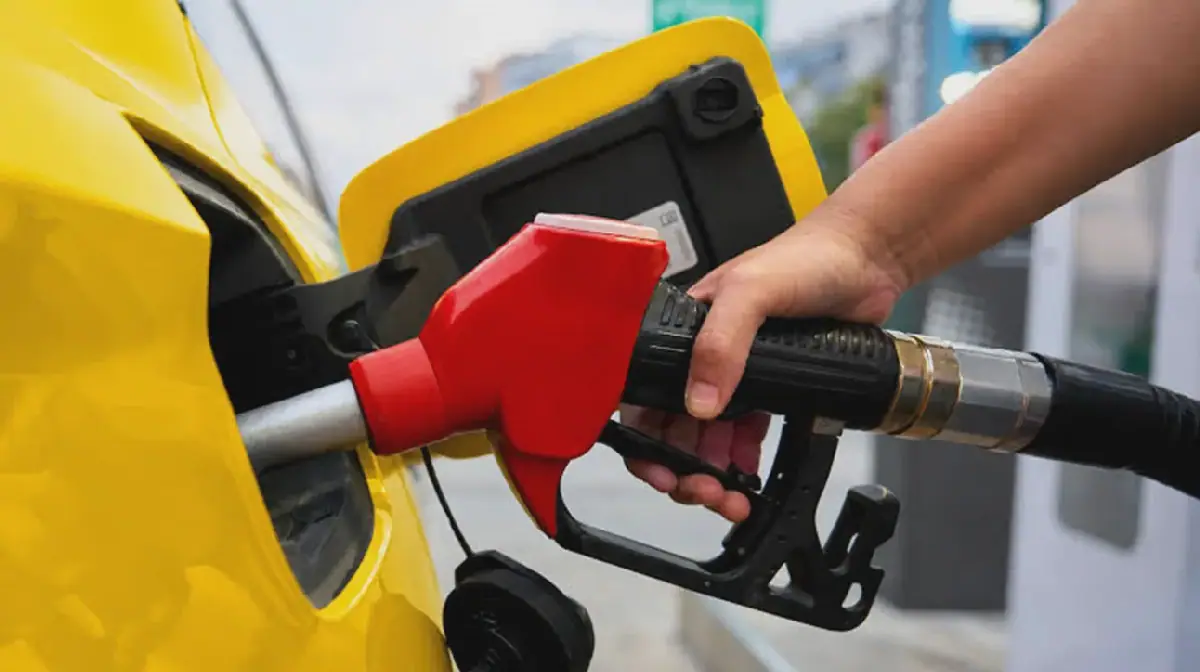
The surge in fuel costs and supply challenges in Benin is putting pressure on the country's agricultural sector, particularly during the harvest season. With fuel being a crucial expense for producers, traders, and transporters, any disruptions to its supply can significantly impact operations. Ezéchiel ZINDJO, an agricultural entrepreneur, recently experienced this firsthand when a banana shipment to a Cotonou company was delayed by two days due to a lack of fuel nearby.
The delay resulted in additional expenses and forced ZINDJO to reassess his transportation costs. This challenge aligns with concerns raised by FEWS NET in its October 2026 report on Benin's food security. The organization noted that rising fuel and transportation costs are driving up prices of goods and services, while also highlighting supply difficulties in certain rural areas. As fuel becomes scarce, the entire food supply chain is affected, from farm equipment to transportation.
Fuel plays a vital role in various stages of production and marketing, including powering equipment for threshing and winnowing, as well as collecting harvests. Delays can compromise the sale of perishable products. According to a January 2025 report by the World Bank, "Improving Transport Connectivity for Food Security in Africa: Strengthening Supply Chains," inefficient transportation increases the final cost of goods by 30%. The bank also estimates that 37% of perishable goods are lost during transportation before reaching consumers.
These statistics highlight the significant impact of logistical constraints on the food supply chain. As costs rise, prices may increase, and low-income households may have to allocate a larger portion of their income to food. Access to affordable fuel is crucial for agricultural stakeholders, markets, and purchasing power. With the harvest season underway, the effects of fuel shortages and high costs are being closely monitored.
The World Bank's findings emphasize the need for improved transport connectivity to address food security challenges in Africa. In a presentation on May 20, 2025, the bank noted that enhancing transportation infrastructure and logistics can help reduce costs and increase efficiency. This, in turn, can lead to lower prices and increased access to food for vulnerable populations.
The current situation in Benin highlights the vulnerability of the country's food supply chain to external factors such as fuel price fluctuations. To mitigate these effects, stakeholders are calling for urgent solutions to address the fuel supply challenges and ensure the smooth transportation of goods. This may involve exploring alternative energy sources or investing in infrastructure to improve transportation efficiency.
The impact of rising fuel costs on Benin's food supply chain is a pressing concern that requires immediate attention from policymakers and stakeholders. With the country's economy heavily reliant on agriculture, any disruptions to the food supply chain can have far-reaching consequences for the nation's food security and economic stability.
Key points
- Rising fuel costs are driving up prices of goods and services in Benin.
- The country's food supply chain is heavily reliant on fuel, making it vulnerable to disruptions.
- Improved transport connectivity and logistics are crucial to addressing food security challenges in Africa.