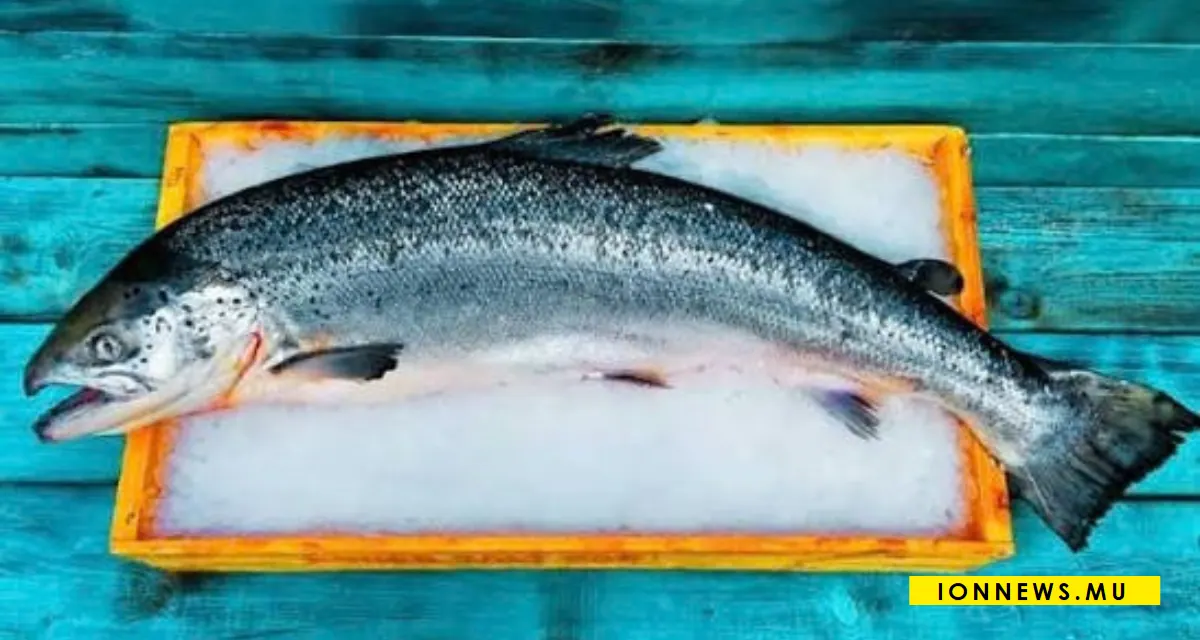
The medical community widely recommends salmon as a nutritious food, rich in omega-3 fatty acids that help regulate blood pressure, reduce bad cholesterol, and protect the heart. In Mauritius, where cardiovascular diseases and diabetes are prevalent, consuming salmon is seen as a preventive measure. However, the high cost of fresh salmon on the local market is deterring many from incorporating it into their diet.
The current market price of fresh Norwegian salmon fillet is Rs 398.75 for 250 grams, which translates to approximately Rs 1,600 per kilogram. This makes salmon more expensive than other local delicacies such as filet de vieille grise and large fresh prawns. For an average Mauritian family, serving salmon at a dinner for four people would cost at least Rs 800 to Rs 1,000, just for the fish.
The high cost of salmon is attributed to the strict logistics required for transporting a highly perishable product. Most salmon in Mauritius comes from Northern Europe and can only be transported by air freight under continuous cold chain, making it subject to import taxes, fuel price hikes, and currency fluctuations.
The significant disparity between the nutritional value of salmon and its affordability for the general population has raised concerns. However, local medical professionals and nutritionists point out that fresh salmon does not have a monopoly on omega-3 fatty acids. Alternative sources of omega-3, such as green tuna, maki, and canned sardines and mackerel, are available at a lower cost.
These alternatives are not only cheaper but also offer similar health benefits. For instance, canned sardines and mackerel cost up to five times less than fresh salmon per kilogram. This makes them a more accessible option for those looking to incorporate omega-3 rich foods into their diet without breaking the bank.
While fresh salmon may be a luxury reserved for special occasions, maintaining cardiovascular health is still within reach for those who opt for locally available and affordable alternatives. The medical community encourages people to explore these options to reap the health benefits of omega-3 fatty acids.
By choosing locally sourced fish and other omega-3 rich foods, Mauritians can make informed decisions about their diet and health without straining their finances. This approach can help bridge the gap between the recommended nutritional intake and the actual affordability of healthy food options in Mauritius.
Key points
- Fresh salmon costs Rs 1,600 per kilogram in Mauritius, making it unaffordable for many families.
- Alternative sources of omega-3 fatty acids, such as canned sardines and mackerel, are available at a lower cost.
- Local medical professionals encourage people to opt for affordable and locally available alternatives to maintain cardiovascular health.