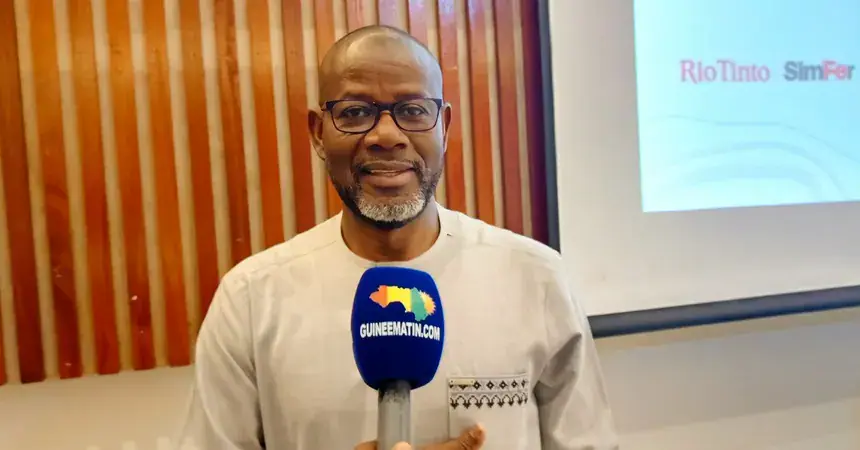
Rio Tinto SimFer recently organized a workshop with Guinean media to improve understanding of its operations on the Simandou project, a major mining and infrastructure development in southeastern Guinea. The workshop, held on October 27, 2026, in Conakry, brought together Guinean journalists and senior officials from the project's technical and operational teams. The event aimed to provide a platform for direct dialogue, enabling media professionals to grasp the complexities of the project, including mining, rail, and port infrastructure, local skills development, environmental protection, and community relations.
The Simandou project is one of Africa's largest mining and infrastructure investments, involving the exploitation of high-grade iron ore deposits with an average iron concentration of 65%. The project entails the construction of two mines, a railway network, and port infrastructure to transport the ore to international markets. With the project's infrastructure development nearing completion, Rio Tinto SimFer is focusing on enhancing communication and transparency around its operations. The workshop included thematic presentations and open discussions, allowing participants to deepen their knowledge and interact with departmental heads.
Aboubacar Koulibaly, Director of Rio Tinto Guinea and Deputy Managing Director of Rio Tinto SimFer, expressed satisfaction with the quality of discussions during the workshop. He emphasized the importance of dialogue with media, particularly at this strategic stage of the project, as it transitions from infrastructure construction to operationalization. Koulibaly highlighted his role in defending Rio Tinto's interests within SimFer while ensuring the company's activities align with the Guinean government's development vision.
The workshop marked a significant step in Rio Tinto SimFer's efforts to engage with media and stakeholders. Koulibaly announced that discussions would continue on the project site, where journalists would have the opportunity to witness firsthand the installations and interact with on-site teams. This engagement aims to contribute to a more balanced public debate on the project's economic and social impacts, which are expected to be substantial.
The port infrastructure, a critical component of the project, has reached 92% completion, according to technical teams. The port's commissioning is underway, with the first transshipment vessel, Untanara, already arrived. The permanent infrastructure of the port's second phase is complete, and the project is nearing its operational phase. This progress underscores the significance of the Simandou project for Guinea's economy and its potential to create jobs and stimulate development.
The Simandou project's development has significant implications for Guinea's economic growth and social development. With its high-grade iron ore deposits, the project is poised to generate substantial revenue and create employment opportunities for local communities. Rio Tinto SimFer's commitment to transparency and dialogue reflects its recognition of the project's importance and its potential impact on stakeholders.
As the Simandou project approaches its operational phase, Rio Tinto SimFer's efforts to engage with media and stakeholders will continue. The company's focus on transparency and communication aims to ensure that the project's benefits are shared equitably among all stakeholders, while minimizing its environmental and social impacts. The project's success will depend on effective collaboration among all parties involved.
Key points
- Rio Tinto SimFer holds a workshop with Guinean media to enhance understanding of its operations on the Simandou project.
- The Simandou project involves the exploitation of high-grade iron ore deposits and the construction of major infrastructure, including mines, railways, and ports.
- The project's development has significant implications for Guinea's economic growth, job creation, and social development.