Rio Tinto and Simfer are undertaking significant efforts to conserve and restore plant biodiversity in the Simandou region of Guinea. The initiative, part of the Simandou iron ore project, focuses on preserving threatened plant species and reconstituting natural ecosystems. A key component of this effort is a nursery established in Canga, where teams work to multiply indigenous plant species, some of which are rare or endemic.
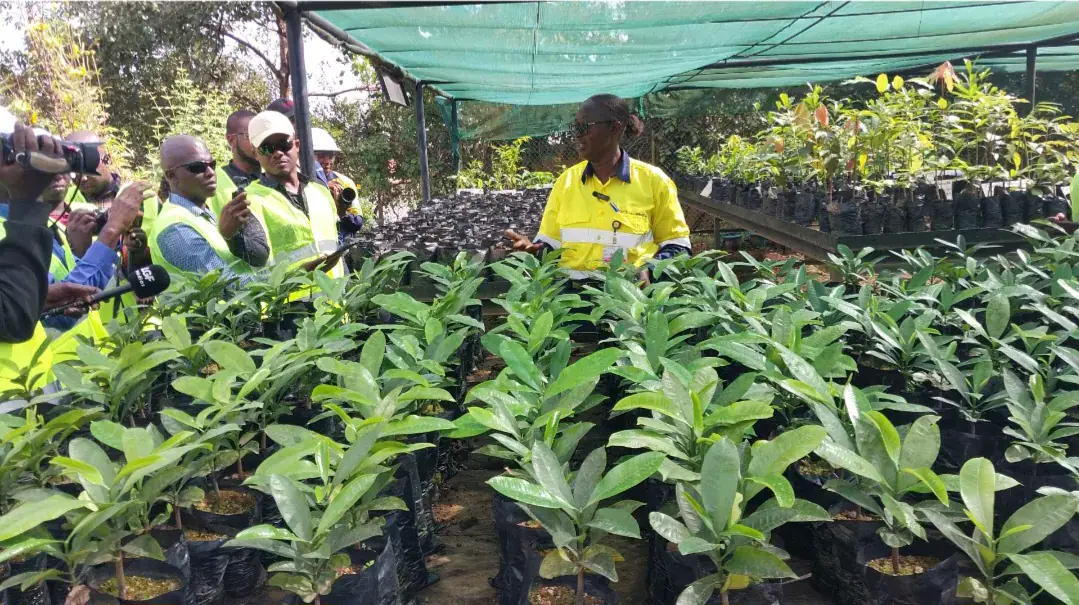
The Canga nursery plays a crucial role in the conservation and multiplication of plant species found in the Simandou region. According to Denise Molmou, a flora specialist at Rio Tinto and the nursery manager, the work primarily involves native and indigenous species, with no exotic species introduced. The goal is to master the techniques for multiplying these plants, many of which have socio-economic importance for local communities.
The nursery currently houses 8,000 plants representing 27 species, with a focus on species of particular conservation concern. Some of these plants, such as the Erythroxylum, are endemic to Simandou and have been identified as being unique to the region. The Erythroxylum, discovered in 2012, presents a significant conservation challenge due to its limited seed production and specific ecological requirements.
Rio Tinto has been collaborating with Kew Gardens, an international institution specializing in botanical research and plant biodiversity conservation, since 2005. This partnership has led to the identification of 1,400 plant species in the Simandou area, with 42 considered to be of conservation concern. The collaboration involves detailed documentation and research to support the conservation of these species.
The conservation strategy includes the creation of phenological tables to track the development stages of each species, such as flowering and fruiting. This data informs the collection of seeds and organization of their conservation. Seeds collected are subject to specific treatments to ensure their viability and are tested for germination every six months.
Seeds are conserved in Guinea and internationally, with a strategy to distribute them across multiple institutions and experimental sites. This approach aims to ensure the long-term conservation of these plant species and explore their potential for introduction into other natural habitats.
The ultimate goal of these efforts is to contribute to the preservation of plant species and the restoration of ecosystems in the Simandou region. By working to understand and implement effective conservation and multiplication techniques for these species, Rio Tinto and Simfer aim to mitigate the impact of the iron ore project on local biodiversity.
Key points
- Rio Tinto and Simfer are actively engaged in conserving and restoring plant biodiversity in Guinea's Simandou region through a nursery and research initiatives.
- The conservation efforts focus on preserving threatened and endemic plant species, with collaboration from international institutions like Kew Gardens.
- The project aims to reconstitute natural ecosystems and ensure the long-term viability of plant species in the region.