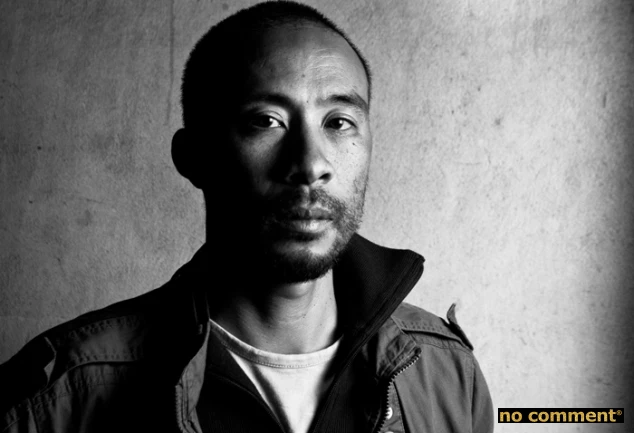
Franco-Malagasy photographer Rijasolo has been awarded the prestigious World Press Photo in the 'Africa, long-term projects' category for his project 'The Zebu War'. This recognition is a testament to his dedication to capturing the essence of the zebu trade in Madagascar. With a career spanning nearly 20 years, Rijasolo's work is characterized by a humanist approach, focusing on the dignity of his subjects. His project 'The Zebu War' is a culmination of almost eight years of documentation, showcasing the complexities of the zebu trade in the southern and western regions of Madagascar.
Rijasolo's journey into the world of photography began when he stumbled upon the zebu trade story in 2010. Initially, zebu theft was a traditional practice among certain communities, but by 2012, it had escalated into a full-blown trade. The situation drew international attention when Amnesty International reported that military personnel were executing individuals suspected of being dahalo, or zebu thieves. This sparked Rijasolo's interest in documenting the story, and he began working on 'The Zebu War' project. He faced numerous challenges, including negotiating with local communities and ensuring his safety while photographing in areas considered hostile.
To gain the trust of the dahalo community, Rijasolo worked with Louis Kasay, a local notable and descendant of the Sakalava kings. Kasay's involvement facilitated a pact of non-aggression, allowing Rijasolo to photograph the dahalo without fear of reprisal. The photographer's approach was not to sensationalize the story but to humanize those involved. He spent time with the communities, taking photographs that would showcase their daily lives and struggles. One notable photograph features dahalo sitting under a tamarind tree, armed and relaxed, which Rijasolo captured during a visit to a village.
Rijasolo's affinity for the southern region of Madagascar is evident in his work. He visits the area at least twice a year, using these opportunities to gather material for his project. The region's unique culture and traditions have captivated him, and he continues to explore its complexities through his photography. For Rijasolo, the story of the zebu trade is not yet complete, as the issue remains relevant today. However, he feels that he has made significant progress in telling the story and shedding light on the complexities of the trade.
The World Press Photo award is a significant milestone in Rijasolo's career, validating his dedication to storytelling through photography. According to the jury, his work presents an epic side, with a romantic aesthetic that gives dignity to those photographed. Rijasolo's humanist approach has been consistent throughout his career, and this recognition serves as a testament to his unique perspective. His project 'The Zebu War' will be exhibited worldwide, further amplifying the story and its message.
Rijasolo's work extends beyond 'The Zebu War' project. He has collaborated with other photographers and media outlets, including Emre Sari and Geo Magazine. His photographs have been published in various media outlets, showcasing his versatility and range as a photographer. Through his work, Rijasolo aims to raise awareness about social and cultural issues in Madagascar, using his camera as a tool for storytelling and advocacy.
As Rijasolo continues to work on new projects, his experience with 'The Zebu War' serves as a foundation for his future endeavors. His commitment to documenting the complexities of Malagasy society and culture is unwavering, and his photographs remain a testament to his passion for storytelling. With the World Press Photo award, Rijasolo's work has gained international recognition, and his unique perspective will undoubtedly continue to inspire and educate audiences worldwide.
Key points
- Rijasolo's project 'The Zebu War' showcases the complexities of the zebu trade in Madagascar.
- The photographer used a humanist approach to capture the dignity of his subjects.
- The World Press Photo award validates Rijasolo's dedication to storytelling through photography.