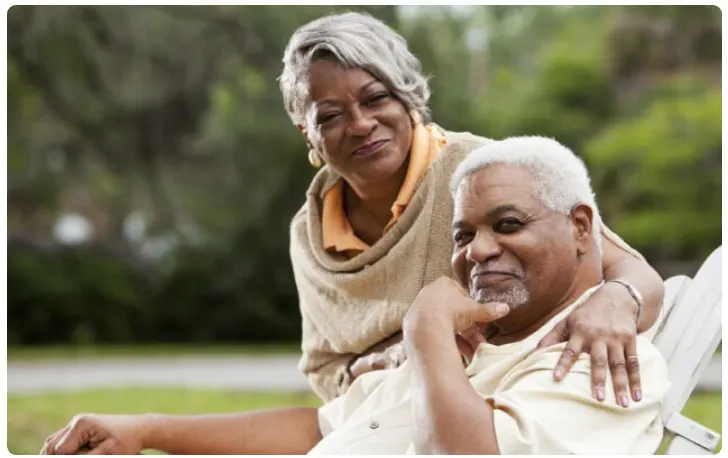
Older persons worldwide face significant barriers to healthcare, social protection, and justice, undermining their fundamental rights. Human rights advocates are calling for stronger international protections to ensure that growing older does not mean losing dignity, equality, or security. The issue is gaining attention as the global population ages. Despite progress in some areas, older persons continue to face ageism, discrimination, poverty, and exclusion.
According to Shobha Shukla, Executive Director of CNS and coordinator of the SHE & Rights initiative, the statistics on older persons' rights are stark. Since 2008, only 681 of over 124,539 recommendations have addressed older persons' rights, representing approximately 0.5 per cent of the total. This exposes a troubling gap between global human rights commitments and attention given to older people. The needs of older persons remain inadequately represented in official statistics, policy decisions, and international monitoring mechanisms.
The demand for dedicated legal protection for older persons dates back decades. In 1948, Argentina proposed a "Declaration of Old Age Rights" during the drafting of the Universal Declaration of Human Rights. Nearly eight decades later, the UN Human Rights Council has established an Inter-Governmental Working Group mandated to draft a legally binding treaty addressing ageism and the realities of older persons worldwide. This treaty aims to clarify government obligations, close protection gaps, and strengthen accountability.
Existing human rights frameworks have failed to make older persons sufficiently visible in data, statistics, and accountability mechanisms. Khaled Hassine, Secretary of the IGWG at the Office of the United Nations High Commissioner for Human Rights, explained that age discrimination and ageism remain poorly recognised and weakly constrained. Ageing cannot be reduced to chronological years; social, economic, and personal circumstances shape people's experiences throughout their lives.
The exclusion of older persons is particularly pronounced among older women, persons with disabilities, people living with HIV, Indigenous peoples, gender-diverse people, and other marginalised communities. Shukla warned that systemic barriers, prejudice, and patriarchy could reinforce their exclusion from policy discussions and protection frameworks. Rose Gahire, Co-Chair of the Global Alliance for the Rights of Older People, stressed that stronger protections must address discrimination affecting older persons' independence, employment, and participation in policymaking.
Healthcare and social protection remain major concerns for older persons. The experiences of older people living with HIV demonstrate the shortcomings of existing protection systems. Despite advances in treatment, many still encounter stigma, breaches of confidentiality, fragmented care, and inadequate social protection. Advocates are calling for people living with HIV to help shape policies, assess services, and monitor government commitments.
A future treaty on older persons' rights must recognise them as active rights holders, address intersecting forms of discrimination, and strengthen accountability for access to healthcare, social protection, and justice. As Gahire declared, "Human rights do not diminish with age. Dignity has no expiry date." The challenge is to turn international commitments into effective protection and ensure that older persons can exercise their rights with dignity and security.
Key points
- Only 681 of over 124,539 recommendations have addressed older persons' rights since 2008.
- Existing human rights frameworks have failed to make older persons sufficiently visible in data, statistics, and accountability mechanisms.
- A dedicated legal framework could help clarify government obligations, close protection gaps, and strengthen accountability for ensuring that older persons can exercise their rights.