Rhodes University's leadership and the Student Representative Council (SRC) engaged in what the university described as a "constructive and productive" meeting on October 5. The discussions centered on the concerns raised in the SRC's Memorandum regarding the proposed 2027 Protocol on Payment of Student Fees. The university stated that significant breakthroughs were achieved as both parties worked towards sustainable solutions that balance student needs with the university's financial stability.
The meeting was a follow-up to a previous consultation that had reached a point of "convergence" between the university management and the SRC. According to Olwetu Gwanya, the university spokesperson, some of the issues raised by students are being considered, and the Office of the Chief Financial Officer is reviewing and modeling some of the recommendations. The university's Executive has committed to revising the 2027 Protocol to clearly identify matters that require consideration and approval by the University Council.
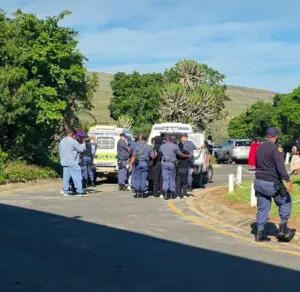
The talks followed a protest on October 2, where police used stun grenades and rubber bullets to disperse a group of students who had gathered at the 1820 Settlers' National Monument. The demonstration was in response to the university's proposed fee payment protocol, which students claim would have a significant impact on those carrying historical debt. Thirteen students were arrested but later released after a group of Makhanda residents raised funds to bail them out.
The protest seemed to have surprised university management, as it did not align with the discussions held on October 1. Gwanya stated that she arrived at the graduation venue to find a group of students gathered, singing, and that the interim interdict was already in effect, covering protest action affecting the graduation proceedings. Police officers warned students to disperse and read the interim court order before taking action.
The SRC distanced itself from organizing the October 2 gathering, describing it as a "silent protest" organized by "an unidentified group of students." The SRC reminded students that the interim interdict remained legally binding and appealed to the police to consider students' vulnerability when enforcing the order. The student body also emphasized that violence is never the answer.
Vice-Chancellor Professor Sizwe Mabizela stated that the university has always been prepared to engage with the SRC and student body to understand concerns and identify practical solutions. He expressed that had the engagement between the SRC and the University Executive Leadership been afforded an opportunity, much of what subsequently unfolded could have been avoided.
A follow-up meeting between the leadership and the SRC will be scheduled to refine the proposal and properly integrate the feedback. The Vice-Chancellor has also undertaken to impress upon the Chair of Council the urgency of the matter and the need for the revised submission to be considered as expeditiously as possible.
Key points
- The university's leadership and SRC are working towards sustainable solutions to address student concerns regarding the proposed 2027 Protocol on Payment of Student Fees.