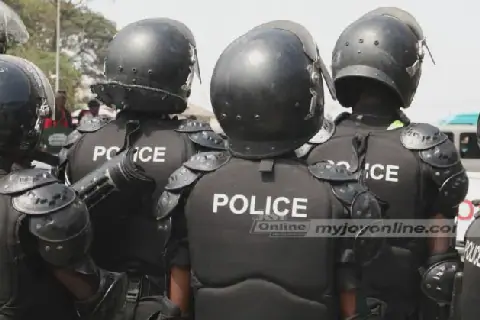
A dispute over Rhodes University's 2027 fee-payment protocol has escalated into a fight over police conduct and legal costs after 13 students were arrested during protests. The students, who were protesting against the university's new fee arrangements, were arrested at the 1820 Settlers National Monument on Friday. The charges were later dropped when the students appeared in the Makhanda Magistrate's Court on Monday.
The dismissed charges have sparked calls for accountability from Not In My Name International, which is demanding that the South African Police Service (SAPS) cover the students' legal costs. The organisation's president, Themba Masango, said the R90 000 bill should not become the responsibility of students who had been exercising their right to protest. Masango stated that the arrests were illegal and that footage showed students sitting peacefully at the monument.
Masango questioned the police's use of force during the protest, alleging that students were subjected to tear gas and rubber bullets. He also alleged that some students who were not participating in the protest were arrested after running when they saw other students fleeing. Masango called for an investigation into the conduct of every police officer involved and for authorities to establish who ordered the use of force.
The dispute has highlighted a problem familiar to students across the country, on how completing a degree can depend not only on academic performance but also on whether a student can settle debt accumulated in previous years. The issue is particularly significant for students from working-class households who may not have the financial resources to clear historical balances in a single payment.
The Rhodes University dispute comes at a time when thousands of prospective students are again applying for government funding. Applications for the 2027 National Student Financial Aid Scheme cycle opened on 18 September and are scheduled to close on 31 October. Within the first four days, more than 51 000 applications had been received.
The conflict at Rhodes University also demonstrates how quickly a financial dispute can become a broader question about student rights and the limits of protest. The EFF Youth Command has also entered the debate, expressing solidarity with Rhodes University students and arguing that the fee dispute must be understood in the context of the country's wider economic inequality.
The disagreement raises a difficult question for universities. Institutions need money to operate, maintain infrastructure, pay staff and provide teaching and support services. But students who cannot afford their fees can also be prevented from accessing the very education that is meant to improve their economic prospects.
Key points
- The dispute over Rhodes University's 2027 fee-payment protocol has sparked a wider conversation about student rights and the limits of protest.
- The police's use of force during the protest has been questioned, with allegations of tear gas and rubber bullets being used.
- The issue of university debt has highlighted the challenges faced by students from working-class households in accessing higher education.