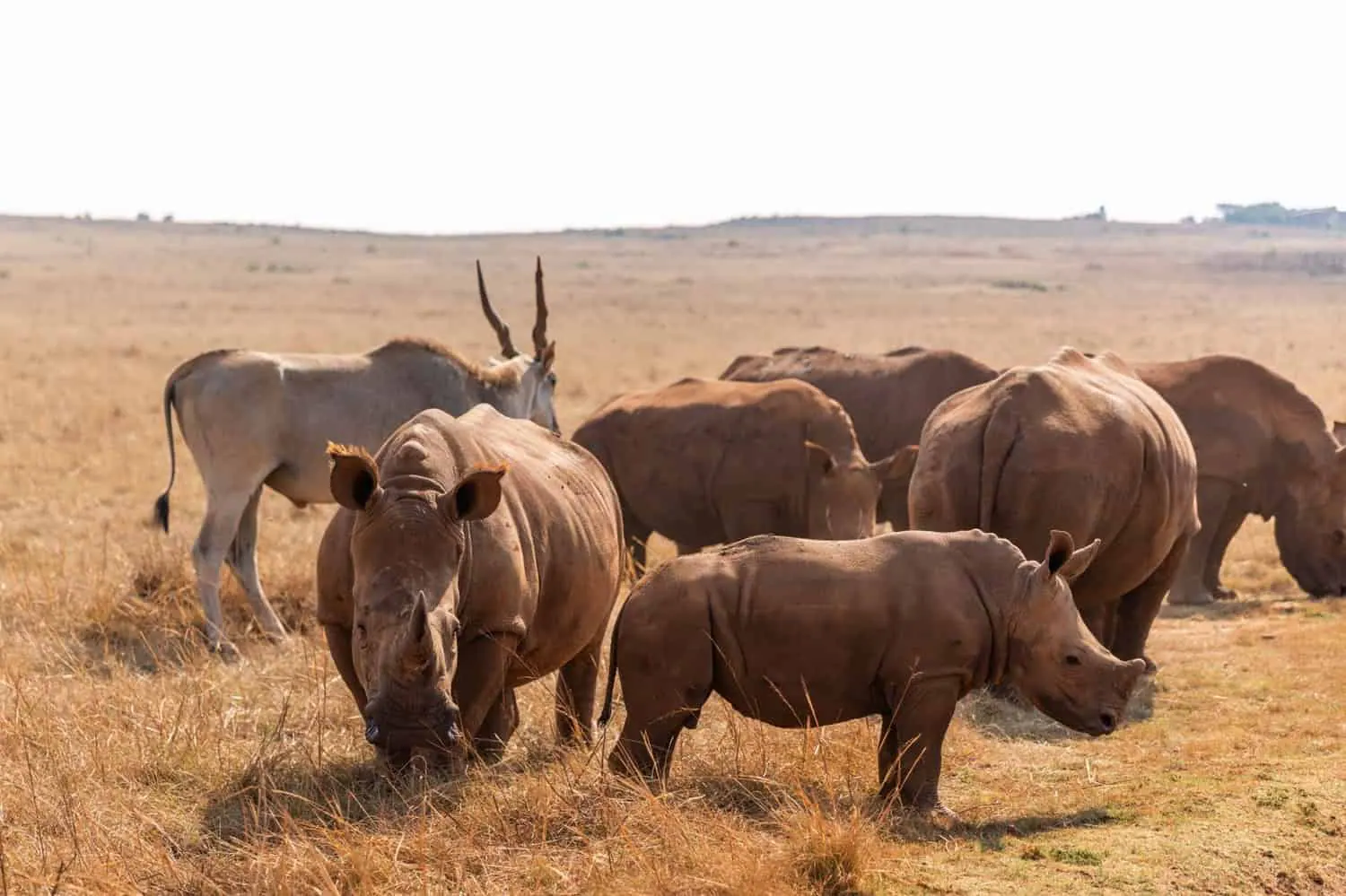
The Bothongo Rhino & Lion Nature Reserve in South Africa's Cradle of Humankind is using World Rhino Day to dispel common myths about rhinos. Misinformation about these iconic animals continues to contribute to the threats they face. The reserve is calling on the public to separate fact from fiction. World Rhino Day, marked annually on September 22, celebrates all five rhino species while raising awareness about the threats facing them.
One common myth is that rhino horn has medicinal properties. However, rhino horn is made almost entirely of keratin, the same protein found in human hair and fingernails. There is no proven medicinal value to rhino horn, despite claims that it can treat conditions such as fever, cancer, and hangovers or act as an aphrodisiac. The International Union for Conservation of Nature has identified beliefs about the medicinal properties of rhino horn as a driver of demand and poaching.
Another myth surrounds the names of white and black rhinos. Both African rhino species are essentially grey. The name "white rhino" is attributed to a misinterpretation of the Afrikaans word "wyd", meaning wide, referring to the animal's broad, square lip. Black rhinos are believed to have acquired their name from the dark mud in which they often wallow. This misinformation can have serious consequences, particularly when it fuels demand for the illegal wildlife trade.
Rhino horn and elephant ivory are often confused, but they are completely different. Elephant tusks are modified teeth made from dentine, while a rhino's horn is a compacted mass of keratin that grows from the skin and is not attached to the skull bone. Additionally, rhinos are not inherently aggressive, despite their size. They can be defensive when threatened, particularly mothers protecting calves, but many charges are bluff charges.
Rhinos also have relatively poor eyesight and rely heavily on their sense of smell and hearing. This can result in them investigating unfamiliar sounds or smells at close range. Dehorning, often considered as a solution to prevent poaching, is not a complete solution. While it can reduce the value of a rhino to poachers, some poachers may still kill dehorned rhinos, making strong security, community involvement, and efforts to reduce demand essential.
The Bothongo Rhino & Lion Nature Reserve, home to white rhinos roaming across more than 1,200 hectares, is encouraging visitors to learn more about rhinos while supporting conservation and anti-poaching efforts. Education remains one of the most important tools in protecting rhinos and challenging the myths that continue to put them at risk. The IUCN reported in 2025 that African rhino poaching had fallen to its lowest rate since 2011.
However, the IUCN also warned that population gains can still be rapidly reversed. The reserve's efforts to educate the public about rhinos and the threats they face are crucial in the fight against extinction. By dispelling common myths and promoting conservation, the reserve aims to protect these iconic animals for future generations.
Key points
- Misinformation about rhino horn's medicinal properties drives demand and poaching.
- Rhino horn and elephant ivory are distinct and should not be confused.
- Dehorning is not a complete solution to prevent rhino poaching.