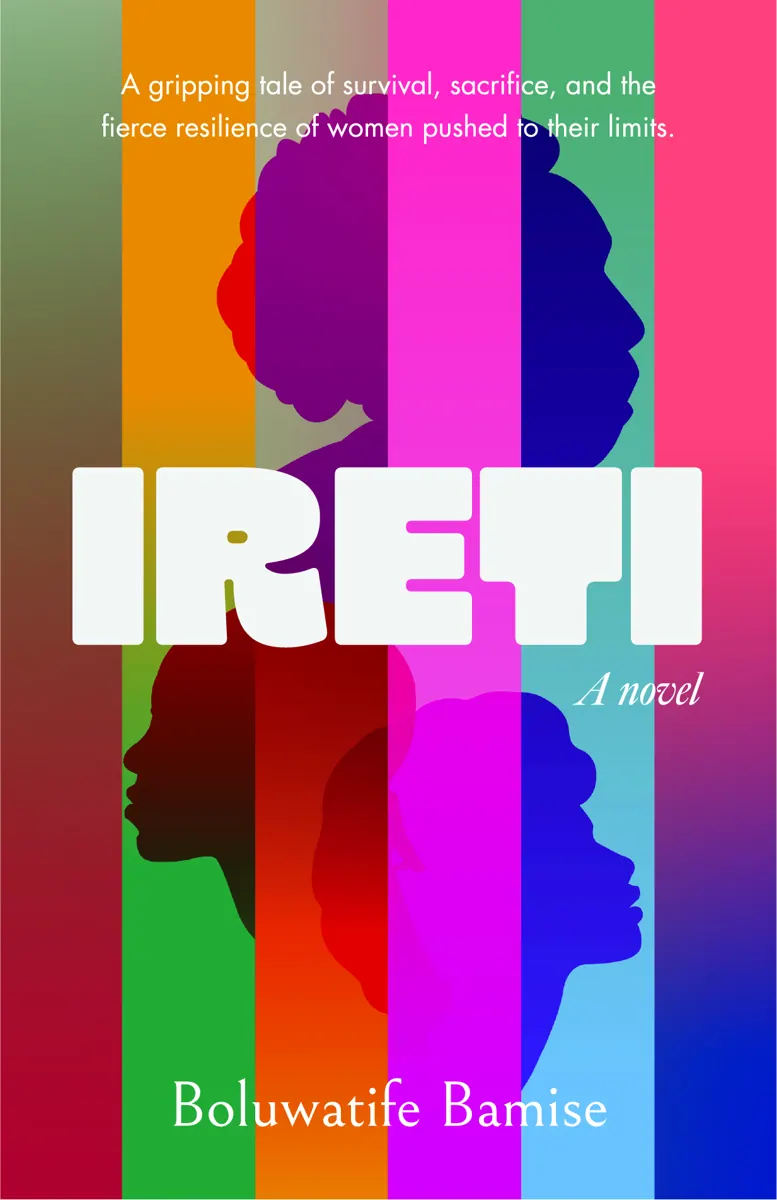
Nigerian author Boluwatife Bamise has released a novel titled "Ireti", which translates to "hope" in Yoruba. The title is fitting, given the narrative's exploration of hope amidst turmoil. The novel's cover features troubled-looking women, setting the tone for a story that tackles difficult subjects. Bamise's work is a thought-provoking portrayal of the realities faced by some women and children.
The novel follows multiple female characters, each carrying their own burden and complicated history. Issues addressed in the story include infertility, domestic violence, poverty, and toxic relationships. The large cast allows for different experiences to be presented, but also creates a weakness, as the movement between characters and storylines can be confusing at times.
The story moves quickly from one character and problem to another, with Ibukun, Ireti, and Kike being among the more prominent characters. The focus eventually shifts more strongly towards Kike. Despite some characters being underdeveloped, they remain memorable due to the intensity of their experiences. Some inspire sympathy, while others provoke concern or frustration.
The novel presents different forms of abuse, from subtle to disturbing. Domestic violence, emotional abuse, and sexual abuse are all addressed. These uncomfortable subjects are not shied away from, instead forming an important part of the narrative's portrayal of reality. The story also moves beyond Nigeria to the United Kingdom, introducing a new direction and exploring the challenges of rebuilding lives.
One of the interesting developments in the novel is the gradual movement from endurance to self-preservation. Some women eventually become tired of simply surviving and begin making decisions for themselves. Their journeys show that difficult beginnings do not necessarily determine how their stories end. However, not every woman is given the opportunity to change her circumstances.
The title "Ireti" deserves attention, as it is initially assumed to refer to one of the characters. However, towards the end, this assumption is overturned, adding a significant twist to the story. The revelation changes the way the title can be understood, connecting it to the idea of hope that runs beneath the narrative's many painful experiences.
By the end of the novel, "Ireti" begins to mean more than just a name. The title becomes closely connected to the idea of hope that some women find the courage to pursue. While not all stories lead to happy endings, the novel presents hope as something that exists, but is not guaranteed to everyone.
Key points
- The novel explores themes of hope, endurance, and self-preservation through multiple storylines.
- The narrative tackles difficult subjects such as domestic violence and abuse.
- The title "Ireti" holds significant meaning, connecting to the idea of hope amidst turmoil.